
Native Contractors Challenge SBA on Delayed 8(a) Approvals
- May 10, 2026
- Posted by: Alex Reed
- Category: Related News
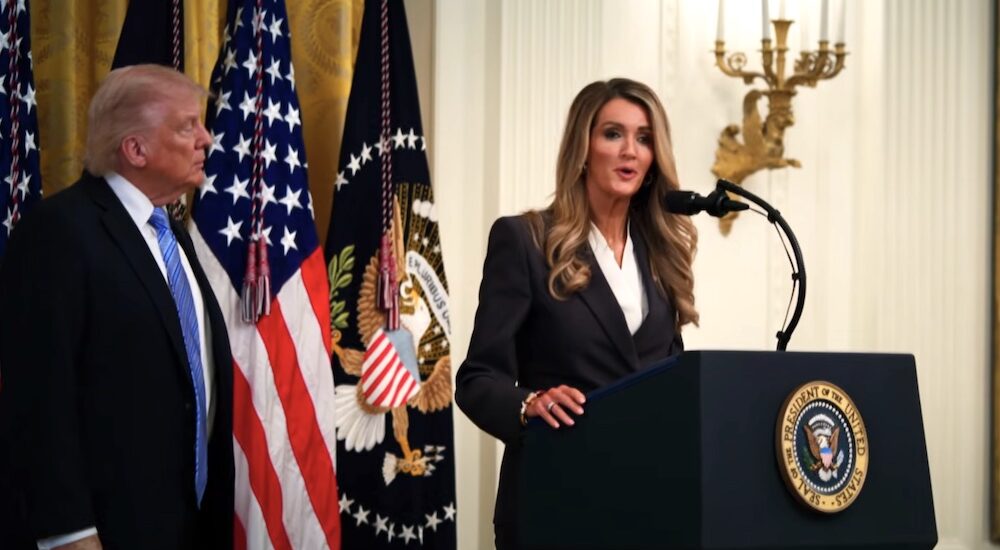
Native-owned businesses are facing significant hurdles with a key government program that helps them thrive. The delays in the U.S. Small Business Administration’s (SBA) 8(a) Business Development Program are impacting not just the companies themselves, but also the communities they support.
What’s Going Wrong with the 8(a) Program?
The Native American Contractors Association (NACA) has reached out to SBA Administrator Kelly Loeffler, voicing complaints about stalling applications for new Native-owned participants in the 8(a) program. According to a recent letter, the association mentions that approvals have seemingly halted since August 2025, leading to reviews that can extend over a year. Federal rules state that the SBA must confirm whether an application is complete within 15 days. Complete applications should be processed within 90 days.
These delays are more than just administrative issues; they have real economic impacts. Quinton Carroll, Executive Director of NACA, emphasized the urgency of the situation. He stated that these delays leave Native-owned small businesses and their communities “in limbo,” affecting their ability to plan for hiring and investment.
The Importance of the 8(a) Program
The 8(a) Business Development Program is more than a bureaucratic formality; it is critical to fostering opportunities for underserved businesses. For many Native-owned enterprises, the program is a significant source of revenue through federal contracts, which helps fund essential services like healthcare, education, and infrastructure in their communities.
Recent data shows that Native-owned firms received approximately $16.1 billion from a total of $26 billion in federal contracts awarded through this program in fiscal year 2024. This revenue stream is vital for sustaining the operations and services of tribal governments, further emphasizing the need for timely processing of applications.
With the SBA’s Office of Native American Affairs currently lacking permanent leadership, frustrations are mounting. Diane Cullo recently left her position as assistant administrator, and no plans are in place to fill the role. This gap in leadership raises concerns about how effectively the office can handle issues related to tribal business and contracting.
What Are the Consequences?
Delays in the 8(a) program can disrupt not just hiring but also workforce planning and investment decisions for Native-owned businesses. Many of these companies rely on federal contracts to support various services for their communities, including public safety and infrastructure projects. The longer companies have to wait for approvals, the greater the risk of losing out on business opportunities.
The discontent in the Native business community is likely to grow if prompt action is not taken. The SBA needs to address these concerns adequately to ensure that the process supports, rather than hinders, the communities it was meant to assist.
What this means for you
For Native-owned businesses, these delays can mean a significant loss in opportunities and revenue. If you’re a business owner navigating contract agreements, unexpected issues might arise during the approval process. If you ever need to review contract documents, legal-document-to-plain-english-translator/”>AI legalese decoder can translate them into plain English in seconds. This ensures you fully understand your rights and obligations in such agreements.
Need to decode legal language? Try the free AI Legalese Decoder — no registration required.

 ****** just grabbed a