
National Australia Bank Faces $503 Million Impairment From Mideast Tensions
- April 19, 2026
- Posted by: Alex Reed
- Category: Related News
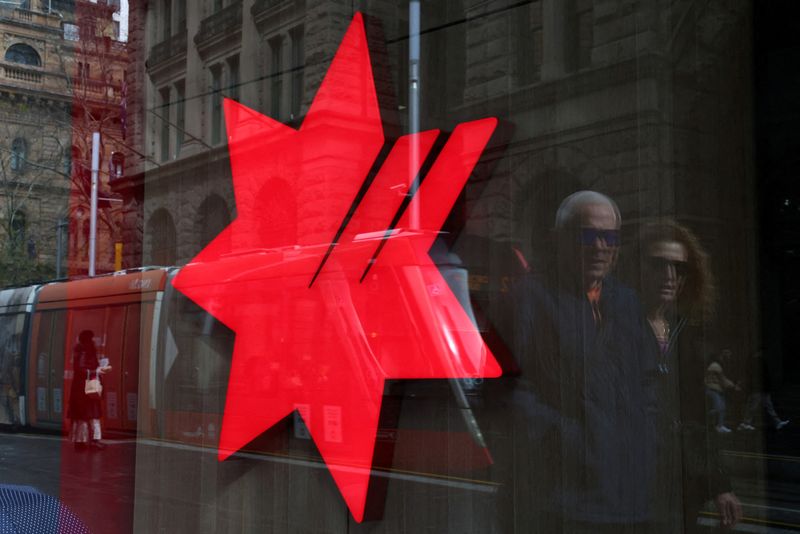
Australia’s largest business lender, the National Australia Bank (NAB), is sounding alarms about potential credit issues ahead. This isn’t just bank talk; it signals how broader global events, like the ongoing conflict in the Middle East, can affect ordinary people’s finances, jobs, and loans.
NAB’s Financial Forecast: What to Expect
The National Australia Bank has recently announced it expects to write off A$706 million ($503 million) in credit impairment charges this first half of the year. This estimate is a stark reminder that global tensions, particularly the war in Iran, are influencing the economy and financial markets. The bank believes that rising risks may lead to an increase in bad debts, affecting not only businesses but also consumers hoping to secure loans.
In early trading, NAB shares fell by as much as 3.8%, contributing to a slight decline in the broader S&P/ASX200 index. The financials sector saw a decrease of 0.67%, primarily driven by NAB’s declining share price. If you’ve been banking on low-interest rates or are thinking about securing a loan, these changes could impact your options.
Rising Provisions and Impact on Stability
NAB’s comprehensive strategy includes increasing its provisions by A$300 million, aiming to safeguard against future loan defaults, particularly in the transport and agriculture sectors. As fuel and diesel supplies tighten, prices are expected to remain high, which puts additional financial strain on these industries. The bank is also setting aside money for construction and commercial real estate borrowers, further signaling caution about the economic landscape.
This commitment to higher provisions could lead to a decrease in its common equity tier 1 capital ratio by about 20 basis points. Investors should be aware that these measures are likely to affect the bank’s profitability and overall financial health in the upcoming months.
Broader Economic Trends Affecting Consumers
In addition to NAB, Westpac, another major Australian lender, has also raised its credit impairment charges. They pinpoint higher inflation and sustained interest rates as contributing factors making it more difficult for some customers to manage their loans. These issues hint at a tighter economic environment, which could affect everyday consumers—especially those with mortgages or personal loans.
The first-half results for NAB will also include a significant amortization charge of A$949 million after tax due to revisions in its software capitalization policies. This additional financial strain underlines the challenges banks face, which may trickle down to you, the average consumer, when looking for loans or credit.
What this means for you
The situation at NAB gives an early glimpse into potential complications in accessing credit and managing loans. If you’re planning to apply for a mortgage or any loan, keep an eye on how these events might influence interest rates and terms. If you ever need to review loan agreements or similar documents, legal-document-to-plain-english-translator/”>AI legalese decoder can translate it into plain English in seconds.
Need to decode legal language? Try the free AI Legalese Decoder — no registration required.
Source: https://uk.finance.yahoo.com/news/national-australia-bank-flags-503-004852160.html

 ****** just grabbed a