
NASA’s July 3 Mission Aims to Save Swift Space Telescope from Doom
- July 3, 2026
- Posted by: Alex Reed
- Category: Related News
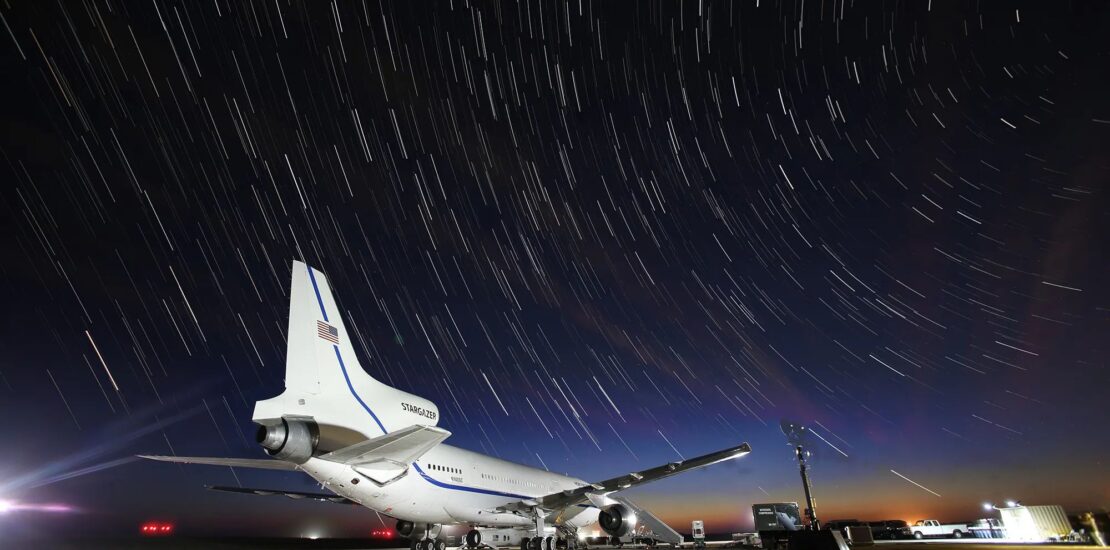
NASA has a bold plan to save its aging Swift Observatory, and it’s garnering attention for good reason. This mission not only aims to rescue a valuable scientific tool but also showcases the potential for private companies to support space exploration. Here’s a look at what’s happening and why it matters.
A Final Flight for Pegasus XL
The Northrop Grumman Pegasus XL rocket is gearing up for its last mission—launching a private spacecraft named LINK to save one of NASA’s prized assets. The Swift Observatory, which has been gathering data on high-energy cosmic events for over 20 years, is at risk of plummeting back to Earth due to orbital decay. If successful, LINK will grapple Swift and propel it to a higher, more stable orbit.
Originally set for launch on July 3, the mission faced delays due to a software issue affecting the rocket’s navigation. However, engineers have made necessary updates, and preparations are now underway for a new launch window. Once airborne, the Pegasus rocket will soar to about 39,000 feet before releasing LINK, which is designed to tackle this unique mission.
The Urgency of the Swift Mission
NASA’s Swift Observatory was launched to study phenomena like gamma-ray bursts and supernova explosions. But its orbit has become perilously low, with increased atmospheric drag from solar activity threatening its continued operation. Unlike many modern satellites, Swift wasn’t built with the capability to boost its own orbit, which adds urgency to the mission.
The LINK satellite, developed by Katalyst Space Technologies, will take time to reach Swift after launch. It will initially conduct observations to find the best points for grappling the observatory. The hope is that by carefully raising Swift’s orbit, it can continue its mission to monitor the universe for several more years.
Innovative Solutions in Space Exploration
This launch represents more than just a rescue; it’s a pioneering moment for private enterprises in space. LINK will be the first private spacecraft to attempt to capture a U.S. government satellite. The mission is particularly noteworthy because it was developed in just under a year and cost NASA only $30 million.
NASA sees this as a chance to demonstrate new capabilities, emphasizing that saving Swift is more affordable than building a new observatory. This innovative approach not only extends the life of existing technology but also opens doors for future collaborations between government space agencies and private companies.
What this means for you
This mission has broader implications for the future of space exploration and technology roles. It highlights the importance of innovation in solving problems, whether in space or everyday life. For those involved with contracts or agreements in technology and services, this mission shows how partnerships can lead to groundbreaking results. If you ever need to review contract terms, AI legalese decoder can decode the fine print in seconds.
Need to decode legal language? Try the free AI Legalese Decoder — no registration required.

 ****** just grabbed a