
NASA’s Flights Reveal Insights into Tropical Ecosystems and Ice
- June 15, 2026
- Posted by: Alex Reed
- Category: Related News
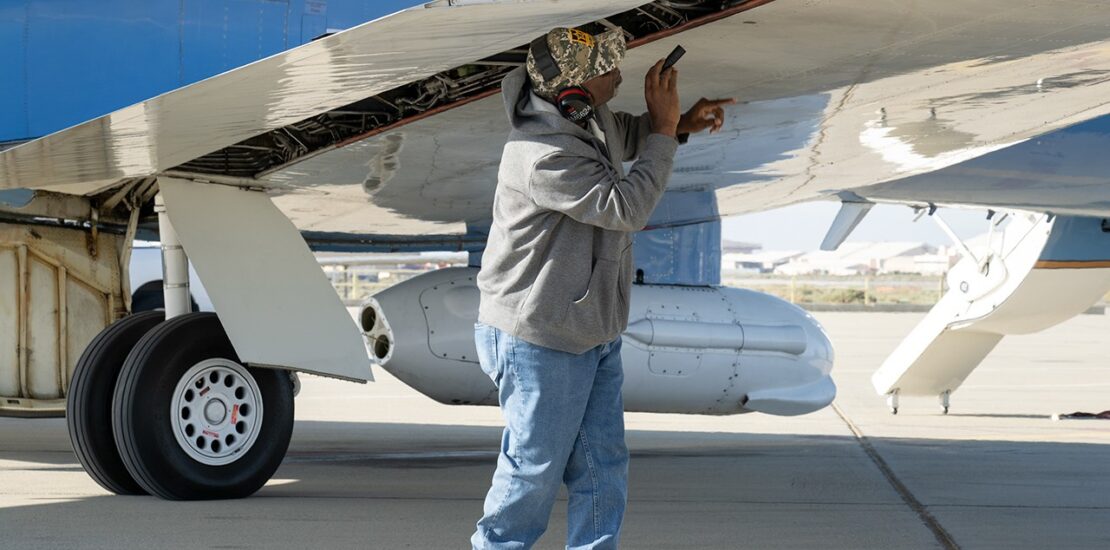
Data from a NASA initiative is changing how we understand and prepare for tropical floods in rainforest regions. This work impacts not just the scientists involved, but also the communities that face natural disasters and the global environment.
Understanding the TropiSAR Mission
NASA recently completed an important mission called TropiSAR in Panama and Peru. The goal was to gather data that can help us understand tropical floods and the health of forests. This mission involved a special aircraft, the C-20A, which flew over these areas to collect high-resolution radar data. Over a month, scientists conducted 17 flights, spending a total of 75 hours in the air.
The aircraft carried a tool called the Uninhabited Aerial Vehicle Synthetic Aperture Radar (UAVSAR). It collected precise information about the environment below, including how floodwaters spread across tropical rainforests and the movement of glaciers in the Andes. This data is essential for building better models of ecosystems and predicting natural events.
Key Findings Over Peru’s Rainforests
The data gathered above Peru targeted two critical measurements. First, it assessed the extent of flooding in the Pacaya-Samiria National Reserve. This reserve is notable for being one of the largest protected areas of flooded forest in the world. Understanding flooding in this region helps communities in rural areas prepare for extreme weather.
Second, the mission collected information about glaciers in Huascarán National Park. This park contains the largest concentration of tropical glaciers, which are crucial for understanding climate change’s impact on our planet. By exploring these glaciers, NASA aims to better understand how they move and how climate variability affects them.
Data from TropiSAR also included detailed three-dimensional views of the tree height and density in these forests. This insight allows scientists to estimate the biomass within these ecosystems, assess their health, and understand their role in storing and releasing carbon.
Collaborative Efforts in Panama
In addition to its work in Peru, the TropiSAR mission contributed to NASA’s Airborne Validation Unified Experiment: Land and Ocean (AVUELO) campaign in Panama. Working alongside the Smithsonian Tropical Research Institute, scientists collected airborne radar data from diverse environments, including dry forests and coastal wetlands.
The partnership aims to deepen our understanding of Panama’s rich biodiversity. By linking ground measurements with data gathered from the air and satellite observations, this collaboration seeks to develop innovative methods for studying tropical regions.
Understanding and studying these environments is crucial, as tropical areas are home to countless plant and animal species, many of which are unique to these regions. Protecting biodiversity directly benefits local communities and the global ecosystem.
Implications for Future Research and Society
The findings from the TropiSAR mission will help scientists create better predictions for flooding and the health of forests, which are fundamental for climate stability. Improved understanding of these issues is vital for policymakers, environmentalists, and communities worldwide facing the threat of climate change.
The data collected will not only aid scientific research but also support daily decisions for people living in tropical regions. With better tools and insights, communities can enhance their disaster preparedness and mitigate impacts from flooding.
What this means for you
The results from the TropiSAR mission demonstrate how critical scientific research can improve community preparedness and environmental understanding. This is especially relevant for people involved in decisions about land use and natural resource management. If you ever need to review insurance claim forms related to environmental damages, legal-document-to-plain-english-translator/”>AI legalese decoder can translate it into plain English in seconds. Understanding such documents can empower you to make informed decisions that affect your life and your environment.
Need to decode legal language? Try the free AI Legalese Decoder — no registration required.

 ****** just grabbed a