
Mexico’s World Cup Economy Reaches MX$45 Billion Despite Challenges
- July 3, 2026
- Posted by: Alex Reed
- Category: Related News
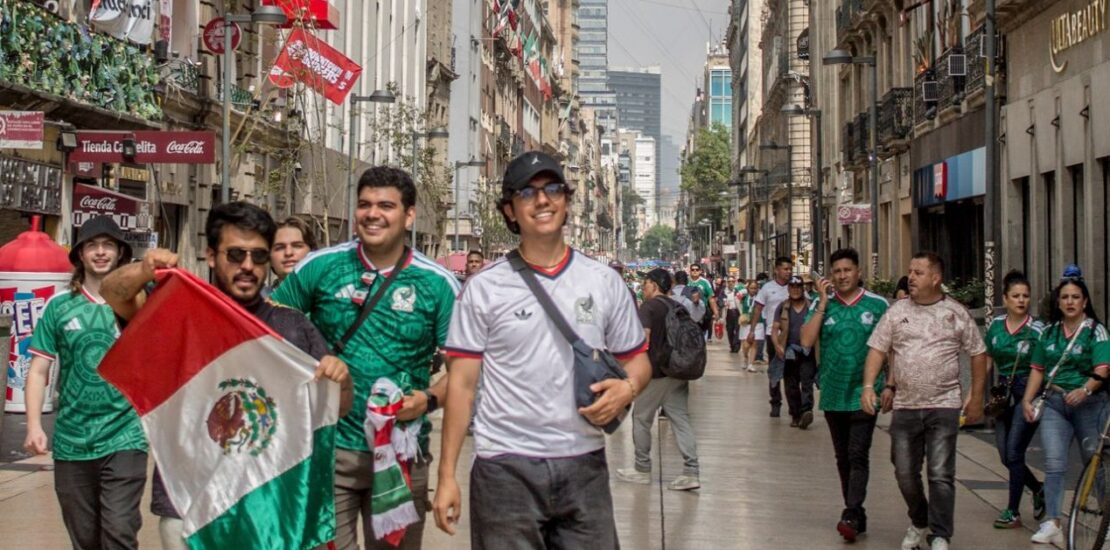
The 2026 FIFA World Cup may not give the expected economic boost to Mexico, affecting everyday people across various sectors. With high travel costs and fewer matches than hoped, the anticipated benefits from this global event seem limited.
Economic Forecasts and Reality
During the first 20 days of the tournament, Mexico’s commerce and tourism sectors generated an estimated MX$45 billion, or about US$2.57 billion. This figure highlights the initial economic activity that the World Cup can bring. The president of the Confederation of National Chambers of Commerce, Services, and Tourism (CONCANACO-SERVYTUR) confirmed that consumer spending may continue to grow as the tournament progresses. Despite a slow start due to local disruptions caused by blockades, business activities have since returned to normal.
However, overall projections from economic analysts are less optimistic. Moody’s has reported that the anticipated economic impact will fall significantly short of earlier estimates. Originally expecting around 5.5 million visitors, they now estimate only 768,000 tourists will attend, presenting a stark drop in the expected influx of cash.
Visitor Numbers and Spending Impacts
The main reason for this downturn lies in the distribution of matches. Mexico will only host 13 of the total 104 matches, while the majority will be played in the United States. This arrangement has curtailed potential visitor numbers.
Moody’s Analytics projects that visitor spending will generate about US$1.03 billion in direct economic activity. This includes projections of US$449 million for hotels, US$257 million for local transport, and US$156 million for restaurants and food services. However, high travel costs and expensive match tickets—up to three times what they cost for the 2022 Qatar World Cup—have also stifled enthusiasm for travel.
Air Travel and Hospitality Struggles
Recent data from the aviation industry shows a declining trend in air travel reservations for key host cities like Mexico City and Guadalajara. In fact, bookings for June and July showed a year-over-year decline of 2.2% and 3.4% respectively, contrary to expectations for a travel surge during the event.
Experts note that significant sporting events often disrupt regular travel patterns. People might delay corporate trips, aiming to avoid congested airports, which may further deter incoming visitors. The International Air Transport Association (IATA) has mentioned that operational challenges and administrative issues may also influence this weaker-than-expected demand.
Challenges for Local Businesses
The decline in tourism is hitting various sectors hard. The car rental industry has reported occupancy rates 12% to 15% below initial estimates. While businesses prepared for a surge in demand, reality paint a different picture. Overall, car rental occupancy reached only 63%, falling short of the hoped-for 75% to 80%.
Restaurants are also facing tough times. Data shows that 65% of eateries saw no increase in sales during the World Cup season. Even significant events like Father’s Day outperformed match days for revenue. It appears many consumers favored watching the games at home or in designated fan zones rather than dining out.
What this means for you
The economic impact of international events like the World Cup can refresh local economies but might fall short of lofty expectations. If you ever need to review travel agreements or event-related documents, legal-document-to-plain-english-translator/”>AI legalese decoder can help translate them into plain English swiftly.
Need to decode legal language? Try the free AI Legalese Decoder — no registration required.

 ****** just grabbed a