
Meta Surpasses Revenue Expectations and Raises 2026 Investment Outlook
- April 29, 2026
- Posted by: Alex Reed
- Category: Related News
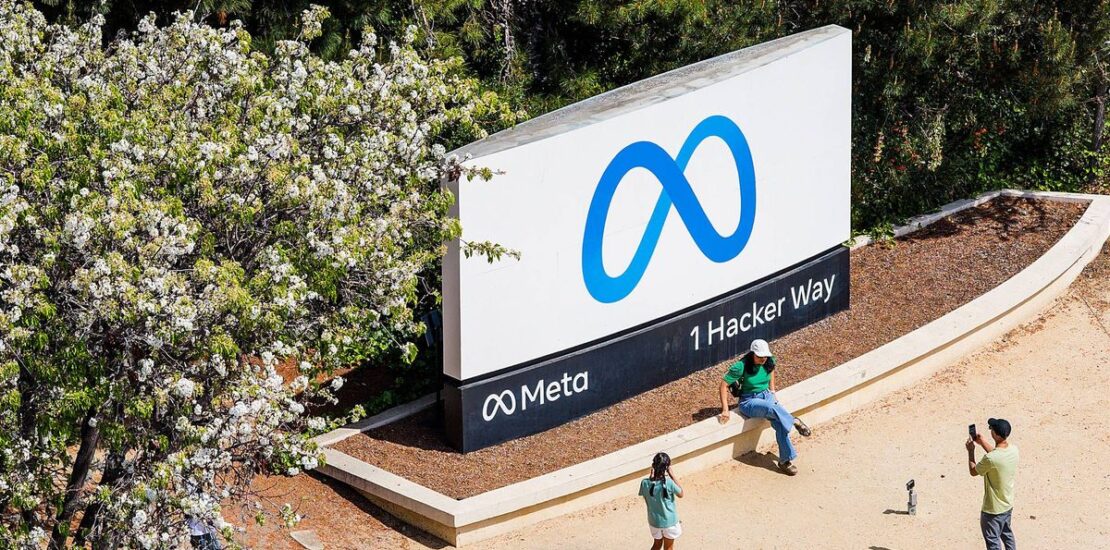
Meta Platforms Inc., the parent company of Instagram and Facebook, has just released its quarterly financial results, and they’re impressive. While many might see numbers, the real takeaway is how this could shape the way we engage with technology and social media in our daily lives.
Impressive Earnings and Revenue Growth
In the first quarter of this year, Meta reported earnings of $26.77 billion, translating to $10.44 per share. This represents a striking 61% increase compared to the same period last year when earnings were at $16.64 billion, or $6.43 per share. Additionally, their revenue rose by 33%, coming in at $56.31 billion. Analysts had predicted earnings of around $6.67 per share with revenue of $55.6 billion, so Meta’s performance exceeded expectations significantly.
This growth is particularly notable during a time when many tech companies are adjusting their business strategies. CEO Mark Zuckerberg celebrated this achievement, stating, “We had a milestone quarter with strong momentum across our apps and the release of our first model from Meta Superintelligence Labs.” This kind of advancement suggests that Meta is not just focused on profits but is also aiming to lead in technological innovation.
Future Revenue Predictions
Looking ahead, Meta forecasts its total revenue for the second quarter to reach between $58 billion and $61 billion. This estimate is somewhat optimistic compared to the average analyst prediction of $59.48 billion. This planning indicates a strong belief in their future growth and reflects how they plan to remain competitive in the rapidly changing tech landscape.
However, it’s worth noting that Meta has also revised its projected capital expenditures for the year. The new range is between $125 billion and $145 billion, increasing from the previous estimate of $115 billion to $135 billion. This hike is attributed mainly to rising component prices and additional costs related to data centers.
Workforce Changes and AI Investment
While the financial growth appears promising, it’s accompanied by significant changes within the company. Meta has announced layoffs affecting about 10% of its workforce, which amounts to approximately 8,000 positions. This move comes as the company reallocates resources and increases spending on artificial intelligence infrastructure, showcasing its commitment to technology advancement despite these job cuts.
As of the end of March, Meta employed nearly 78,000 workers, reflecting a small 1% year-over-year growth. This situation illustrates the balancing act that many large tech companies face: investing in new technologies while managing workforce changes.
Stock Market Reaction
Despite the strong earnings report, Meta’s stock price fell by more than 6% in extended trading after the results were announced. This decline shows that investors are cautious, perhaps focusing on the higher spending forecasts and layoffs instead of the solid revenue growth. Such fluctuations can signal market volatility, underlining how financial results can be interpreted in various ways.
What this means for you
If you’re a social media user or someone whose daily life involves technology, understanding financial news from companies like Meta can impact how you engage with their platforms. Increased investment in AI could enhance your experience online, shaping the tools and features you use.
For those who navigate complex legal documents in contracts or agreements, like terms of service, if you ever need to review those documents, legal-document-to-plain-english-translator/”>AI legalese decoder can translate it into plain English in seconds.
Need to decode legal language? Try the free AI Legalese Decoder — no registration required.

 ****** just grabbed a