
Mayor Wamp Promises Seamless Transition for Business Incubator Relocation
- April 18, 2026
- Posted by: Alex Reed
- Category: Related News
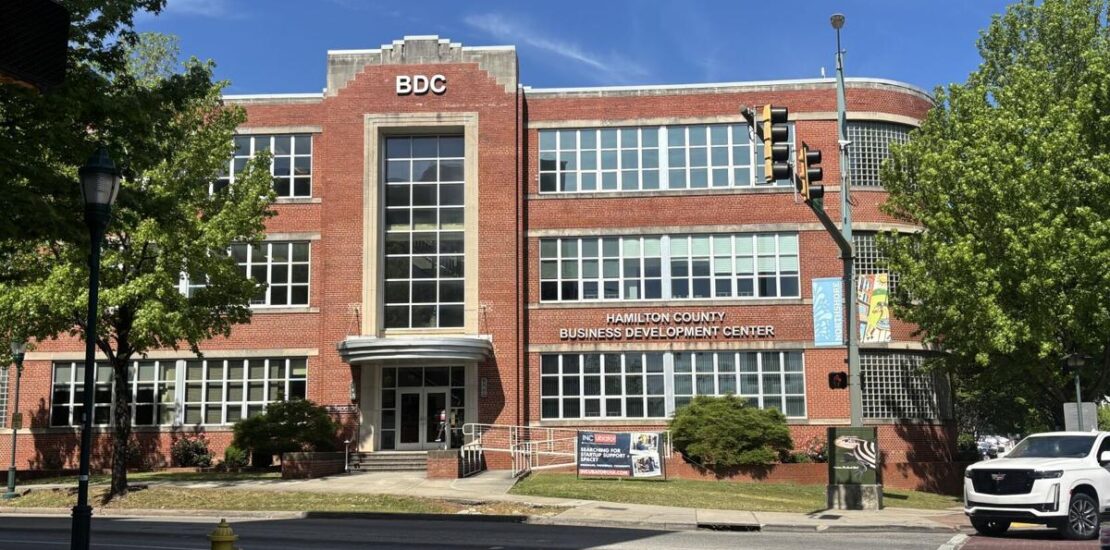
Plans for the future of a business incubator in Hamilton County are causing a stir. As the hub prepares to relocate to a new building, entrepreneurs and taxpayers alike are watching closely for how these changes will impact local businesses.
Moving to a New Location
On Wednesday, Hamilton County officials revealed plans to move the business incubator to the upper levels of the Franklin-Roberts Future Ready Center. This transition has raised some eyebrows among local commissioners and current tenants of the Business Development Center. Even with concerns, Mayor Weston Wamp stands by the decision, stating it is a financially savvy move that will better support business owners and ultimately benefit county taxpayers.
Mayor Wamp emphasized the shortcomings of the current facility, saying, “This building was never designed to be an incubator.” He pointed out its issues, including inadequate winter heating, inadequate summer cooling, and significant structural problems, such as a leaky roof. “It’s got exterior issues and virtually no parking,” he noted. While some community members resist change, Wamp believes this relocation may open new doors for small businesses.
Smooth Transition for Tenants
During the commission meeting, officials made it clear that this move is not an eviction notice. Mayor Wamp assured both tenants and the public that as the transition occurs, many leases will naturally expire. This will facilitate a smooth move for business owners into the new incubator. Wamp pointed out that “about half of the leases will have expired,” allowing for an easier transition for those who remain.
Transitioning into a new space can bring both benefits and challenges. Wamp explained that for those still under lease, the plan includes windows for them to move seamlessly into the new facility. He reiterated the concept that while change can be difficult, it also paves the way for “extraordinary opportunities” in the realm of business development.
Educational Collaborations and New Opportunities
The planned incubator will occupy the third and fourth floors of the new center, leaving the lower levels for educational services. This layout aims to create symbiotic relationships between student opportunities and entrepreneurial ventures. The strategic placement of the incubator could foster collaborations that provide students with hands-on experience while enhancing the support available to local startups.
Wamp shared that a detailed analysis revealed the current business incubator consists of about 44,000 square feet occupied by for-profit companies. He mentioned that this is roughly the same amount of space planned for the new facility, which he believes will serve both entrepreneurs and the educational community more effectively. This aligns with a shared vision of fostering an environment enriching for both business and education.
What this means for you
This development may affect local entrepreneurs looking for new opportunities in a supportive environment. If you’re considering entering a lease agreement for your business, it’s important to understand what you are signing. If you ever need to review a lease agreement, legal-document-to-plain-english-translator/”>AI legalese decoder can translate it into plain English in seconds. Stay informed about changes in your local business landscape.
Need to decode legal language? Try the free AI Legalese Decoder — no registration required.

 ****** just grabbed a