
Maximizing Cotton Yield and Fiber Quality Through Potassium Management
- May 27, 2026
- Posted by: Alex Reed
- Category: Related News
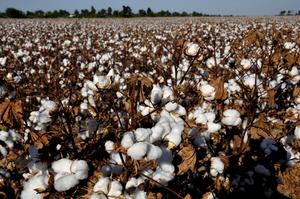
As the 2026 cotton planting season begins, farmers face challenges that go beyond just planting seeds. New research highlights the need for adequate potassium levels to maximize cotton quality and yield, a crucial concern for producers and consumers alike.
The Importance of Potassium in Cotton Farming
Potassium is not just another nutrient; it’s essential for the photosynthesis process and water regulation in plants. When cotton plants lack sufficient potassium, they struggle to develop quality fiber and achieve high yields. Over the last ten years, a growing number of cotton farmers in the U.S. Cotton Belt have reported potassium deficiencies, particularly as modern cotton varieties require more of this vital nutrient.
Research from the Arkansas Agricultural Experiment Station indicates that potassium fertilization can substantially boost yields in potassium-deficient soils. In a series of field trials conducted in 2023 and 2024 across three locations in Arkansas, potassium application led to increases in cotton yield by up to 70%. However, this significant benefit was only observed in soils lacking adequate potassium. For soils already meeting potassium requirements, no further benefits were recorded.
Gerson Drescher, an assistant professor involved in the research, emphasizes that effective management of potassium is key to not just maximizing yields but also improving fiber quality. The findings suggest that properly adjusted potassium levels directly influence the strength and elongation of cotton fibers.
Big Impacts from Small Changes
The results of this study serve as a vital reminder of how small adjustments in nutrient management can lead to meaningful changes in agricultural output. The Division of Agriculture utilizes a “build and maintain” strategy for fertilizer application. This two-step approach aims to raise low soil nutrient values to optimal levels and then maintain them. Current guidelines recommend specific potassium fertilizer rates based on soil testing, recommending up to 140 pounds per acre for “very low” potassium soils and 95 pounds for “low” potassium soils.
Drescher and his team underline that aligning potassium fertilizer rates with current agricultural recommendations can enhance crop yield and maintain soil health. This is crucial as farmers work to balance economic sustainability with environmental responsibility.
Advancements in Nutrient Monitoring
In addition to understanding potassium’s role, the research also looked into how to monitor potassium levels more effectively throughout the growing season. Scientists tested methods for collecting plant tissue samples to diagnose nutritional status accurately. They found that measuring potassium levels in the petiole—a small stalk that connects the leaf to the stem—provided more reliable data about potassium’s relationship to cotton yield potential than measurements taken from the leaf.
Developing accurate methods for potassium monitoring will give cotton growers valuable tools to evaluate their fertilization strategies. By recognizing when additional fertilizer is needed, farmers can maximize their yield potential while ensuring the health of their soil.
What this means for you
For consumers and farmers alike, understanding the importance of potassium in cotton farming is crucial. Adequate potassium not only leads to higher quality cotton but also impacts the prices of cotton-related products. If you ever need to review agricultural documents or regulations, AI legalese decoder can help translate them into plain English in seconds. Keeping informed about farming practices can empower you to make better choices as a consumer or farmer.
Need to decode legal language? Try the free AI Legalese Decoder — no registration required.

 ****** just grabbed a