
Long Island Athletes Shine at State Championship Events
- June 14, 2026
- Posted by: Alex Reed
- Category: Related News
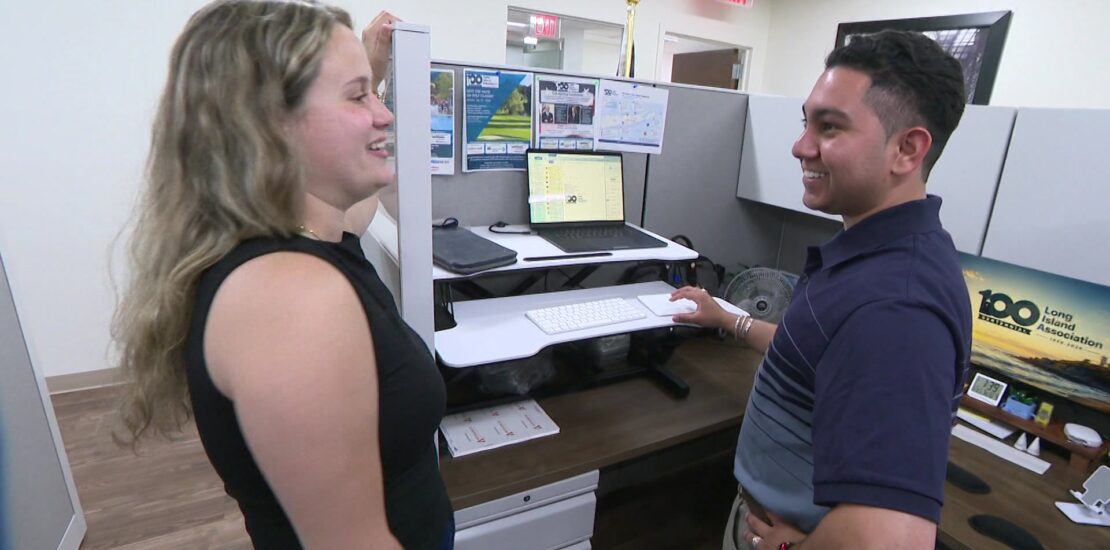
Small businesses are often the backbone of our communities, providing jobs and unique services. Recently, 40 small enterprises on Long Island received financial support to help them succeed.
Supporting Local Growth
On Tuesday, Long Island saw a wave of enthusiasm as 40 lucky businesses celebrated their grants from Optimum Business and the Long Island Association Foundation. Each of these companies received $5,000 to fuel their growth and ensure long-term success in a challenging economic landscape. This initiative is part of the third annual “Lifting Our Community Businesses Across Long Island,” or L.O.C.A.L. Small Business Grant program.
The funds will support various projects. For instance, the Barber & Beauty Institute of New York, located in Hempstead, aims to use the money to upgrade their equipment. This will enhance student training while also continuing their initiative of offering free haircuts to underserved residents in the area.
Another beneficiary, Burger Boys Bar and Grill from Glen Cove, plans to use the grant to kickstart the first phase of an outdoor patio. This new space will allow them to expand seating capacity and host community events, bringing people together in a social environment.
Real Stories and Real Impact
PRIDE EMBROIDERY in Bay Shore is another notable recipient. They plan to invest their grant into promoting their new location and building an e-commerce site. Upgrading their server will also help improve their overall business operations. These grants not only provide financial support but also encourage creativity and innovation among local entrepreneurs.
Andrew Rainone, senior vice president of National Business Sales at Optimum, highlighted the importance of investing in small businesses. He expressed pride in being part of something that fosters community growth. “These grant winners reflect the passion, innovation, and resilience of local entrepreneurs across Nassau and Suffolk Counties,” he said.
It’s crucial to note that this grant program isn’t a one-time event. Since its inception in 2024, Optimum Business and the LIA Foundation have awarded over half a million dollars to 90 small businesses on Long Island. The announcement of two grand prize winners, each receiving $20,000, is also eagerly awaited later this summer.
What’s Next for Long Island Businesses
The L.O.C.A.L. Small Business Grant program continues to create opportunities for local enterprises. The goal is not just financial stability for these businesses, but to foster a thriving community where creativity can flourish. As these businesses put their grants to use, it will be exciting to see how they expand and improve their services.
The importance of support from programs like this cannot be understated. Small businesses often struggle to compete with larger corporations, so grants like these can be a game-changer. They empower local entrepreneurs to innovate, grow, and impact their communities positively.
What this means for you
If you own a small business or are thinking about starting one, consider looking into local grant programs. These can help you navigate the financial hurdles that often accompany entrepreneurship. If you ever need to review grant documents or agreements, legal-document-to-plain-english-translator/”>AI legalese decoder can translate them into plain English in seconds.
Need to decode legal language? Try the free AI Legalese Decoder — no registration required.

 ****** just grabbed a