
Lawyers Caution AI Users to Keep Chat Logs Private Amid Risks
- April 16, 2026
- Posted by: Alex Reed
- Category: Related News
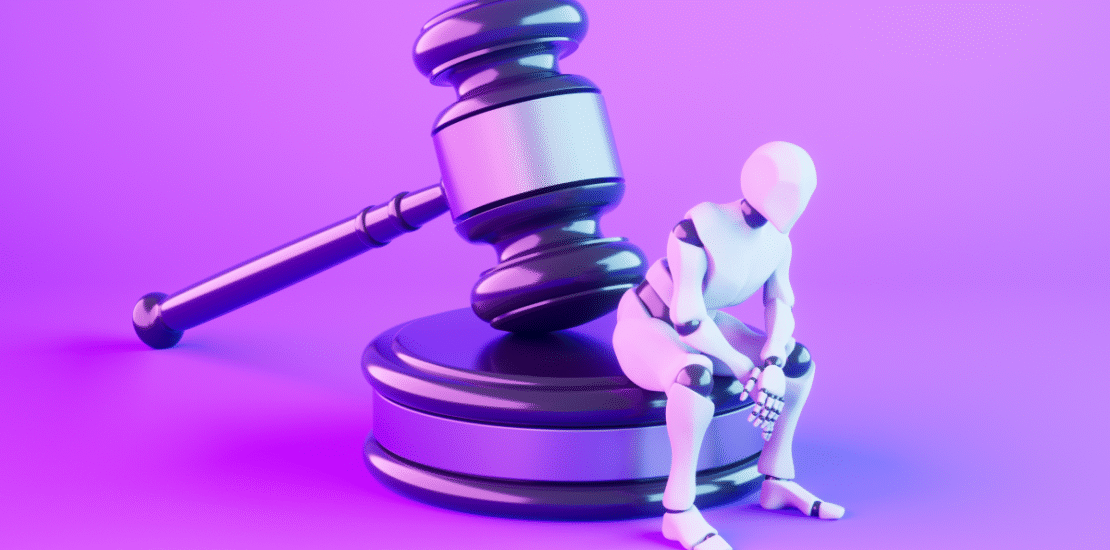
In a world where artificial intelligence is becoming part of our daily lives, how we communicate with chatbots can have real-life consequences. A recent court case shows that chat logs you think are private could end up being used against you in legal situations.
Chatbot Conversations in Court
The case of United States vs. Bradley Heppner highlights this issue. Heppner, the former chair of bankrupt GWG Holdings, used a chatbot named Claude to help prepare materials for his legal case. His lawyers argued that some of the chat logs included discussions with his legal team, claiming they should be protected by attorney-client privilege. However, the judge ruled that no such privilege exists between a user and a chatbot, allowing the logs to be used as evidence against him.
This ruling brings to light a significant concern: anything you say to a chatbot might not stay confidential. Many users may not realize that their conversations could be scrutinized in a courtroom. As chatbots become more popular for tasks like legal research, the implications of this ruling can affect everyone, not just corporate executives.
Contrasting legal Opinions
Not all judges agree on this issue. For example, in a separate case in Michigan, U.S. Magistrate Judge Anthony Patti decided that a woman suing her former employer didn’t have to share her chats with ChatGPT. The judge viewed those conversations as part of her personal "work product," not something the opposing party could easily access.
This contrast in opinions shows the uncertainty surrounding chatbot conversations. Some legal experts argue that users should specify that they are seeking legal advice when chatting with AI. For instance, starting your inquiry with "I am doing this research at the direction of counsel for X litigation" might clarify that the conversation is part of protected legal communications.
The Need for Clear Guidelines
The varying rulings from judges demonstrate the lack of clear legal guidelines concerning AI interactions. Until legislation is established, the situation remains murky. This inconsistency means that the protection you think you have may not be guaranteed.
legal experts emphasize caution when using AI tools for sensitive matters. The traditional advice still stands: limit discussions about your case to trusted legal counsel. This age-old wisdom may be the safest approach until clearer laws outline what users can and cannot expect regarding confidentiality.
What this means for you
As AI becomes a bigger part of our lives, remember: what you say to chatbots may not be private in a courtroom. Be mindful of how you phrase your questions, especially in sensitive situations. If you ever need to review legal documents like contracts or agreements, legal-document-to-plain-english-translator/”>AI legalese decoder can translate it into plain English in seconds.
Need to decode legal language? Try the free AI Legalese Decoder — no registration required.

 ****** just grabbed a