
Labor’s Actions Disregard the Needs of Small Businesses
- May 27, 2026
- Posted by: Alex Reed
- Category: Related News
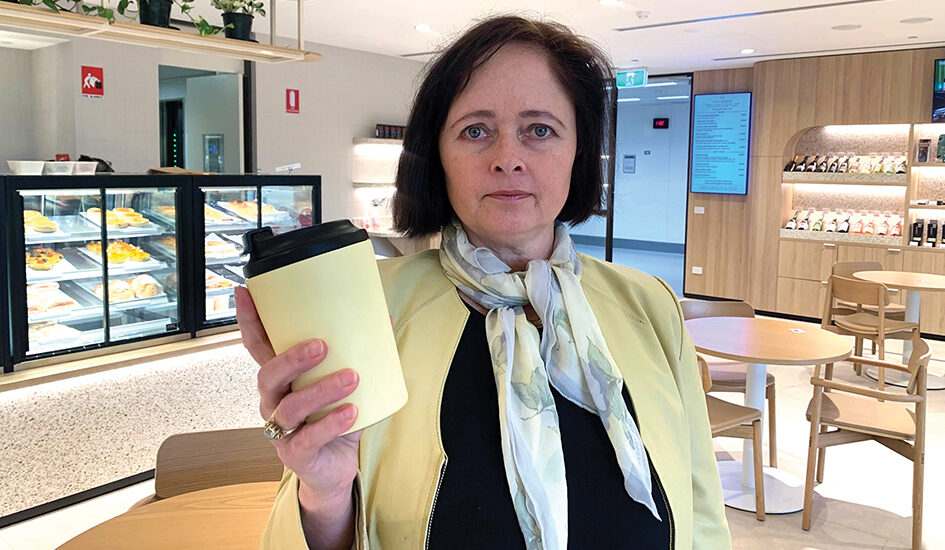
Tanya Davies MP recently raised concerns about a proposed bill that might affect your morning coffee routine. The new initiative from the Minns Labor Government could mean more hassle—and expense—for local cafés and takeaway businesses, something that may impact your wallet even if you don’t run a coffee shop.
The Reusable Cup Bill Explained
The Environmental Legislation Amendment (Plastic Reduction and Container Recycling) Bill 2026 requires hospitality businesses like cafés to adopt reusable takeaway cup programs. The idea is to cut down on plastic waste, but the execution is causing confusion. Specifically, it’s unclear which businesses will have to comply by the 2030 deadline.
Tanya Davies, who represents Badgerys Creek, points out that many small businesses are already battling rising costs. They are facing challenges with higher rents, insurance premiums, energy bills, and a shortage of workers. Now, on top of that, they might need to contend with managing a complex reusable cup system. According to Davies, many owners feel overwhelmed by the prospect of having to handle thousands of reusable cups.
Costs and Challenges for Cafés
The financial implications of this bill are significant. Cafés that sell around 300 coffees a day could be required to manage an enormous number of reusable cups. Shadow Minister for Small Business, Gurmesh Singh, emphasized that these business owners will not be allowed to charge customers to cover the cost of supplying the cups. This means cafés would have to absorb expenses related to purchasing, cleaning, and storing the cups.
Imagine a small café operating on thin margins, now forced to shoulder these additional costs without being able to pass them on to customers. The situation raises questions about sustainability and economic feasibility for many entrepreneurs in the hospitality sector.
Concerns About Consultation and Clarity
Critics of the bill, including Shadow Minister for the Environment Jacqui Munro, express worries about the lack of engagement with industry stakeholders. They argue that businesses have been caught off-guard by the proposal. Munro pointed out that while the intent to reduce plastic waste is commendable, the lack of clarity in the bill creates more problems than solutions.
The proposed legislation, as it stands, lacks specifics. There are still unanswered questions about compliance requirements for different businesses. Will smaller cafés need to adhere to the same rules as larger chains? Without clear guidelines, many in the industry feel uncertain about their responsibilities.
What’s Next for Small Businesses?
The NSW Liberals and Nationals are calling for a reevaluation of the bill. They believe genuine consultation with the hospitality sector is necessary to forge a workable solution. Stakeholders want a plan that not only addresses environmental concerns but also considers the realities that small businesses face.
The pushback indicates that there may still be room for negotiation. If the government genuinely engages with these businesses, it might lead to a more balanced approach that satisfies both environmental goals and economic realities.
What this means for you
For those who enjoy their daily coffee fix or support local businesses, it’s important to understand the potential impact of this legislation. Local cafés may face increased costs, which could affect coffee prices or even availability. If you ever need to review a café’s terms of service or any other related document, legal-document-to-plain-english-translator/”>AI legalese decoder can help translate it into plain English in seconds.
Need to decode legal language? Try the free AI Legalese Decoder — no registration required.
Source: http://nepeannews.com.au/tanya-davies-labor-mugging-off-small-businesses/

 ****** just grabbed a