
Key Insights into the Current State of American Housing Market
- July 1, 2026
- Posted by: Alex Reed
- Category: Related News
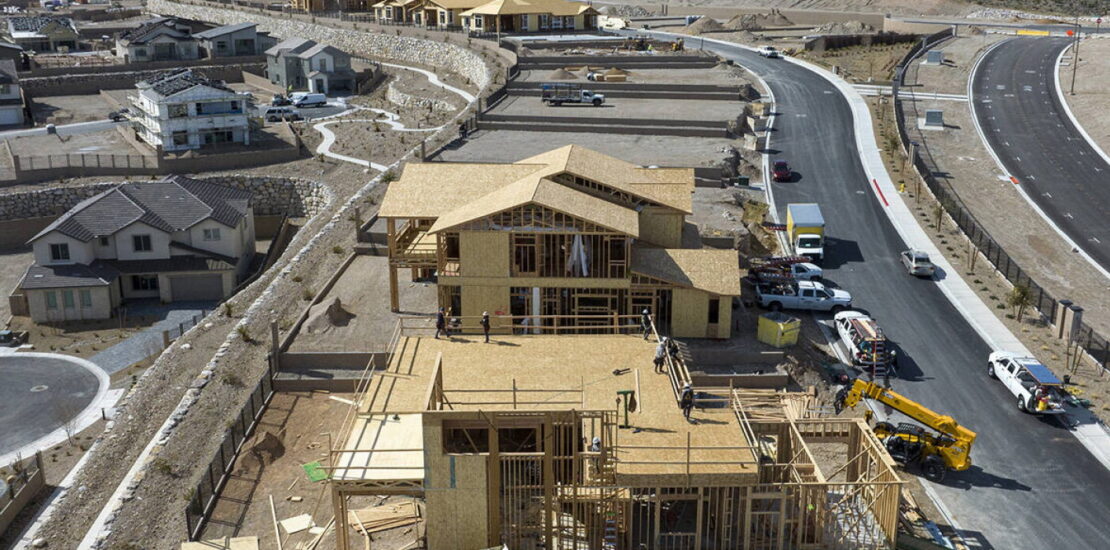
The ongoing housing crisis impacts everyone, from potential homeowners to renters struggling to find affordable options. Understanding the latest findings can help you navigate this challenging market.
The State of Housing: A Complex Challenge
According to the latest “State of the Nation’s Housing” report from Harvard’s Joint Center for Housing Studies (JCHS), more homes are available than there are buyers, which might seem counterintuitive. The report paints a detailed picture of how various factors like demographics, supply issues, and economic trends contribute to the ongoing housing affordability crisis.
A critical takeaway from the report is the nature of housing supply and demand. While people often mention a lack of housing supply, the data shows a different story. There are currently more than 120,000 unsold homes across the country, marking the highest level since 2009. This inventory is a “significant disincentive” to new construction.
Many potential buyers are hesitant to enter the market, as rising unemployment and economic uncertainty loom large. This hesitation is further reflected in the slowdown of new household formations. Young adults are increasingly remaining at home with their parents due to these economic pressures, resulting in slower growth in new households.
Understanding Rental Affordability
The housing shortage isn’t just confined to ownership. Rental costs are also soaring. The JCHS report reveals that rising land and material costs are driving up construction expenses, which are passed on to renters. Alarmingly, low-income Americans, who make up over a quarter of all renters, are severely affected. The number of rental units affordable for individuals earning $24,000 or less has shrunk by 30% over the past decade.
As a result, many renters are facing increasingly high cost burdens. Nearly half of households earning between $45,000 and $75,000 are spending more than one-third of their income on rent, indicating a broader affordability crisis.
This trend places significant strain on families looking for housing options within their financial means. With fewer affordable rentals available, many people find themselves stuck in unsuitable living conditions, affecting their overall well-being and financial stability.
Government Response to the Crisis
In response to these pressing issues, various levels of government are increasingly taking action. Local leaders, governors, and mayors are exploring creative solutions to expand housing supplies and provide support to vulnerable households. However, experts emphasize that these local efforts are not enough without federal commitment to affordability.
Congress recently passed the 21st Century ROAD to Housing Act, which aims to lower costs and increase housing supply. This bipartisan effort enhances the Low-Income Housing Tax Credit, a program designed to incentivize developers to create affordable housing options.
To truly address the housing shortage, state and local governments need to implement measures that lower construction costs, including changes to zoning laws and building codes. These adjustments can enable the private sector to produce housing that meets the needs of average people.
Chris Herbert, the managing director of JCHS, emphasizes that achieving this goal requires a more significant public sector role to support low-income households effectively.
What this means for you
The findings from the housing report may seem daunting, but they’re also a call to action. If you are considering renting or buying a home, it’s more crucial than ever to stay informed about the market. This knowledge can empower you to find the best housing option for your needs.
If you ever need to review leases or rental agreements, legal-document-to-plain-english-translator/”>AI legalese decoder can translate them into plain English in seconds. As housing markets continue to evolve, being equipped with the right information can make all the difference.
Need to decode legal language? Try the free AI Legalese Decoder — no registration required.
Source: https://www.governing.com/urban/what-we-know-about-the-state-of-american-housing

 ****** just grabbed a