
Iran’s Military Warns of Threats to Red Sea Shipping Amid US Blockade
- April 15, 2026
- Posted by: Alex Reed
- Category: Related News
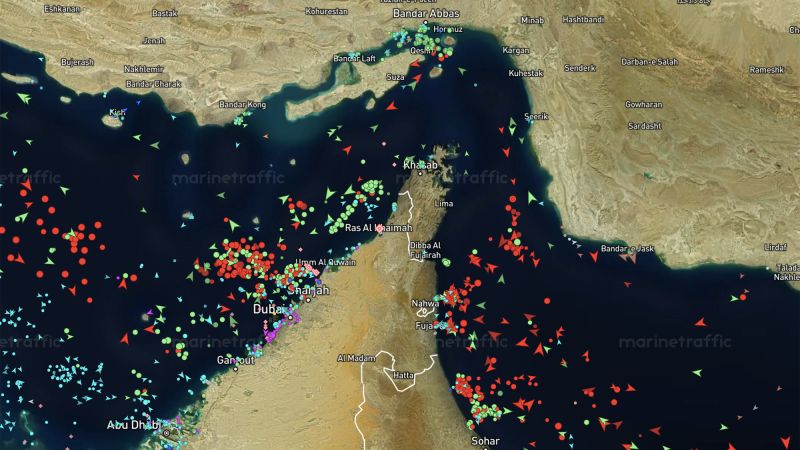
Two ships recently made headlines after navigating the Strait of Hormuz, a critical waterway for global trade. This incident highlights the ongoing tension in the region and its potential impact on everyday consumers, from fuel prices to international trade.
Recent Shipping Activity in the Gulf of Oman
According to Kpler, a data analytics platform, two vessels stopped in the Gulf of Oman after passing through the Strait of Hormuz. Notably, one of these ships, identified as the Rich Starry, made a sudden U-turn back into the waterway. This maneuver raised eyebrows and indicated possible complications due to the heightened military presence in the area.
On Tuesday, U.S. Central Command reported that six merchant ships were forced to turn around. They had been on their way to an Iranian port but were compelled to return to the Gulf of Oman because of a U.S. naval blockade. This blockade aims to limit ship movements in a strategic shipping corridor.
Sanctioned Vessels At Play
Kpler’s data reveals that the Rich Starry, a ship sanctioned by the U.S. due to its ties with Iran, had previously exited through Iran’s outbound lane on April 14. However, the ship’s course was reversed that day as it re-entered the Gulf of Oman. Another sanctioned vessel, known as Elpis, stopped at a similar location before turning off its tracking signal.
Overall, Kpler identified five loaded product tankers that successfully moved through Iran’s toll corridor within 48 hours of the blockade beginning. These vessels are now stationary in the Gulf of Oman, possibly waiting for further developments.
Turning Points and Blockade Effects
The situation escalated when a vessel named Ostria turned back from the Strait of Hormuz before it could load its cargo. Kpler reported that this incident showcases the effectiveness of the blockade, indicating that ships must rethink their plans when facing U.S. military exercises in the area.
Marine traffic data examined by CNN shows that both Rich Starry and Elpis crossed the strait on April 13. After this, the Rich Starry made a U-turn toward the Persian Gulf one day later. Similarly, the vessel Ostria turned around abruptly before crossing the critical chokepoint.
Iran’s Response Amid Tensions
Despite the U.S. naval blockade, Iran has claimed to monitor ships traveling to its ports and successfully passing through the Strait of Hormuz. This assertion suggests Iran’s determination to maintain its shipping activities even under pressure.
When asked for more information about these incidents, including whether the U.S. military had intercepted any of the vessels, CENTCOM provided limited details, referring back to their earlier statements.
What this means for you
The rising tensions in the Gulf of Oman can affect fuel prices and product availability, impacting your wallet. If you ever need to review shipping agreements or contracts related to deliveries, legal-document-to-plain-english-translator/”>AI legalese decoder can decode the fine print into plain English in seconds. Stay informed and aware; global trade routes can impact your daily life more than you realize.
Need to decode legal language? Try the free AI Legalese Decoder — no registration required.
Source: https://www.cnn.com/2026/04/15/world/live-news/iran-war-blockade-us-trump

 ****** just grabbed a