
Iran’s Attack on Kuwait Island Sparks Tensions Over Port Project
- May 12, 2026
- Posted by: Alex Reed
- Category: Related News
Kuwait has accused Iran of attempting a military attack on one of its islands, a move that escalates tensions in the Middle East. This incident could have broader implications for international relations, especially as global leaders grapple with existing conflicts and regional security threats.
The Allegations from Kuwait
Kuwait’s government has claimed that a paramilitary team from Iran attempted to infiltrate Bubiyan Island earlier this month. Located near Iraq, Bubiyan Island is significant because it hosts a vital port project backed by China. According to Kuwait, this team intended to orchestrate “hostile acts,” although specifics of the plan were not disclosed. During the attack, Kuwaiti forces detained four individuals. Two managed to escape, and one security personnel was reported injured. These actions amplify the already high tensions between Kuwait and Iran, which have a history of friction.
Kuwait originally announced the incident without connecting it to Iran but later specified the accusation. This delay raises questions about the regional dynamics and the urgency of Kuwait’s response to ongoing threats. The broader context shows that such incidents can have serious ramifications, especially with ongoing global tensions surrounding Iran’s military actions.
The U.S. Involvement
This incident coincides with U.S. President Donald Trump’s trip to Beijing for vital discussions with Chinese President Xi Jinping, where Iran’s position and its military engagements are expected to be major talking points. Recently, the U.S. has maintained a blockade against Iran, further straining relations. The geopolitical tug-of-war in the region underscores the potential for renewed conflict.
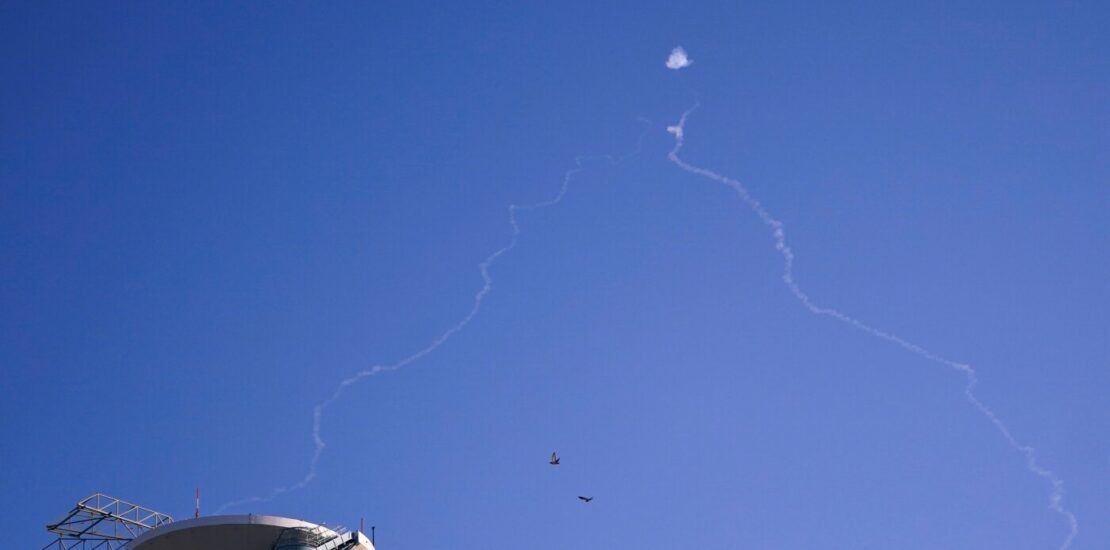
In response to ongoing threats, Israel has reportedly sent its Iron Dome air-defense systems to the United Arab Emirates. This action highlights the collaborative efforts in the region against potential Iranian aggression. The presence of Israeli military assets in the UAE signifies a notable shift in Middle Eastern alliances, with both countries viewing Iran as a persistent threat. This partnership might bring a sense of security to UAE investors and businesses but could also provoke a stronger reaction from Iran.
The Bigger Picture of Regional Tensions
The Gulf region remains volatile, with various nations taking defensive measures against perceived threats. Kuwait’s accusations against Iran add another layer to the complex narrative shaping the region. Ongoing military activities in countries like Bahrain, where authorities have convicted individuals linked to espionage allegedly connected to Iran, highlight a wider crackdown on dissent amid fears of Iranian influence.
With Israel’s decision to send military aid to the UAE, there’s a clear attempt to foster stronger ties against their common enemy. This collaboration signals a potential realignment in the Middle East, where nations previously skeptical of each other are now seeking mutual interests. Yet, this also raises concerns about escalating conflicts, which could affect everyday citizens in the region and beyond.
What this means for you
The unrest in the Middle East is not just a distant issue; it can impact global markets and even energy prices, affecting your daily expenses. It’s essential to stay informed about international relations and how they might influence policies related to various agreements, including those you might encounter. If you need to review military contracts or agreements related to international trade, legal-document-to-plain-english-translator/”>AI legalese decoder can translate it into plain English in seconds.
Need to decode legal language? Try the free AI Legalese Decoder — no registration required.
Source: https://www.npr.org/2026/05/12/nx-s1-5819174/israel-sent-iron-dome-uae

 ****** just grabbed a