
Iran Reasserts Control Over the Strategic Strait of Hormuz
- April 18, 2026
- Posted by: Alex Reed
- Category: Related News
Iran’s recent move to reassert control over the Strait of Hormuz is shaking the waters of global oil supply and international relations. For average people, this issue goes beyond just headlines—it can affect gas prices and global stability.
The Strait of Hormuz: A Critical Waterway
The Strait of Hormuz is a narrow waterway that allows about 20% of the world’s oil and natural gas to pass through. Iran’s announcement to take back control of the strait comes as the U.S. maintains its blockade on Iranian ports. This decision reverses earlier claims that the waterway had reopened, causing concerns among international leaders about oil supply and security.
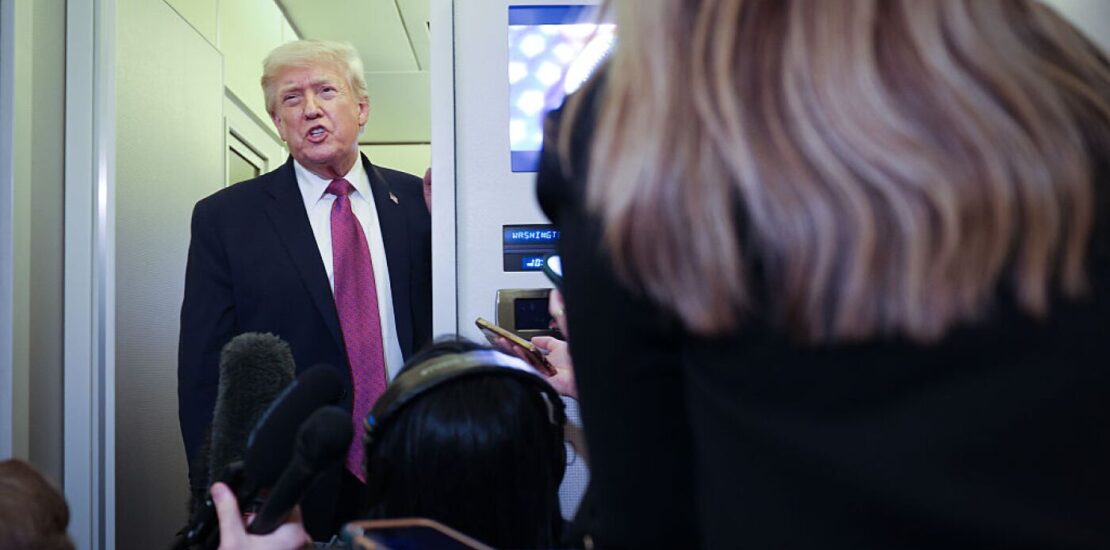
In light of these tensions, U.S. President Donald Trump indicated that military action might resume if an agreement is not reached with Iran before the current ceasefire expires. He referred to Iran’s actions as an attempt to get “cute” while maintaining a firm stance on the blockade. This situation raises alarms not just about military actions, but also about potential spikes in oil prices that could hit consumers hard at the pump.
Recent Events Impacting the Ceasefire
The ceasefire between Iran and the U.S. has not been without turmoil. Just hours after Iran declared the Strait open for business, two Iranian gunboats reportedly fired on a commercial tanker in the region, reigniting fears about safety in maritime trade. The U.K. Maritime Trade Operations reported the attack but confirmed no injuries occurred.
This flip-flopping on the situation can lead to chaos in the markets. Following Iran’s initial claim of reopening the strait, stock markets rallied and oil prices dropped, but this latest development could reverse those gains. Consumer sentiment is anxious as instability in the region can directly affect household budgets.
Global Responses to Escalating Tensions
Countries around the world are responding to these developments with concern. French President Emmanuel Macron criticized Iranian-linked militia Hezbollah for killing a French UN peacekeeper during the ceasefire. This incident underscores the fragile nature of peace in the region and the challenges faced by international forces attempting to restore order.
The circumstances also affect diplomatic relations. Both countries are facing pressures from international communities to avoid further escalation. Iranian leadership insists that the blockade must end, while Western powers remain cautious. This dynamic situates the conflict at the crossroads of local tensions and broader international ramifications.
What This Means for You
The ongoing turmoil in the Middle East can impact everything from oil prices to international relations. As gas prices fluctuate, households could feel the pinch on their finances. If you ever need to review any sort of agreement related to travel or expenses, AI legalese decoder can help decode the fine print in plain English, ensuring you make informed decisions. Understanding these shifts in global dynamics is crucial for every consumer.
Need to decode legal language? Try the free AI Legalese Decoder — no registration required.
Source: https://www.npr.org/2026/04/18/nx-s1-5789780/iran-middle-east-updates

 ****** just grabbed a