
Iran Plans Extensive Funeral Events for Ayatollah Ali Khamenei
- July 3, 2026
- Posted by: Alex Reed
- Category: Related News
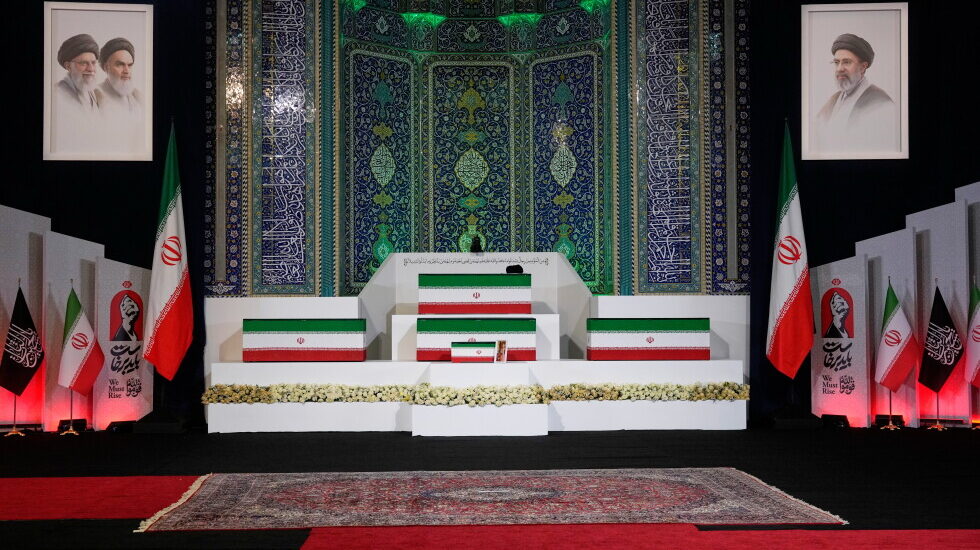
Iran is currently in a period of mourning after the death of Supreme Leader Ayatollah Ali Khamenei, who passed away at the age of 86. His passing has sparked significant public attention and emotional responses, with the government planning a massive funeral expected to redefine the nation’s political landscape in a time of conflict.
Days of Mourning Ahead
Iran has announced plans for a dayslong funeral, starting Saturday, honoring the late Khamenei. Millions of mourners are anticipated to flood the streets of Tehran, echoing the funeral of the previous Supreme Leader, Ayatollah Ruhollah Khomeini, in 1989. The government hopes this outpouring of public support will strengthen its position amid ongoing tensions and conflicts, particularly related to the ongoing war and negotiations regarding the Strait of Hormuz.
Banners across the city call upon the public to rise in support of the Islamic Republic. This call for support serves not only as a tribute to Khamenei but also as a way to unify the nation during uncertain times. The planned processions and services present an opportunity for the Iranian government to reaffirm its power and commitment to its policies.
Honoring a Legacy
Khamenei’s funeral ceremonies will showcase his flag-draped coffin surrounded by family members who also lost their lives due to the war. Among those commemorated is a son-in-law, an eldest daughter, and even a granddaughter. The display at Tehran’s Grand Mosalla will attract religious leaders and foreign dignitaries, signaling a show of strength for Iran while simultaneously honoring the deceased leader’s family members.
During a recent ceremony, mourners dressed in black participated in traditional practices, bestowing blessings upon the casket by throwing scarves and other items. This connection to the Iranian traditions underscores the emotional stakes involved, not only for the government but for the individuals mourning their beloved leader.
Images of Khamenei’s casket, draped with a symbolic red flag, reflect a deep history of remembrance and revenge, associated with significant cultural practices. The public and the government alike must navigate the balance between grief and resilience as they prepare for the funeral events.
A Military Figure Emerges
General Ahmad Vahidi has reappeared in public during this critical time, attending Khamenei’s funeral preparation meetings. His recent absence has drawn attention, especially given his involvement in shaping Iran’s military strategy amidst the ongoing war. The general’s presence illustrates the urgent need for strong military leadership as conflicts continue, particularly with threats from Israel and other adversaries.
Statements from military leaders emphasize a firm stance against any aggression towards Iran, underlining the importance of national unity and strength during these turbulent times. The potential implications of Khamenei’s death may not only shift Iran’s internal dynamics but also influence its foreign negotiations and military strategies.
The Future Landscape
The funeral events will extend across several cities in Iran and even into neighboring Iraq, disrupting daily life and air travel to commemorate Khamenei’s legacy. These actions serve to remind both supporters and critics of the government of the supreme leader’s influence. Banners proclaiming “We must rise” in multiple languages reflect a call to action, showing that Khamenei’s presence and ideologies will continue to resonate in the nation’s collective consciousness.
As Iran prepares for the massive outpouring of grief and public support, the political ramifications remain uncertain. If the funeral succeeds in rallying citizens behind the state, it could provide a much-needed boost for the government in a fragile and complex environment.
What this means for you
For ordinary citizens, the funeral of Supreme Leader Khamenei is more than just a national event; it signifies crucial shifts in governance and societal norms that may impact everyday life in Iran. If you ever need to review government letters or forms, AI legalese decoder can translate them into plain English in seconds, ensuring you grasp the important details.
Need to decode legal language? Try the free AI Legalese Decoder — no registration required.

 ****** just grabbed a