
Iran Issues Warning to Oil Tankers on Approved Routes in Hormuz
- July 5, 2026
- Posted by: Alex Reed
- Category: Related News
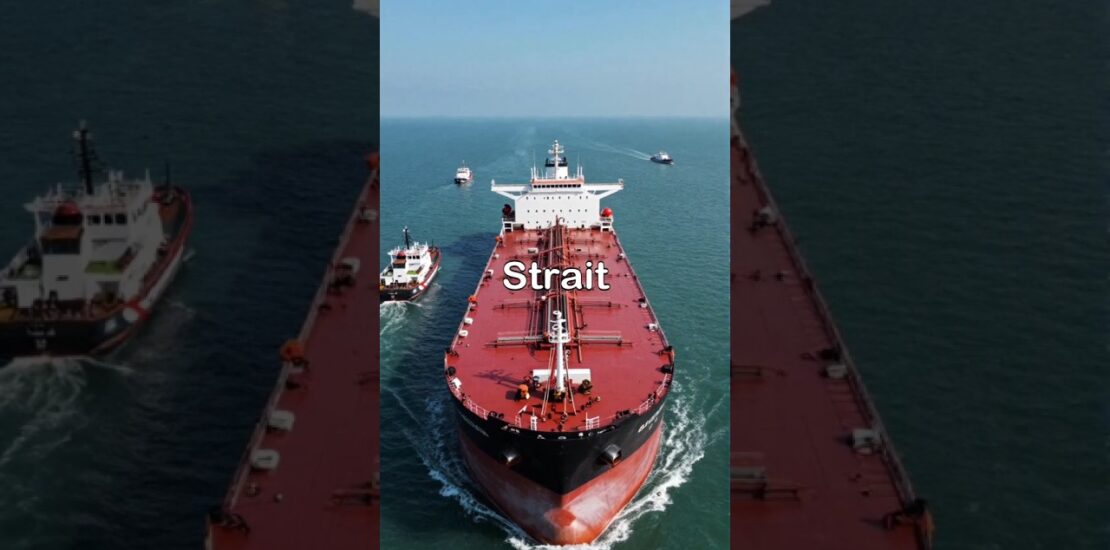
In a significant escalation of regional tensions, Iran has issued a stern warning to oil tanker operators, stating they must navigate through approved routes in the Hormuz Strait or face a “forceful response.” This warning underscores Iran’s ongoing efforts to assert control over this strategic waterway, a crucial conduit for global oil shipments.
Iran Warns Oil Tankers — Key Takeaways
This warning comes amid rising geopolitical tensions and reflects Iran’s commitment to protecting its interests in the region. The Hormuz Strait, a vital shipping lane, is crucial for the transport of oil from the Persian Gulf to international markets. Recently, Iran has intensified its maritime surveillance and has openly threatened actions against vessels that disregard its regulations, raising concerns among global shipping companies.
What You Need to Know
- Iran has mandated that oil tankers must adhere to approved navigation routes in the Hormuz Strait.
- The Iranian government has warned of a “forceful response” for non-compliance, which raises stakes in the region.
- The Hormuz Strait is pivotal for oil transportation, with approximately 20% of the world’s oil passing through this narrow strait.
- This warning is part of broader military exercises and demonstrations of naval power by Iran in the Persian Gulf.
- Shipping companies are advised to take extra precautions and stay informed of any developments regarding Iran’s maritime regulations.
Why This Matters
Iran’s threat to oil tankers holds significant implications for global oil markets and maritime security. The Strait of Hormuz is a critical chokepoint for oil transit, and any disruptions could lead to increased shipping costs and volatility in energy prices worldwide. Tensions in this region often lead to instability, affecting not only regional players but also global economic dynamics.
Need to decode legal language? Try the free AI Legalese Decoder — no registration required.

 ****** just grabbed a