
Iran Dismisses Trump’s Claim of Requested Meeting Amid Tensions
- June 29, 2026
- Posted by: Alex Reed
- Category: Related News
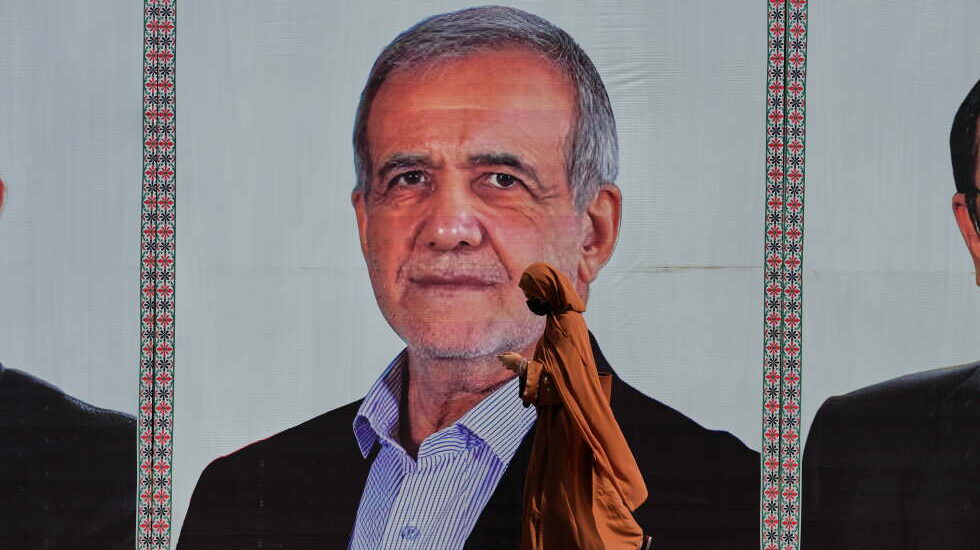
President Donald Trump recently stirred up headlines with claims of a potential meeting between the U.S. and Iran. While this could have major implications for international relations, Iranian officials quickly denied any such discussions were scheduled. Understanding these developments is crucial, as they could affect everything from oil prices to everyday expenses for regular consumers.
The Tenuous Deal Between the U.S. and Iran
Recently, tensions in the Strait of Hormuz have escalated. This body of water is vital for global oil and gas transport, with about a fifth of all traded oil passing through it. The U.S. has been trying to maintain a fragile interim deal with Iran amid increasing hostilities. Attacks on cargo ships and tankers have raised fears of a global energy crisis, potentially impacting prices you see at the gas station.
Trump announced via social media that a meeting would occur in Doha, Qatar, to address these tensions, saying it would take place on Tuesday. However, the Iranian president and officials quickly countered Trump’s claim, indicating that no meeting was on the agenda. They seemed to downplay the visit even as they discussed the release of $6 billion in frozen Iranian assets, which had become a topic of negotiation.
Iran’s Actions Raise Concerns
Iran has recently conducted several attacks in the Persian Gulf, affecting shipping routes and increasing tensions further. As a result of these actions, American airstrikes have occurred, which could complicate talks aimed at resolving ongoing conflicts. The attacks included targeting vessels and infrastructure, and they add to the urgency for an international response.
Iran’s Vice President Masoud Pezeshkian referred to the $6 billion that is proposed to be released as a “great victory” for the Iranian people. Still, no official confirmation has been provided by either the U.S. or Qatar regarding any release. The goal of this financial move appears to be not only to navigate the current negotiations but also to reassure the Iranian public during a time of unrest.
Confusion Over Diplomatic Discussions
While U.S. officials maintain that conversations are continuing, Iranian negotiators have expressed skepticism. Kazem Gharibabadi, a senior Iranian official, stated that no formal talks had been arranged and described media reports as unsubstantiated.
This confusion highlights the precarious nature of these negotiations. Lower-level diplomats are working on technical discussions that could pave the way for high-level talks. However, multiple parties involved could complicate matters. With Pakistan acting as a key mediator, the stress surrounding potential discussions could lead to further breakdowns in communication.
The Economic Fallout
Irrespective of political debates, the economic consequences of these events are tangible for many. Rising oil prices could filter down to everyday consumers, affecting everything from gas prices to the cost of goods. If the situation continues to deteriorate, it could become even more challenging for consumers in an already unpredictable economy.
With ongoing tensions and uncertain negotiations, it’s essential for regular people to stay informed about how these matters could impact their daily lives.
What this means for you
Understanding the ongoing U.S.-Iran dialogues is crucial, as they can influence everything from energy costs to economic stability. If you ever need to review contract details related to energy agreements or anything else, legal-document-to-plain-english-translator/”>AI legalese decoder can help translate it into plain English in seconds. Stay informed and understand the fine print!
Need to decode legal language? Try the free AI Legalese Decoder — no registration required.

 ****** just grabbed a