
IPOs Shift from Starting Line to Exit Ramp on Wall Street
- May 31, 2026
- Posted by: Alex Reed
- Category: Related News
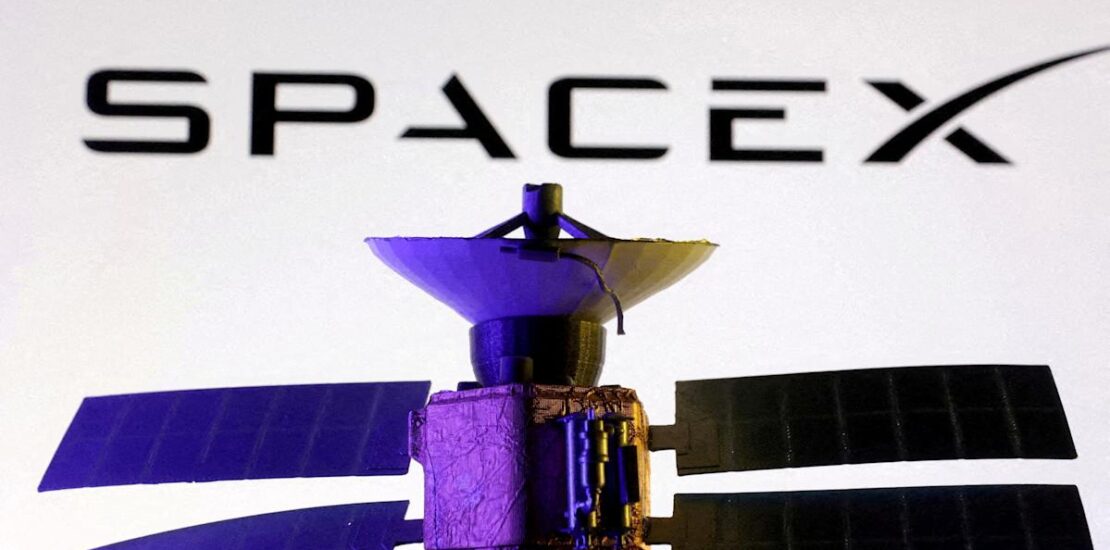
SpaceX is setting its sights on becoming a publicly traded company after almost 24 years as a private entity. This move highlights a trend that could affect everyday investors, as many new startups and established companies are choosing to stay private longer than in previous decades.
### The Shift in Company Listings
Elon Musk’s SpaceX plans to make its public debut, marking a significant change in how companies approach the market. Traditionally, companies like Amazon and Apple went public just a few years after their founding. In contrast, newer giants like Tesla and Meta took much longer, with their public offerings coming several years after they began operations. SpaceX, however, is poised to stretch that timeline even further.
This trend suggests that the initial public offering (IPO) is becoming less about starting anew in the public market and more about allowing early investors to cash out after years of growth behind closed doors. This shift means that the general public may miss out on investment opportunities until companies have already achieved significant success.
### A Different Path for Investors
The waiting game is changing the landscape for investors. With successful companies opting for extended private growth, public investors might only get the “receipt” after years of private investment. Unlike past decades, when IPOs often represented new beginnings, today’s offerings can feel more like a finale for early backers and insiders.
For many everyday investors, this means the market must rely on alternative paths to gain exposure to these growing companies. Some may seek exchange-traded funds (ETFs) or other financial vehicles that offer access to the value created by these companies long before they hit the public market.
### SpaceX in Context
SpaceX stands apart as it nears its public debut compared to its peers. While companies like Palantir and Reddit waited several years before going public—17 and 19 years, respectively—SpaceX’s trajectory could push up against the 24-year mark. This context emphasizes how different the investment landscape is from what it once was. It raises questions about what this means for new startups that may choose to follow suit, staying private for as long as possible to build their value.
### Implications for the Economy
The implications of this shift extend beyond individual investors. The trend might alter how funding works for future startups. If less pressure exists to go public early, companies may focus more on long-term growth and sustainability rather than short-term stock market fluctuations. This situation could lead to healthier companies and a more stabilized economy in the long run.
However, it also complicates the average investor’s ability to participate in the growth of these companies. With fewer opportunities to invest early, individuals may need to adjust their strategies to keep up with the evolving market.
### What this means for you
If you’ve ever wished to invest in promising companies but found yourself left out due to their lengthy private phases, you’re not alone. As the investment landscape changes, it’s essential to explore other financial options. Staying informed can help you navigate this new environment.
Remember, if you ever need to review investment documents or agreements related to IPOs, legal-document-to-plain-english-translator/”>AI legalese decoder can help translate them into plain English effortlessly.
Need to decode legal language? Try the free AI Legalese Decoder — no registration required.

 ****** just grabbed a