
Inner Mongolia Embraces Solar and Wind Amid Ongoing Coal Dependence
- July 1, 2026
- Posted by: Alex Reed
- Category: Related News
The energy landscape in China is evolving, and what happens in Inner Mongolia offers crucial insights for everyday life. As this region navigates its reliance on coal and renewable energy sources, it shapes the future of energy for millions, including how we power our homes and industries.
The Solar and Coal Paradox
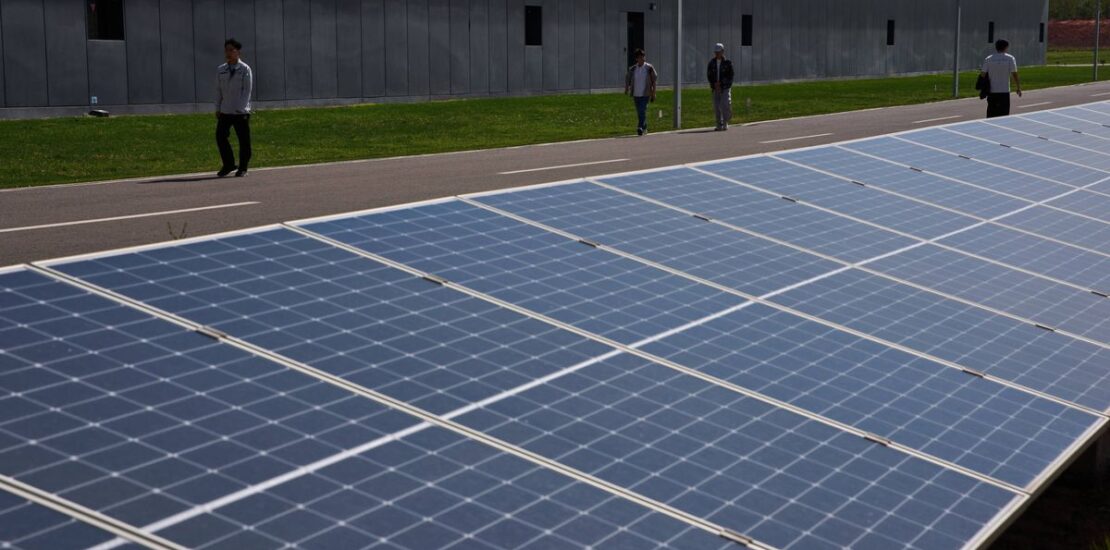
From above, the Dalad Banner solar farm in Inner Mongolia gleams with over 3 million solar panels arranged to symbolize a galloping horse—an homage to the area’s nomadic culture. Close by, a coal-fired power plant supplies energy to Beijing, highlighting the region’s energy duality. Inner Mongolia has become a central hub for both renewable energy development and coal production. Despite China’s rapid growth in wind and solar energy, coal continues to supply over half of the country’s electricity needs, illustrating a complex relationship where both sources are critical.
Experts suggest that this paradox reflects a broader national struggle: transitioning to more renewable energy while still depending heavily on coal. David Fishman, an energy consultant, notes that in Inner Mongolia, an increase in renewable energy often accompanies a rise in coal production. As officials strive to satisfy growing energy demands, both forms of energy may continue to coexist, with coal serving as a backup during times of renewable energy shortages.
Inner Mongolia’s Role in Power Distribution
Inner Mongolia is a pivotal player in China’s “West-to-East Power Transmission Project,” which moves electricity from resource-abundant regions to its eastern, industrialized areas. In 2025, approximately 40% of the region’s electricity—enough to power around 120 million households—was transmitted elsewhere.
Solar and wind energy production in Inner Mongolia has surged in recent years, yet coal remains dominant, generating three times more electricity than these renewable sources combined. Local officials emphasize that coal is necessary to maintain a stable energy supply, especially since wind and solar power can fluctuate significantly. The ongoing expansion of coal power is also crucial for fulfilling energy contracts and supporting economic stability in the region.
Navigating the Energy Shift
As Inner Mongolia attempts to integrate renewable energy into its power supply, established coal plants are being modified to operate with more flexibility. Officials claim these plants can reduce their output significantly, but experts warn that meeting such ambitious goals across all operations may not be feasible. Anika Patel from Carbon Brief stresses that theoretical capabilities don’t always translate into actual operations, particularly given the economic pressures surrounding coal.
While many worry about the environmental impact of ongoing coal use, local authorities are also pursuing carbon capture technologies to help mitigate emissions. The challenge lies in balancing renewable energy introduction with coal’s ongoing role in the energy mix, requiring careful management and innovative strategies.
Aligning Energy with Modern Needs
To address rising electricity demands from sectors like artificial intelligence and electric vehicle charging, Inner Mongolia is ramping up its investment in renewable energy along with energy storage and transmission infrastructure. This strategic growth aims to enhance grid efficiency for better alignment with the needs of modern industries.
Moreover, as part of its coal strategy, Inner Mongolia is also bolstering its coal-to-chemicals industry to reduce reliance on imported energy sources. Authorities hope that by converting coal into various chemicals and fuels, they can minimize the environmental impact while aiding national energy independence.
What this means for you
For ordinary individuals, these developments in Inner Mongolia highlight the ongoing balancing act between renewable and traditional energy sources. Understanding energy policies can be crucial when considering your electricity rates or investments in green technology. If you ever need to review energy-related documents, AI legalese decoder can translate it into plain English in seconds.
Need to decode legal language? Try the free AI Legalese Decoder — no registration required.

 ****** just grabbed a