
IMF Warns Nigeria’s Stablecoin Growth Challenges Naira Stability
- June 16, 2026
- Posted by: Alex Reed
- Category: Related News
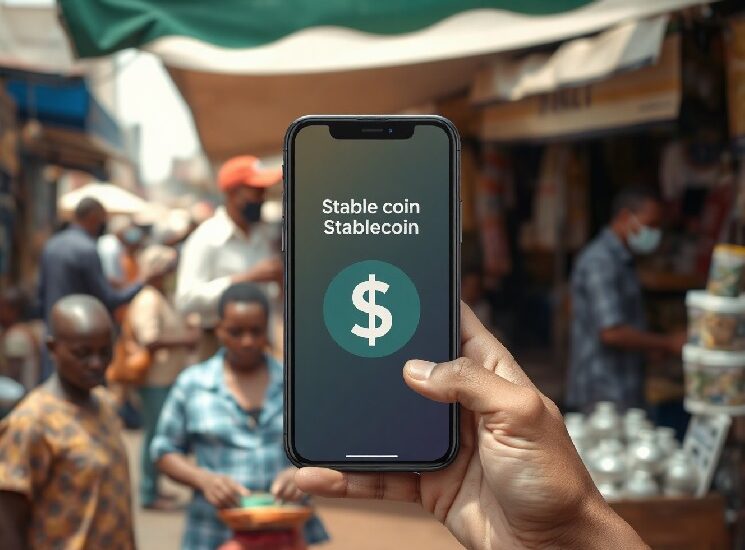
The rise of dollar-pegged stablecoins in Nigeria isn’t just a financial trend; it could shake up the entire economic landscape. As local currency struggles, many find refuge in stablecoins, raising critical questions about the future of Nigeria’s economy.
Why Stablecoins Are Gaining Popularity in Nigeria
In recent times, Nigeria has experienced an explosion in cryptocurrency adoption. Among these digital tokens, stablecoins—specifically those pegged to the U.S. dollar—are becoming increasingly popular. The International Monetary Fund (IMF) notes that this isn’t just about speculation; rather, it’s a sensible response to pressing economic issues.
The local currency, the Naira, has significantly lost value against the dollar this year, hurting both buying power and savings for many households and small businesses. Nigeria also grapples with persistent high inflation, which means that people are looking for secure ways to store their wealth. Dollar-pegged stablecoins present a tempting alternative, facilitating cross-border transactions and providing a stable asset for saving in a time of uncertainty.
However, the IMF also warns that widespread adoption of stablecoins might spell trouble for the Naira. If a large number of transactions begin to rely on stablecoins, it could weaken the currency’s demand, complicating efforts of the central bank to manage both money supply and inflation.
Regulatory Challenges Ahead
Historically, Nigeria’s central bank has taken a careful approach to cryptocurrencies. In 2021, it enacted a directive preventing banks from processing crypto transactions, yet the market has persisted through peer-to-peer trading and decentralized platforms. This trend has raised alarms among financial regulators and investors alike.
The IMF’s report indicates that Nigeria’s current regulatory framework is ill-suited to deal with the rapid adoption of stablecoins. The lack of effective oversight can potentially threaten both financial stability and consumer protection. This sets the stage for a potential regulatory overhaul as authorities grapple with the changing landscape while ensuring citizens are safeguarded.
The Bigger Picture: Global Implications
Nigeria’s situation isn’t unique—it mirrors a wider trend occurring in other emerging economies where capital controls and currency depreciation are becoming the norm. The IMF’s analysis points to a growing friction between decentralized currencies, like stablecoins, and standard monetary frameworks.
For Nigerian policymakers, the stakes are high. They need to tackle the root causes of the Naira’s decline while also shaping a regulatory framework that fosters innovation. Balancing these needs will be pivotal to ensuring long-term economic stability.
What this means for you
The IMF’s concerns highlight how digital currencies can disrupt traditional monetary systems, impacting everyday transactions. Whether you’re a consumer or a business owner, understanding the implications of such innovations is essential. If you ever need to review financial documents or terms concerning digital transactions, legal-document-to-plain-english-translator/”>AI legalese decoder can help decode the fine print, making it easier to understand your rights and responsibilities.
Need to decode legal language? Try the free AI Legalese Decoder — no registration required.
Source: legal/33016520/” rel=”nofollow noopener”>https://cryptonews.net/news/legal/33016520/

 ****** just grabbed a