
Husband of Rebecca Grossman Avoids Finance Questions in Trial
- June 8, 2026
- Posted by: Alex Reed
- Category: Related News
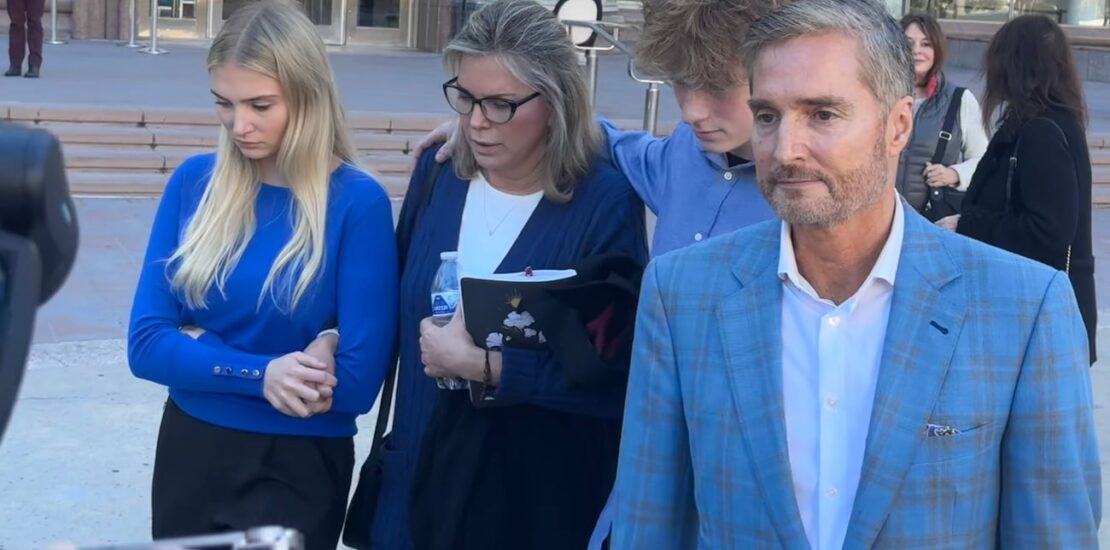
Convicted LA socialite Rebecca Grossman’s trial has highlighted the complex intersections of wealth, responsibility, and justice. The ongoing testimonies in a wrongful death civil case show how financial matters can complicate legal outcomes, affecting families’ lives and public perspectives.
Trial in the Spotlight
The courtroom drama centers around the tragic deaths of two young brothers, Mark and Jacob Iskander. The boys were killed in a hit-and-run incident six years ago, and the trial is now in the punitive damages phase, focusing on the family’s financial status. Peter Grossman, a well-known plastic surgeon and Rebecca Grossman’s husband, continues to testify about their family’s wealth and assets. During questioning, he faced scrutiny over discrepancies in his statements about property and financial transfers.
Attorney Brian Panish, representing the Iskander family, pressed Grossman for specific details such as bank documents and evidence that funds were properly tracked. “Where is the proof?” Panish queried, emphasizing the importance of clear financial records, especially in a legal context where accountability is vital. Grossman’s responses were at times evasive, indicating he did not have documentation on hand to support his claims regarding a $200,000 transfer intended for legal fees.
The Weight of Words
The trial also revealed more than just financial tension; it brought to light troubling aspects of the Grossman family dynamic. Recorded prison calls between Peter and Rebecca showed them discussing how to manage their assets amid their legal troubles. His less-than-flattering comments about the boys’ mother raised eyebrows in court, leading to more questions about how personal feelings could intertwine with legal responsibilities.
Peter Grossman went on to acknowledge his wife’s negligence, stating that she was responsible for the accidental deaths of the children. While this admission adds gravity to the proceedings, it also illustrates the complicated emotions and blame that can arise in such tragic events. This contradiction was not lost on the jurors, who must weigh his testimony against the overwhelming evidence of negligence that has already led to a significant jury award of $176 million to the boys’ family.
Background on the Incident
The tragic incident occurred on September 29, 2020, in Westlake Village, a suburb of Los Angeles. The Iskander family was crossing a marked pedestrian crosswalk when they were struck by vehicles driven by Rebecca Grossman and Scott Erickson, a former Major League Baseball pitcher. Witnesses have described the vehicles speeding and changing lanes dangerously, almost as if racing. Even after the collision, Grossman failed to stop, leaving the scene and prompting serious questions about her accountability.
This case highlights the broader implications of reckless behavior, especially when it involves alcohol and driving. As the evidence mounts, it underscores the importance of driving responsibly, a lesson that both the courts and the public are beginning to grasp as this case unfolds.
What This Means for You
This trial serves as a stark reminder of the consequences that can follow negligent actions. Everyone shares a responsibility to act carefully, particularly behind the wheel. If you ever need to review a legal document like an insurance claim form or any related paperwork, legal-document-to-plain-english-translator/”>AI legalese decoder can translate it into plain English in seconds. Moreover, this case serves as an example of how financial transparency is critical, especially when lives are at stake. Regular people should keep diligent records in case legal issues arise in the future.
Need to decode legal language? Try the free AI Legalese Decoder — no registration required.

 ****** just grabbed a