
How Ted Turner Revolutionized News for a Global Audience
- May 6, 2026
- Posted by: Alex Reed
- Category: Related News
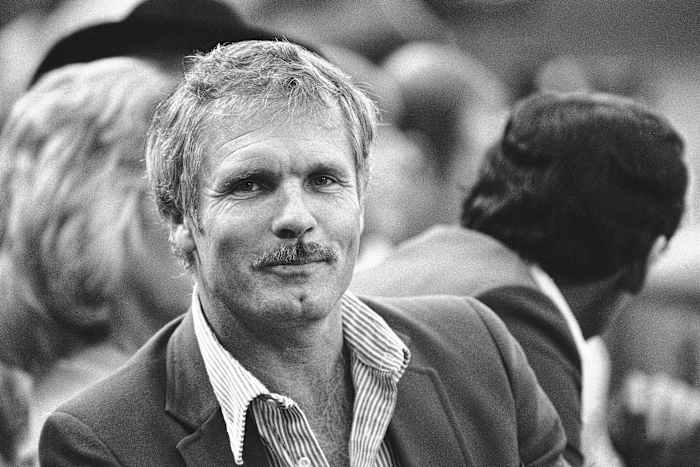
Ted Turner fundamentally changed the way we consume news. His vision for 24-hour news coverage has shaped the media landscape we see today, and his recent passing has reignited discussions about his lasting impact.
The Birth of 24-Hour News
Before Turner launched CNN, news was typically delivered at specific times, often only once or twice a day. Watching the news meant preparing for a 30-minute segment, usually with a set routine. Ted Turner changed all that. In the 1980s, he introduced the concept of around-the-clock news coverage, ensuring that crucial updates were always accessible. This shift not only increased news visibility but also changed how audiences interacted with information. People could tune in 24/7, much like flipping through channels for entertainment, which was unheard of before.
This innovation came into focus during pivotal events, such as the Challenger explosion in 1986. Viewers instantly turned to CNN for real-time updates when the tragedy struck. Turner’s approach offered a continuous news cycle that, for many, has become the norm today. It allowed channels like CNN to eclipse other stations in breaking news coverage.
Global Reach and Cultural Shifts
Turner recognized early on that news wasn’t limited to just a local audience. He envisioned it as a global commodity, something that people around the world would want to watch and understand. In the early ‘90s, Beth Knobel, a former CBS journalist, saw CNN broadcasts in the Kremlin. This underscores how far-reaching Turner’s impact was; he made it possible for people globally to engage with news about significant international developments.
This cultural shift was radical for its time. Newsrooms weren’t only covering local stories anymore; instead, they had their eyes on the world stage. Turner’s vision was revolutionary and opened the doors for expansive coverage that included international perspectives. As audiences saw events unfold globally, they became more informed and engaged with issues that affected them at home.
Technological Innovations and Battle for Eyeballs
The first Gulf War marked a turning point for CNN. While other networks pulled their reporters from Baghdad, CNN stayed put. With the help of advanced satellite technology, they delivered updates from the front lines, continuing to broadcast information even when communication systems failed. This commitment not only demonstrated Turner’s foresight regarding technology but also established CNN as a credible source for breaking news.
The audience’s appetite for news turned the media landscape into a race for viewer attention. News organizations began to compete fiercely, driven by the need to capture viewers’ eyes. This shift has led to 24/7 news cycles that require journalists to be available at all hours. As one professor noted, time became a currency in media. Audiences expect continuous updates, whether in times of crisis or when waiting for developments in ongoing stories.
What this means for you
Ted Turner’s innovations laid the groundwork for media as we know it today. This background can help you understand how news is delivered and consumed. Being informed about issues is essential in today’s fast-paced world.
If you ever need to review employment contracts or any legal documents, AI legalese decoder can translate it into plain English in seconds. Keep this in mind when navigating agreements to protect your rights and interests.
Need to decode legal language? Try the free AI Legalese Decoder — no registration required.

 ****** just grabbed a