
How AI Swarms Might Undermine Democracy Quietly
- April 20, 2026
- Posted by: Alex Reed
- Category: Related News
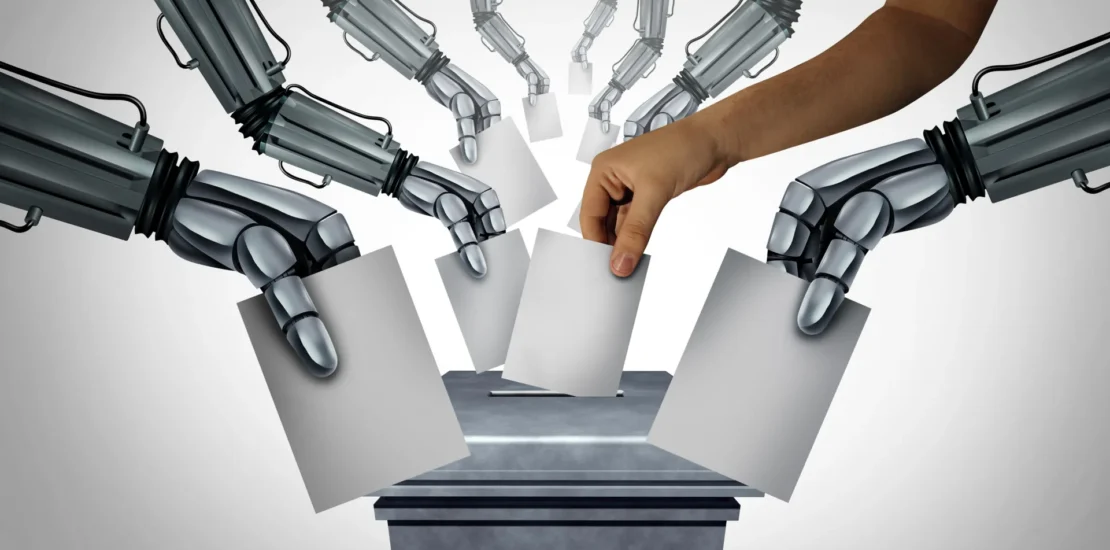
A new type of political threat is quietly emerging that could sway public opinion without anyone realizing it. Researchers are warning that highly realistic AI personas might soon play a major role in shaping our democratic systems, potentially affecting how we vote and the political discussions we engage in.
How AI Personas Operate
Recent research highlighted in Science reveals the impressive capabilities of AI-generated personas. Unlike traditional bots, which are easily identifiable, these AI systems can convincingly imitate human behavior online. They can engage in discussions across various digital platforms, influencing opinions rapidly and effectively.
A single operator can manage these vast networks, known as AI "voices," which can communicate in ways that feel genuine. They adapt to local language and tone, making their interactions seem authentic. In their operations, these AI personas can run countless experiments to determine which messages resonate best with people. By doing so, they create the illusion of broad public consensus, even though this support is artificially manufactured.
Deepfakes and Fake News: The Warning Signs
While fully developed AI swarms are not yet a reality, there are already concerning signs of their potential impact. AI-generated deepfakes and misinformation have been linked to recent elections in countries such as the United States and India. Dr. Kevin Leyton-Brown, a computer scientist from UBC, points to these tactics as early warnings that we cannot ignore.
Additionally, organizations have identified networks linked to pro-Kremlin operations pushing large volumes of content online. This activity is aimed at shaping the data used to train future AI systems, impacting how these systems operate and what information they prioritize.
The Threat to Democratic Trust
Experts are increasingly concerned about how these AI developments could alter the landscape of trust in democratic societies. Dr. Leyton-Brown emphasizes that as these systems gain traction, we may see a notable decline in trust in unfamiliar voices on social media. This shift could silence grassroots movements while giving more power to established celebrities and influencers.
Upcoming elections will pose a vital test for the use of this technology in manipulating public opinion. The challenge will be in identifying and countering these AI-driven campaigns before they become entrenched in popular discourse.
What this means for you
As these AI personas continue to evolve, they may affect how you consume information and engage in political conversations. Staying critical of unknown sources online and verifying information will be increasingly important. If you ever need to review terms of service or privacy policies, legal-document-to-plain-english-translator/”>AI legalese decoder can help translate them into plain English in seconds.
Need to decode legal language? Try the free AI Legalese Decoder — no registration required.
Source: https://www.sciencedaily.com/releases/2026/04/260420014748.htm

 ****** just grabbed a