
Honda reports first annual loss amid electric vehicle strategy shift
- May 15, 2026
- Posted by: Alex Reed
- Category: Related News
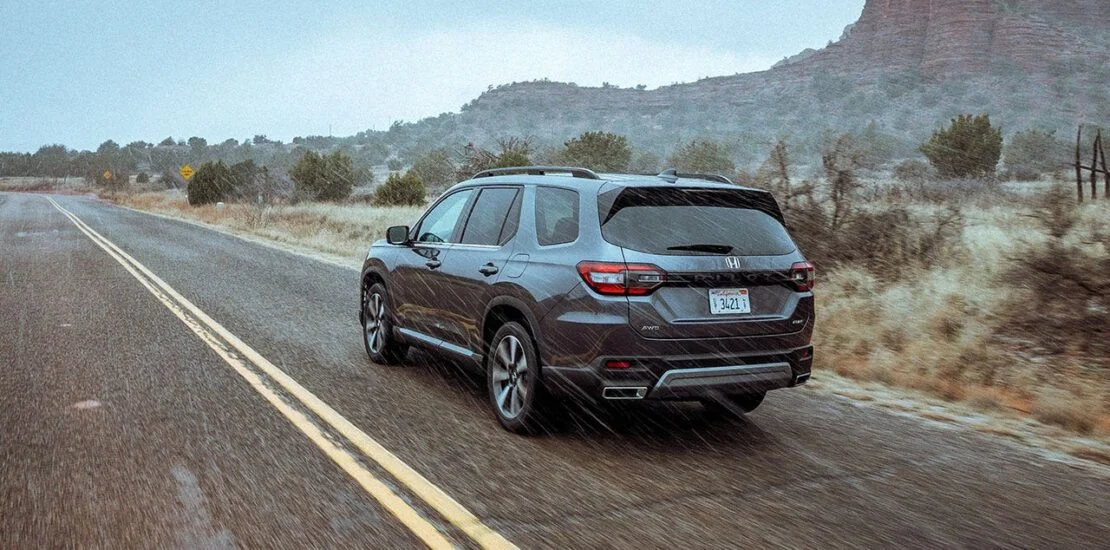
Honda Motor recently made headlines for a significant financial setback, marking the first time since its 1957 stock market debut that the company reported an annual loss. For everyday consumers, this development raises questions about the future of car ownership and the automotive industry at large, especially as Honda grapples with shifting demand for electric vehicles (EVs).
The Electric Vehicle Challenge
Honda’s recent struggles are largely tied to its investments in the electric vehicle market. In an official statement, the company attributed a staggering $9 billion in restructuring costs to low demand for its EVs, compounded by changing political landscapes. Under President Donald Trump, incentives for electric vehicle purchases have been reassessed, leading to diminished sales expectations. The company had aimed for electric vehicle sales to account for 20% of its profits by 2030, but that goal has recently been abandoned.
CEO Toshihiro Mibe detailed that Honda suffered a net loss of $2.7 billion, a change that reflects broader trends in the market for electric vehicles. “EV demand has declined considerably,” Mibe noted, highlighting concerns over federal policies and environmental regulations that have impacted consumer interest. This dramatic shift pivots Honda’s focus back to traditional vehicles as it reassesses its strategy.
Motorcycle Sales Steady the Ship
Despite this financial turmoil, Honda found some refuge through increased motorcycle sales. With approximately 20 million more units sold than the previous year, Honda reported a slight revenue increase, ultimately totaling $138 billion from the last fiscal year. The company’s versatility as a leading motorcycle manufacturer in various markets, particularly India, has played a crucial role in balancing out the losses from automobile sales.
In total, Honda sold about 3.4 million vehicles globally, a decline from 3.7 million the previous year. This downturn, paired with the challenges of entering the electric vehicle market, has prompted Honda to refocus on its well-established motorcycle segment.
Future Strategies and Forecasts
Looking ahead, Honda is optimistic about regaining profitability. The company is predicting a $1.7 billion profit for the fiscal year ending March 2027. Despite the losses related to its electric vehicle operations—projected to reach around $16 billion—Honda remains committed to developing advanced technologies, including electric vehicle batteries.
CEO Mibe expressed confidence in Honda’s versatility, stating that the company will continue aiming for carbon neutrality while also improving traditional gasoline-engine models. This signals to consumers that Honda is not abandoning electric vehicles entirely but is rather taking a more cautious approach to expand its lineup gradually.
What this means for you
For consumers, Honda’s struggles underscore the unpredictable nature of the automotive market, especially regarding electric vehicles. As companies navigate new regulations and changing consumer preferences, it’s important to stay informed about your buying options. If you ever need to review a car purchase contract, AI legalese decoder can help decode the fine print into plain English.
Need to decode legal language? Try the free AI Legalese Decoder — no registration required.

 ****** just grabbed a