
GOP Tariff Division Poses Risks to Small Manufacturer Expansion
- May 19, 2026
- Posted by: Alex Reed
- Category: Related News
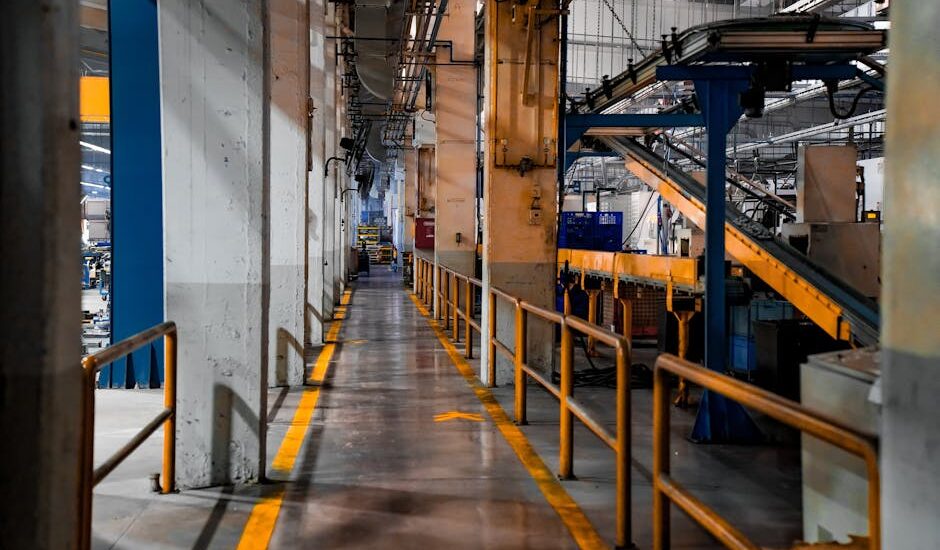
The future of American manufacturing is at a crossroads, and it affects everyone. Decisions made now could impact the prices of goods and job opportunities for average workers.
Senate Hearing Shines Light on Manufacturing Challenges
On May 13, 2026, the Senate Small Business and Entrepreneurship Committee held a significant hearing aimed at exploring the role of small manufacturers in celebration of America’s 250th anniversary. Among the key discussions was a stark divide among Republican members about tariffs on imported manufacturing equipment. A GOP witness raised concerns that these tariffs are restricting local production growth.
The hearing took on a dual purpose: It celebrated the heritage of American manufacturing while addressing current challenges. Chaired by Senator Joni Ernst (R-IA), participants included not only Republicans but also Democrats who highlighted the need for updated trade and budget policies. Both parties aimed to illuminate ways to encourage manufacturing in the U.S., but they differed on how to achieve this.
Conflicting Views Within the GOP
A pivotal moment in the hearing occurred when Senator Rand Paul (R-KY) questioned witness Zahler, who represents a manufacturing company. Zahler expressed support for tariffs as a method to protect American businesses from competition, particularly related to Chinese products. However, he noted that the same tariffs were hindering his company’s efforts to import specialized machines from Germany—equipment not available domestically. Paul suggested that the government should reconsider the current tariff system, highlighting a conflict within Republican ranks about its effectiveness.
During the discussions, other witnesses underscored the risks of cutting essential programs, such as the Manufacturing Extension Partnership, which are crucial for maintaining American industrial strength. They warned that many small companies that invested in advanced technology lost money due to inadequate management systems.
Legislative Proposals and Their Impacts
Senator Ernst took the opportunity to advocate for the bipartisan Made in America Manufacturing Finance Act. This legislation aims to increase the Small Business Administration’s loan limits for manufacturers from $5 million to $10 million. While many supported the idea, experts cautioned that merely having access to capital wouldn’t resolve deeper issues. For example, Zahler pointed out that companies often struggle to afford the necessary systems to implement new technologies.
Critics of the administration voiced their concerns as well. For instance, Senator Markey warned that significant cuts proposed for the Small Business Administration could threaten the very manufacturing sector the hearing aimed to support. The potential impacts of these proposed budget cuts are being closely monitored.
The Complexity of Modern Manufacturing
While Zahler praised some of the administration’s regulatory reforms and tax benefits, he also illustrated the complexities of modern manufacturing. His business, which operates as a union shop, has benefitted from certain tax provisions, such as the no-tax policy on overtime. Yet, he also highlighted the paradox of needing help to succeed despite benefiting from current policies.
The hearing underscored that while both parties agree on the necessity to bolster American manufacturing, their proposed solutions vary dramatically. The acknowledgment that small manufacturers require more than just financial support is critical. It underlines the importance of a holistic approach involving training, technology integration, and affordable access to resources.
What this means for you
For average consumers, the outcome of these legislative discussions could lead to more stable job markets and potentially lower prices for goods, depending on how support for manufacturing unfolds. If you ever need to review contracts related to employment or services, AI legalese decoder can help decode the fine print into plain English. Understanding these agreements can help you navigate your rights and responsibilities effectively.
Need to decode legal language? Try the free AI Legalese Decoder — no registration required.
Source: https://legis1.com/news/gop-tariffs-small-manufacturers-split-over

 ****** just grabbed a