
GM CEO Mary Barra on Driving Innovation in American Business
- June 4, 2026
- Posted by: Alex Reed
- Category: Related News
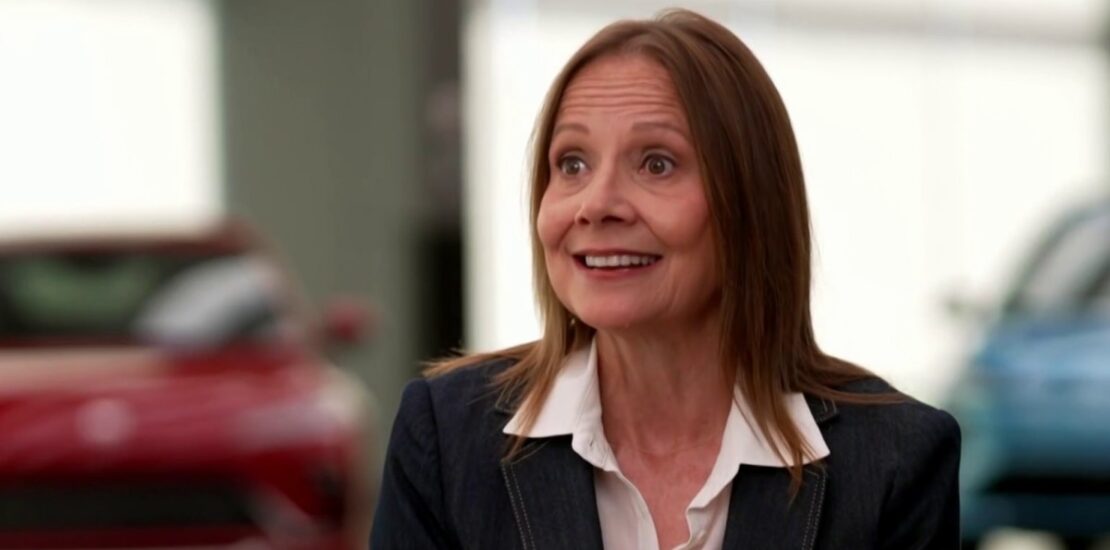
In the rapidly evolving world of business, the intersection of leadership and technology is vital for everyday consumers. The insights from top CEOs can shape what we buy, how we invest, and even how industries transform.
## The Big Picture
Christine Romans from NBC News recently spoke with Mary Barra, the CEO of General Motors (GM), about the future of the automobile industry. Barra discussed how artificial intelligence (AI) is changing the way cars are manufactured. This is particularly important as consumers are becoming more reliant on technology in their vehicles. From enhanced safety features to improved fuel efficiency, the impact of AI is far-reaching.
Barra expressed that GM is investing heavily in AI to create better vehicles. She noted that AI aids in designing, testing, and building cars more effectively. This focus on innovation is crucial as car companies face stiff competition, especially from tech-driven companies like Tesla. By adopting AI, companies like GM are looking to stay relevant and lead the market.
## Gas Prices and Consumer Behavior
Another topic of discussion was consumer behavior in relation to fluctuating gas prices. Barra pointed out that rising fuel costs are prompting a shift toward electric vehicles (EVs). Many customers are rethinking their needs and purchasing decisions based on fuel efficiency. It’s a significant time, as GM aims to provide a wider range of electric models to meet this growing demand.
As gas prices continue to soar, consumers want vehicles that are not only affordable but also environmentally friendly. GM, under Barra’s leadership, is striving to reshape its lineup to feature more EVs, appealing to eco-conscious buyers.
## Competition with China
The conversation also addressed the challenge posed by Chinese manufacturers. With China making strides in electric vehicle production, GM must find ways to remain competitive. Barra emphasized the importance of innovation, not only in production but also in supply chain management.
Despite these pressures, Barra remains optimistic about the future. She believes that collaboration within the industry can lead to advancements that will benefit all manufacturers and consumers alike. By fostering partnerships and focusing on sustainability, GM aims to maintain its status as a leading player in the automotive market.
## A Shift in Business Strategy
Barra’s approach to leadership reflects a commitment to adapting to the changing landscape of the automobile industry. By leveraging AI and addressing consumer concerns about gas prices and environmental impact, GM is positioning itself for success.
For everyday consumers, this means more choices in the marketplace. As companies innovate, individuals can expect to see improved vehicle features, better prices, and an overall positive impact on the environment. The focus on electric and AI-driven vehicles will ultimately change how people think about transportation.
## What this means for you
In general, this shift towards electric vehicles and AI innovation means that consumers are likely to see more affordable options in the market. For those navigating the complexities of vehicle purchase agreements, understanding the terms is crucial. If you ever need to review vehicle purchase contracts, legal-document-to-plain-english-translator/”>AI legalese decoder can translate it into plain English in seconds.
Need to decode legal language? Try the free AI Legalese Decoder — no registration required.
Source: https://www.nbcnews.com/nightly-news/video/business-in-america-gm-ceo-mary-barra-264546885803

 ****** just grabbed a