
Floating LNG Platform Achieves $5B Financing Milestone
- June 6, 2026
- Posted by: Alex Reed
- Category: Related News
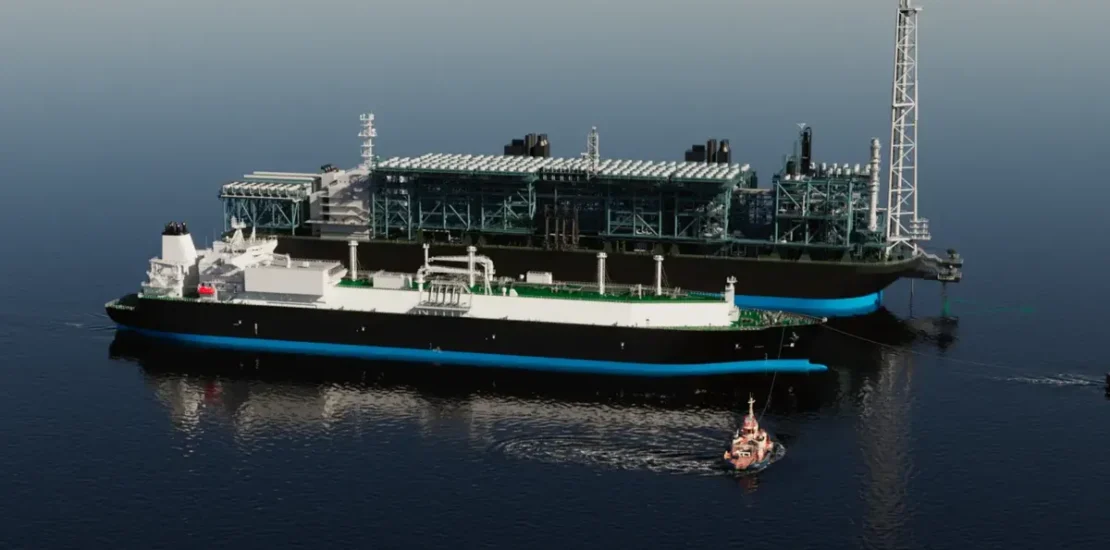
A major new project is on the horizon that could change the landscape of natural gas exports in the U.S. A Louisiana company has secured $5 billion in funding to build the nation’s first floating liquefied natural gas (LNG) export terminal. This development matters because it could impact energy prices and job opportunities for many Americans, especially in Louisiana.
### Louisiana’s Growing Role in LNG
Delfin Midstream, based in Houston, has plans to construct the largest floating LNG facility in the world off the Louisiana coast. This terminal will be linked to an undersea pipeline that the company intends to repurpose. The pipeline will transport natural gas from onshore locations to a platform about 40 miles off the coast of Cameron Parish.
As it stands, Louisiana is becoming a significant player in the global LNG market, already housing four functioning export terminals. The recent announcement marks the third new project to receive a final investment decision this year alone. Experts believe that the state might have the highest capacity for LNG exports anywhere in the world.
### Production Goals and Project Timeline
The floating facility is set to initially produce 4.4 million tons of LNG each year. This amount is enough to power approximately 3 million homes for a year. Delfin hopes to increase this capacity to 13.2 million tons, which would be substantial compared to Louisiana’s other major facilities.
Delfin’s CEO described this financial backing as a “monumental achievement,” mainly due to commitments from investors like Global Infrastructure Partners. The project has been in the works for over ten years and, after facing regulatory delays, is finally poised to move forward. Initial construction is expected to begin soon, with production anticipated to start by 2030.
### Navigating Challenges Ahead
While the project appears to be on track, it does face several hurdles. The floating terminal will need access to existing pipelines and dependable suppliers of natural gas. This is not just any operational project; it must prove reliable and efficient to attract long-term buyers. Critics argue that it may not work in every location, as it requires specific conditions to succeed.
legal and environmental challenges also loom. Environmental groups have filed lawsuits to contest the project’s license, emphasizing concerns about the endangered Rice’s Whale and the lack of proper environmental reviews. As the case moves through the courts, expert opinions suggest that these lawsuits may face a tough battle, especially given recent Supreme Court decisions limiting environmental reviews.
### What this means for you
For everyday Americans, this project could translate into job opportunities and shifts in energy prices. If you ever need to review documents related to energy contracts or agreements, legal-document-to-plain-english-translator/”>AI legalese decoder can translate it into plain English in seconds. Understanding these developments can help you make informed choices about your energy consumption and its broader impacts on the economy.
Need to decode legal language? Try the free AI Legalese Decoder — no registration required.

 ****** just grabbed a