
First Nations Gain Financial Literacy Through New Partnership
- June 11, 2026
- Posted by: Alex Reed
- Category: Related News
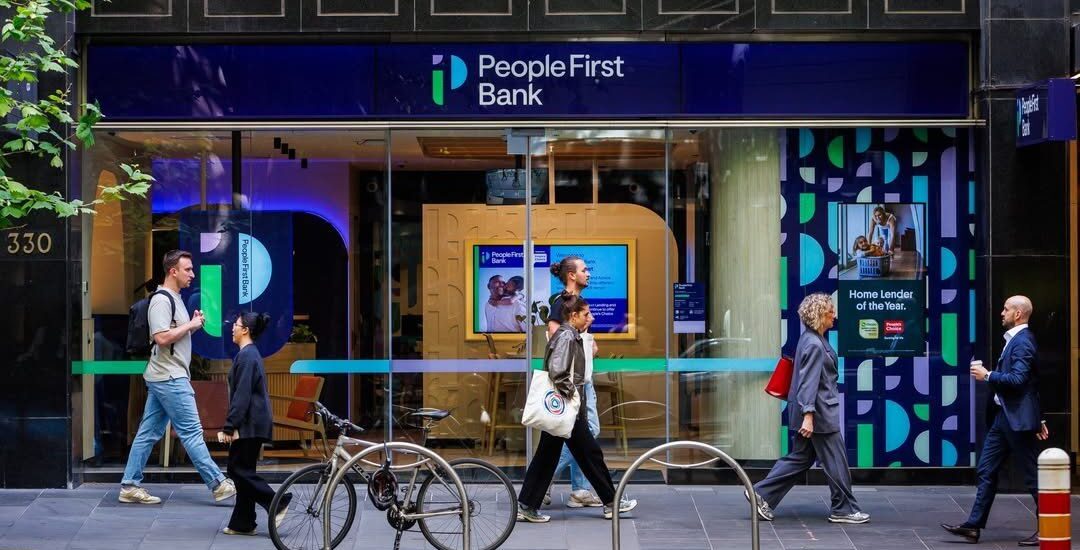
People First Bank recently announced an important partnership with the First Nations Foundation. This collaboration aims to improve financial literacy among Aboriginal and Torres Strait Islander peoples in Australia, making financial knowledge more accessible and supporting community empowerment.
A Step Towards Financial Empowerment
This partnership comes at a crucial time, as ongoing efforts for reconciliation spotlight the need for better financial education in underserved communities. With a two-year agreement in place, People First Bank is committed to supporting various programs focused on practical education and outreach. This effort is not just about teaching people how to handle money; it’s about giving communities the tools they need to thrive and make informed financial choices.
The First Nations Foundation is dedicated to improving long-term financial health. Their initiatives are grounded in fairness and accountability, which are essential values for achieving meaningful change. Leah Bennett, the CEO of the Foundation, emphasizes that this partnership strengthens their existing programs, including the flagship “Financial Wellness Outreach” initiative that aims to foster financial well-being in First Nations communities.
What the Partnership Offers
The collaboration will support several key programs: the My Money Dream online financial literacy program, the Train the Trainer program, and Financial Wellness Outreach events. Each of these initiatives is designed to build financial skills and knowledge within communities, fostering an environment where individuals can create their own successful financial stories.
Bennett stated, “This is only the beginning of a powerful, culturally informed relationship.” The goal is to create a framework that not only educates but also respects Indigenous culture and values. By leveraging both organizations’ strengths, they aim to deliver programs that are accessible and meaningful.
Corporate Responsibility in Action
People First Bank’s Chief Customer Officer, Maria-Ann Camilleri, highlighted the bank’s commitment to empowering Aboriginal and Torres Strait Islander peoples. This partnership aligns with their Reconciliation Action Plan, which aims to spark positive change through financial literacy.
The bank’s contributions will support curriculum development and enhance digital platforms used for education. There are also plans for direct community involvement, where bank employees will help facilitate discussions around financial well-being and provide hands-on banking guidance.
Camilleri noted the significance of employing local outreach activities, saying, “We’re delighted to be working with the First Nations Foundation to help deliver grassroots programs that have meaningful impacts for people’s futures.” This level of engagement ensures that the initiative is not only about education but also about creating lasting relationships with the communities served.
What this means for you
Understanding financial documents can be daunting, but initiatives like these aim to change that by improving financial literacy. Whether it’s reviewing your bank statements or understanding a loan agreement, having financial knowledge today is essential. If you ever need to review financial documents, legal-document-to-plain-english-translator/”>AI legalese decoder can translate it into plain English in seconds. Empowering yourself with knowledge is the first step toward making informed financial decisions.
Need to decode legal language? Try the free AI Legalese Decoder — no registration required.
Source: https://nit.com.au/12-06-2026/24777/partnership-backs-first-nations-financial-literacy

 ****** just grabbed a