
Ferguson Signs Executive Order for Menopause Workplace Support
- June 2, 2026
- Posted by: Alex Reed
- Category: Related News
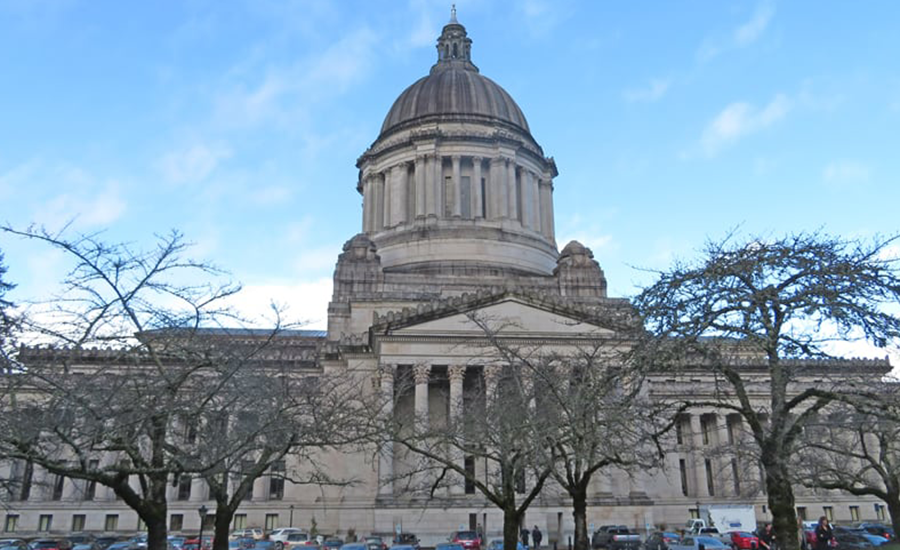
Working women may soon find relief from workplace challenges associated with menopause. In a significant move, Washington’s Governor Bob Ferguson has issued an executive order aimed at creating a more supportive environment for female employees experiencing this natural life transition.
H2: Why This Change is Necessary
Menopause affects a substantial number of women, particularly those aged between 40 and 59. Symptoms can include insomnia, brain fog, and hot flashes, which can severely impact day-to-day work life. Approximately 40% of working women in Washington belong to this age group, highlighting the need for accommodations. Reports indicate that two in five women have considered leaving their jobs due to menopausal symptoms, and one in four have hesitated to pursue leadership roles.
Governor Ferguson emphasizes that the loss of experienced women from the workforce is a significant issue. In his statement, he pointed out, “We are losing women in the workforce with tremendous knowledge and experience because we are not doing enough to prepare for a natural stage of life.” This speaks to a broader trend of women, particularly those of color, entering menopause earlier, further stressing the urgency for workplace policy changes.
H2: Key Features of the Executive Order
The executive order mandates that state agencies collaborate with the Washington State Women’s Commission. Their task is to develop guidelines and training resources for both public and private employers. The goal is to help these organizations implement practical measures to support their employees. Recommended changes include options for teleworking, flexible dress codes, and better access to cold water and temperature control in work areas.
Governor Ferguson’s approach encourages a review of existing policies and practices to identify areas for improvement. The inclusion of experts, such as those from the Department of Health and the Health Care Authority, indicates a commitment to thorough research and informed recommendations. This plan could help ensure that women are not only retained in the workforce but are also provided an environment conducive to their health and productivity.
H2: Broader Implications for the Workforce
This initiative is not just about accommodating women going through menopause. It reflects a changing perspective in workplace policies regarding health and well-being. Brittany Gregory, the Executive Director of the Washington State Women’s Commission, remarked that menopause has been largely overlooked in workplace policies until now. She argued that implementing these changes would serve the best interests of both employees and employers.
By making accommodations for menopausal symptoms, companies can retain experienced staff and foster an inclusive culture. This approach can lead to improvements in employee satisfaction and productivity. Moreover, it sends a powerful message that the workplace is evolving to meet the needs of its diverse workforce.
H2: What this means for you
Understanding the new policy changes could be essential for employees and employers alike. Here are a few key takeaways:
– If you’re a working woman approaching menopause, know that supportive workplace policies may soon include options like flexible hours or environmental controls to ease symptoms.
– For employers, adopting these new guidelines can bolster morale and retention while reducing the impact of turnover.
If you ever need to review employment contracts or related documents, legal-document-to-plain-english-translator/”>AI legalese decoder can translate it into plain English in seconds.
Need to decode legal language? Try the free AI Legalese Decoder — no registration required.

 ****** just grabbed a