
Exploring the Future of ’60 Minutes’ with Nick Bilton’s Vision
- May 29, 2026
- Posted by: Alex Reed
- Category: Related News
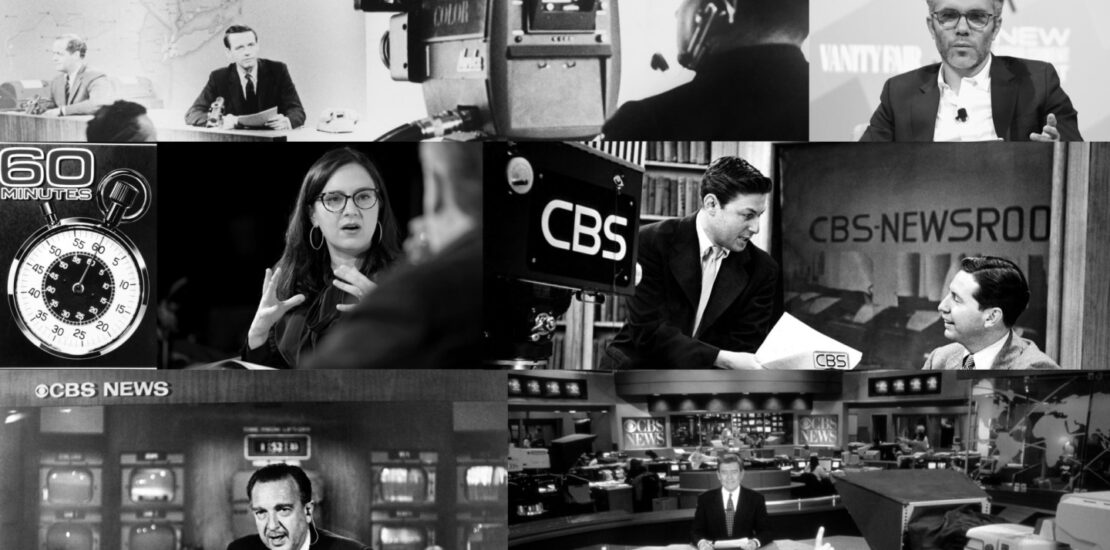
When it comes to national news, few programs have the prestige of 60 Minutes. Recently, the show announced a major overhaul in its leadership, shaking up not just its team, but also its future vision, aiming to adapt to how younger audiences consume news.
New Leadership and Changes Ahead
Nick Bilton, once a leading journalist and now a screenwriter, has stepped in as the new executive producer of 60 Minutes. His appointment followed the removal of Tanya Simon and several key correspondents, signaling a significant shift. Bilton admits he wasn’t actively seeking a return to journalism, but the opportunity compelled him to rethink his path. He believes there’s potential to expand 60 Minutes beyond the traditional TV format.
Bari Weiss, the new editor-in-chief at CBS News, is eager to reshape the program. She and Bilton are focused on making 60 Minutes more relevant for audiences who get their news primarily online and through social media. They aim to meet viewers where they are—whether that’s TikTok, YouTube, or streaming services—rather than relying solely on Sunday night broadcasts.
Adapting to a Changing News Landscape
As the news industry faces challenges from misinformation and changing viewer habits, CBS executives stress that adapting is essential. They pointed out that news consumption is fragmented and often driven by sensationalism. Bilton intends to diversify the program’s reach, producing content suitable for various platforms. He believes that instead of the audience coming to find the show, the show should actively seek its audience.
This is not the first time 60 Minutes has attempted a format change. A previous effort involved producing content for the short-lived Quibi platform, which was ultimately rebranded as 60 Minutes+ for Paramount+. Although this past attempt didn’t lead to a second season, it did indicate a willingness within CBS to explore new formats and delivery methods.
Concerns Over Editorial Independence
As with any major shift, the changes have ignited concerns among the remaining staff. Some correspondents worry about how these decisions might affect journalistic integrity. Recent departures highlight a troubling trend; correspondents have expressed fear over censorship, claiming they’ve been pressured to avoid specific topics to appease corporate interests.
Cecilia Vega, one of the correspondents let go, articulated this concern in a fiery statement, suggesting that the push for political neutrality at CBS could dilute the program’s quality. She emphasized that true journalism often involves challenging authority, which may conflict with corporate pressures.
Bilton has responded by asserting that accountability and investigative journalism will remain at the heart of the show’s mission. He aims to reshape how stories are told while maintaining their core purpose.
What This Means for You
The shifts happening at 60 Minutes could influence how news is presented and consumed in the broader media landscape.
- As a viewer, this might mean access to news stories on platforms you regularly use, allowing for greater convenience in staying informed.
- If you find yourself reviewing contracts or agreements, like employment contracts or lease agreements, AI legalese decoder can help you translate them into plain English quickly and easily for a better understanding of the terms.
Stay tuned to see how these changes unfold and what they may mean for the future of investigative journalism in America.
Need to decode legal language? Try the free AI Legalese Decoder — no registration required.

 ****** just grabbed a