
Ewa Tenants Face Long Delay in Rent-to-Own Promises
- July 3, 2026
- Posted by: Alex Reed
- Category: Related News
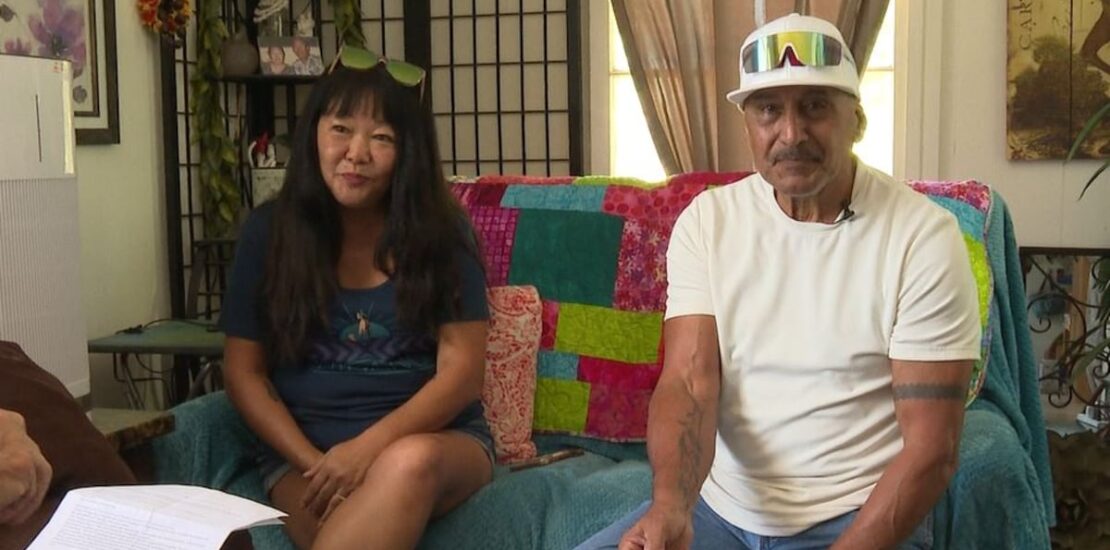
Residents of a rent-to-own housing program in Ewa are raising alarms about unfulfilled promises that they would eventually own their homes. The situation highlights how important it is for renters to be aware of their rights and the commitments made by housing organizations.
Residents Voice Their Concerns
Walter Saragosa and Wendy Broxson, both tenants at Tenney Village, share a troubling story. They joined a nonprofit program called the Pacific Housing Assistance Corporation, believing they would have the chance to buy their homes. This promise was based on information still visible on the organization’s website, stating that qualified moderate- and low-income workers could rent and eventually own a renovated plantation house.
Saragosa and Broxson followed the program’s guidelines. They kept their properties maintained and adhered to community rules. They even completed a homeownership certificate course, which was part of the process. Saragosa mentioned that projected sale prices were listed between $140,000 and $145,000, making the prospect of homeownership seem attainable.
Both residents applied to the program, Saragosa in 2000 and Broxson in 2017. Now, years later, they find the lack of opportunity to buy disheartening.
Mix of Hope and Frustration
Their experience led to missed opportunities for homeownership over the years. Broxson expressed her concern, noting the difficult situation she faces alone without anyone else on her lease. “If I croak, all my hard work was for nothing,” she stated, emphasizing the emotional weight of the situation.
The city’s response to the residents’ grievances has been met with skepticism. City officials claimed that 47 properties were designated as affordable rentals with an option to buy, but stated that no participants met eligibility criteria. Saragosa vehemently disagreed with this assessment, labeling the city’s statement as “BS,” indicating his profound frustration.
The residents believe they have met the requirements for the program, especially given that numerous properties remain under Pacific Housing’s ownership on their block.
City and Nonprofit in Review
In light of these complaints, the city says it is currently reviewing records alongside the Pacific Housing Assistance Corporation. The aim is to assess the situation and explore the possibility of reviving the rent-to-own program. Although the residents are cautiously optimistic, Saragosa remarked that the city doesn’t seem to have clear answers yet.
While it’s important for officials to validate the claims of residents, the city’s Department of Community Services has asked for patience as they sift through the paperwork. They want to ensure they provide a meaningful answer about the program’s future.
Many residents find hope in the idea that their pleas are being listened to. However, the uncertainty surrounding the program raises serious concerns about transparency and accountability from both the city and the housing organization.
What this means for you
This situation serves as a reminder of the importance of understanding housing programs and contracts. If you ever need to review rental or housing agreements, legal-document-to-plain-english-translator/”>AI legalese decoder can translate it into plain English in seconds. Always make sure you know your rights as a tenant and the commitments made by landlords or nonprofit organizations.
Need to decode legal language? Try the free AI Legalese Decoder — no registration required.
Source: https://www.hawaiinewsnow.com/2026/07/04/rent-to-own-promise-delayed-years-ewa-tenants/

 ****** just grabbed a