
DOJ Indicts Former FBI Director James Comey in Major Case
- April 28, 2026
- Posted by: Alex Reed
- Category: Related News
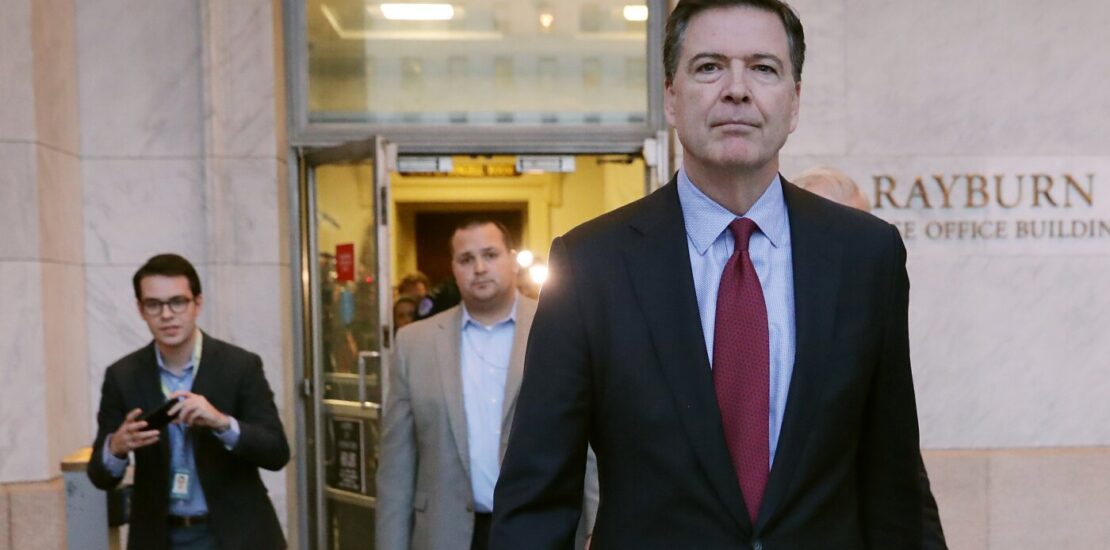
The recent indictment of former FBI Director James Comey by the Justice Department has sent shockwaves through the political landscape. This case highlights the intersection of free speech, social media, and legal accountability, making it significant for everyone—not just legal experts.
## What Happened?
James Comey faces serious charges for allegedly threatening President Donald Trump through a social media post. The indictment outlines two counts related to a photo he posted on Instagram. The image shows seashells arranged to spell “8647.” The number “86” is known in slang to suggest getting rid of something, while “47” connects to Trump as the 47th president. A grand jury believes that these numbers could easily be perceived as a threat against the President.
According to the indictment unsealed in the U.S. District Court for the Eastern District of North Carolina, Comey “knowingly and willfully” made what could be interpreted as a threat. The case has drawn attention not only for its charges but also for the implications regarding free speech rights in a digital age. The Department of Justice is taking a firm stand, stating that threats against the President will not be tolerated.
## legal Repercussions
If convicted, Comey could face a maximum of 10 years in prison for each count. Acting Attorney General Todd Blanche emphasized the seriousness of the allegations. He noted that the Justice Department has prosecuted several similar cases in the past, reinforcing the precedent for taking threats against public figures seriously.
The indictment has sparked debates about whether Comey’s post constitutes a legitimate threat or falls under protected political speech. While some legal experts argue that Comey’s actions were within the bounds of free expression, others, including Blanche, draw a clear line against threatening the President.
## Public and Political Reactions
The political ramifications of this case are significant. Comey has long been a critic of Trump, especially after his dismissal in 2017 amidst the investigation into Russian election interference. This context adds layers to the perception of Comey’s actions. In a Substack video responding to the indictment, he stated, “I’m still innocent, I’m still not afraid,” while pledging to contest the charges.
Comey’s supporters claim that the indictment is more about silencing dissent than enforcing law. They argue that his intentions were misunderstood and that he simply aimed to send a political message, not a violent one. Yet, faces of the Trump administration, including Donald Trump Jr., have voiced their views, accusing Comey of condoning violence against the President.
## The Broader Impact
The timing of this indictment raises questions about the motivations behind it. Critics assert that it reflects the Justice Department’s increasing focus on individuals who oppose Trump. The previous efforts to indict Comey had been dismissed by a federal judge due to procedural issues, but this recent indictment signals that the DOJ is keen on making a statement.
Blanche has insisted that the DOJ will not shy away from holding individuals accountable for such actions. This stance could have a chilling effect on free speech, especially in a society where social media plays a significant role in public discourse.
## What this Means for You
This case illustrates the tightrope walk between free speech and legal repercussions in the digital age. When expressing opinions online, it’s crucial to be aware of how even seemingly harmless posts can be interpreted. If you ever need to review social media policies or understand potential legal language, legal-document-to-plain-english-translator/”>AI legalese decoder can help translate it into plain English in seconds.
Need to decode legal language? Try the free AI Legalese Decoder — no registration required.
Source: https://www.npr.org/2026/04/28/nx-s1-5803167/james-comey-indictment

 ****** just grabbed a