
Designer files lawsuit against Kim Kardashian’s Skims over name use
- May 1, 2026
- Posted by: Alex Reed
- Category: Related News
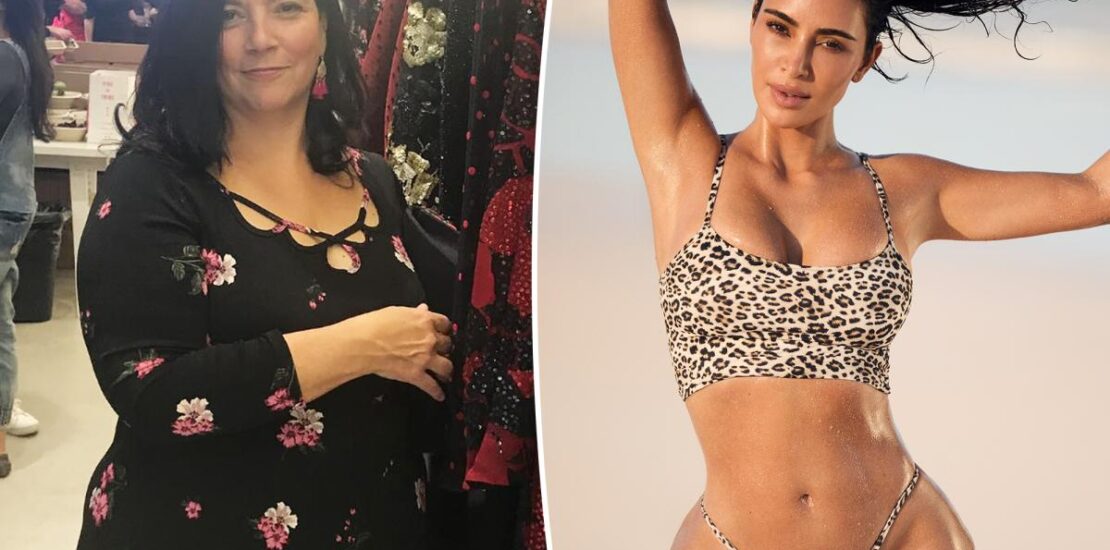
Kim Kardashian’s Skims brand is facing a lawsuit that could impact small businesses everywhere. A New York designer claims that Skims has unlawfully used the name "Fits Everybody" for its shapewear line, potentially overshadowing her brand.
A Trademark Dispute Unfolds
The legal battle centers around a trademark infringement lawsuit filed by Denise Cesare, who owns the smaller apparel brand Fits Everybody To A T. According to documents, she has been using that name for nearly ten years. Cesare argues that despite having received multiple notices about her rights to the name, Skims went ahead and launched its Fits Everybody collection anyway. The lawsuit indicates that Skims has not only disregarded Cesare’s ownership but also perceived that she would lack the resources to contest their brand.
Cesare’s complaint seeks to prevent Skims from using the name and demands compensation, including legal fees and any profits generated from the alleged infringement. This case highlights the challenges small businesses often face when up against larger corporations.
Overwhelming Resources vs. Small Business Grit
Lawyers for Cesare accuse Skims of making a "calculated decision" to use the similar name, leveraging their substantial financial and marketing power. The documents assert that Skims assumed it could "simply outspend, out-market, and outlast" any legal challenge posed by a smaller company. This situation is an instance of what legal experts call "reverse confusion," where a larger entity adopts a name similar to a smaller established brand, creating confusion in the marketplace.
The lawsuit claims that as a result of the name similarity, consumers searching online for Cesare’s brand are finding it "effectively invisible" due to the overwhelming presence of Skims.
The Burden on Small Businesses
Denise Cesare’s legal team emphasizes that trademark law does not discriminate based on size or celebrity status but focuses on who was first to use a name in commerce. This principle becomes crucial as the lawsuit will likely turn on established trademarks and the timeline of usage.
Despite attempts to resolve the matter amicably, including previous notifications to Skims, Cesare felt she had no choice but to file a lawsuit to protect her brand. She has two active federal trademarks—one dating back to 2016—making her position stronger in this dispute.
The United States Patent and Trademark Office (USPTO) had previously rejected Skims’ trademark application, citing "a likelihood of confusion" with Cesare’s established brand. Yet, Skims continued to market their collection, reportedly generating substantial revenue even after being warned about the potential legal implications.
Potential Outcomes and Industry Implications
The case serves as a significant reminder of the balance between creativity and intellectual property rights in the fashion industry. If Cesare wins, it could set a precedent for how smaller brands can defend themselves against larger corporations. At the same time, it may prompt bigger companies to think twice before proceeding with names that are similar to those already in use by smaller players.
As more details emerge, both brands will be under scrutiny. The outcome can change not just their business trajectories but also reinforce the importance of protecting trademark rights in an increasingly competitive marketplace.
What this means for you
This lawsuit highlights the importance of understanding trademark rights and the challenges small businesses face when larger brands enter their space. If you ever need to review trademark-related documents, legal-document-to-plain-english-translator/”>AI legalese decoder can translate it into plain English in seconds. Understanding these laws can help protect your business from potential infringements.
Need to decode legal language? Try the free AI Legalese Decoder — no registration required.

 ****** just grabbed a