
Dallas-Fort Worth Researchers Identify Ancient Dinosaur Era Species
- May 22, 2026
- Posted by: Alex Reed
- Category: Related News
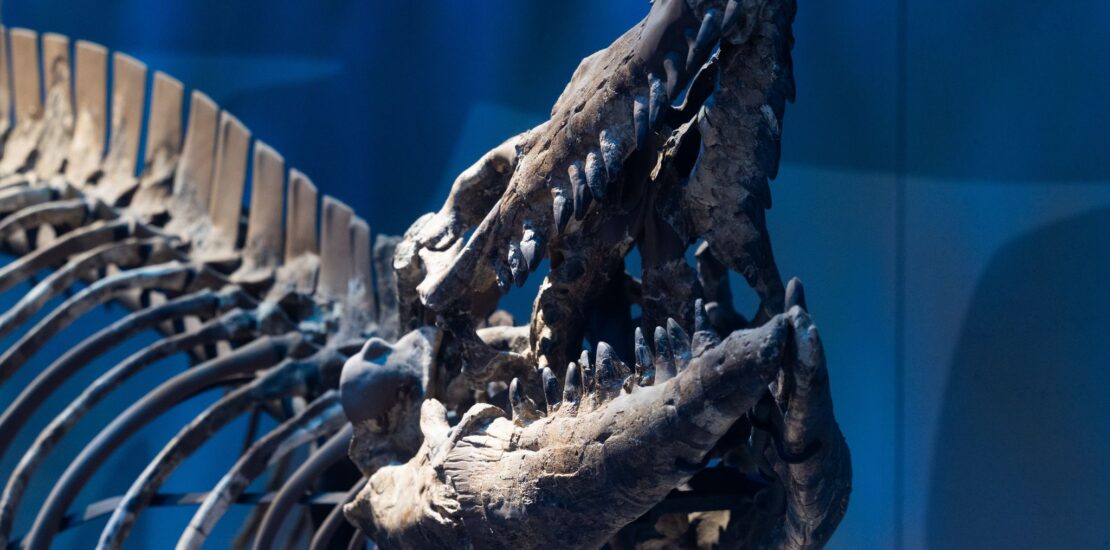
Imagine discovering a giant sea lizard the size of a school bus while on a family outing! This thrilling find not only fascinates paleontologists but also reveals crucial insights into Earth’s past, shaping our knowledge of the natural world.
A New Addition to the Family of Mosasaurs
Researchers at the American Museum of Natural History, along with partners from the Perot Museum of Nature and Science and Southern Methodist University, recently announced the discovery of a new species, Tylosaurus rex. This marine reptile, which lived alongside the dinosaurs, measured between 25 and 45 feet long. Previously classified as Tylosaurus proriger, T. rex stands out due to its unique serrated teeth, larger size, and stronger muscles. This creature roamed the waters of North Texas millions of years ago and faced extinction after a massive asteroid impact 66 million years ago.
Dr. Barry Albright, a professor emeritus and expert in earth science, emphasized the significance of this discovery. Understanding more about ancient species like T. rex allows scientists to explore the diversity of life during the age of dinosaurs. Each new fossil can offer clues about the relationships and adaptations of these fascinating creatures.
The Fossil That Started It All
The T. rex specimen was not unearthed by scientists but was discovered in 1979 during a family boating trip. Nancy Newman and her family found a unique white tip while swimming at Lake Ray Hubbard. Suspecting it may be a fossil, the Newmans contacted the Dallas Museum of Natural History. Curator Charles Finsley quickly recognized the importance of the find, which led researchers to excavate the rest of the skeleton.
This fossil has since been showcased at the Perot Museum and now represents a critical piece of history. Michael Polcyn, a senior research fellow at SMU, noticed its unusual characteristics a decade ago and attributed them to a previously unknown species. This adds excitement to the ongoing exploration of mosasaurs, as each discovery uncovers more about the past.
Citizen Scientists: Important Contributors to Paleontology
Texas plays a pivotal role in fossil discovery, with many new species identified thanks to local collectors and amateur fossil hunters. The T. rex and another notable find, dubbed “The Black Knight,” were both unearthed by non-scientists. Several experts liken these citizen scientists’ roles to that of amateur astronomers, who have also made significant discoveries.
Dr. Takuya Konishi from the University of Cincinnati noted that many species of mosasaurs remain unidentified. The ongoing research will help clarify how these ancient creatures evolved and interacted. Ron Tykoski, a curator at the Perot Museum, acknowledged that the rich geological history of Texas offers a unique snapshot of mosasaur evolution, making it an important region for paleontological studies.
Looking Forward: What Can We Learn?
The implications of this research extend beyond mere curiosity about the past. Tykoski stated that these ancient reptiles show us what nature is capable of and inspire future generations. This is critical, especially for young minds visiting museums. By connecting with these exhibits, children may spark a lifelong love for learning about science and the world around them.
Scientific discoveries like these not only enrich our understanding of evolution but also fuel the imagination. T. rex stands as a powerful reminder of the need to cherish and protect our natural history. Each fossil tells a story, helping us grasp not just what once was, but what could still be.
What this means for you
For anyone curious about their environment or the history of life on Earth, this discovery highlights the importance of scientific research and public engagement. If you ever need to review any legal documents related to natural history exhibits or museum agreements, legal-document-to-plain-english-translator/”>AI legalese decoder can translate it into plain English in seconds.
Stay curious, as the past continually shapes our future!
Need to decode legal language? Try the free AI Legalese Decoder — no registration required.
Source: https://www.dallasnews.com/news/article/perot-museum-new-species-dinosaurs-trex-sea-22264761.php

 ****** just grabbed a