
Cruise Ship Struck by Hantavirus Docked in Tenerife After Outbreak
- May 10, 2026
- Posted by: Alex Reed
- Category: Related News
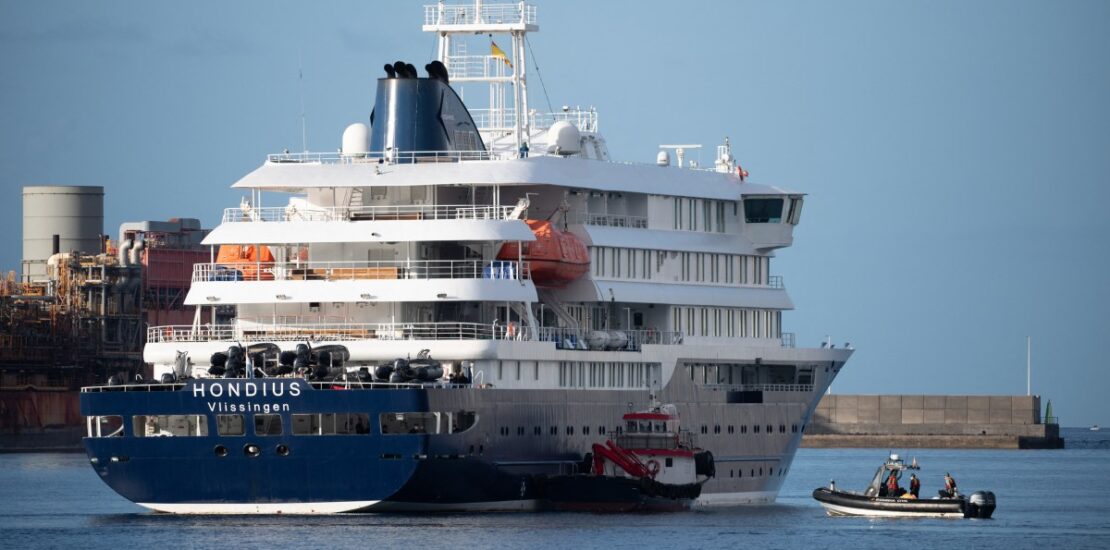
Passengers on a cruise ship off the coast of Spain recently faced a serious health scare due to a hantavirus outbreak. This incident highlights the importance of understanding how health emergencies can arise during leisure activities and the global response that follows.
What Happened on the MV Hondius?
The MV Hondius cruise ship docked near Tenerife, Spain, on Sunday, prompting the evacuation of passengers after several cases of hantavirus were reported. This outbreak has notably affected six passengers, with three tragic fatalities. Two of the deceased were already on the ship, raising concern for the health of remaining passengers and crew.
Health officials quickly set up a medical tent at Granadilla Port, where passengers in personal protective equipment boarded small boats to shore. The urgency of the situation was clear, as the first group of Spanish passengers was flown out just hours after arrival.
Authorities initiated monitoring procedures to ensure no additional risks would unfold during the evacuation. Dr. Maria Van Kerkhove of the World Health Organization (WHO) emphasized the importance of treatment and observation as part of this procedure.
Understanding Hantavirus and Its Risks
Hantavirus is transmitted primarily through contact with rodent droppings or urine. The World Health Organization has clarified that while the hantavirus strain affecting the cruise passengers can spread between people, it occurs mainly through close contact. The first reported case among the passengers suggested exposure during bird-watching activities.
Health officials, including the WHO’s Director-General Tedros Adhanom Ghebreyesus, assured the public that the risk to the broader population remained low. Van Kerkhove additionally confirmed that passengers would be monitored for 42 days from their last known exposure to anyone confirmed to have the virus.
The average age of those on board was around 65, a demographic particularly vulnerable to severe infections. This reality has heightened awareness about safety precautions on travels, especially for older individuals.
Logistics of the Evacuation
The evacuation operation has been described by Dr. Boris Pavlin, a WHO medical epidemiologist, as “extremely efficient.” Passengers were disembarked in small, spaced groups to minimize any risk of contagion among themselves. This systematic approach helped ensure safety for the asymptomatic passengers as they prepared to return home.
Health Minister Monica Garcia of Spain noted that passengers from multiple countries, including the Netherlands, would be evacuated in stages. The next flight included passengers from various European nations, followed by those from the U.S., Australia, and other regions.
The ship will continue its journey toward Rotterdam in the Netherlands for disinfection, and health officials are analyzing the situation to prevent future outbreaks.
What This Means for You
This incident serves as a reminder of how quickly health risks can emerge and the effective measures that can be taken to safeguard public health. Staying informed can help you make safer choices when traveling. If you’re ever faced with a situation involving health forms or travel contracts, legal-document-to-plain-english-translator/”>AI legalese decoder can help translate them into plain English so you can understand your rights and responsibilities.
Need to decode legal language? Try the free AI Legalese Decoder — no registration required.

 ****** just grabbed a