
Cruise Passengers Head to Nebraska After Positive COVID Test
- May 10, 2026
- Posted by: Alex Reed
- Category: Related News
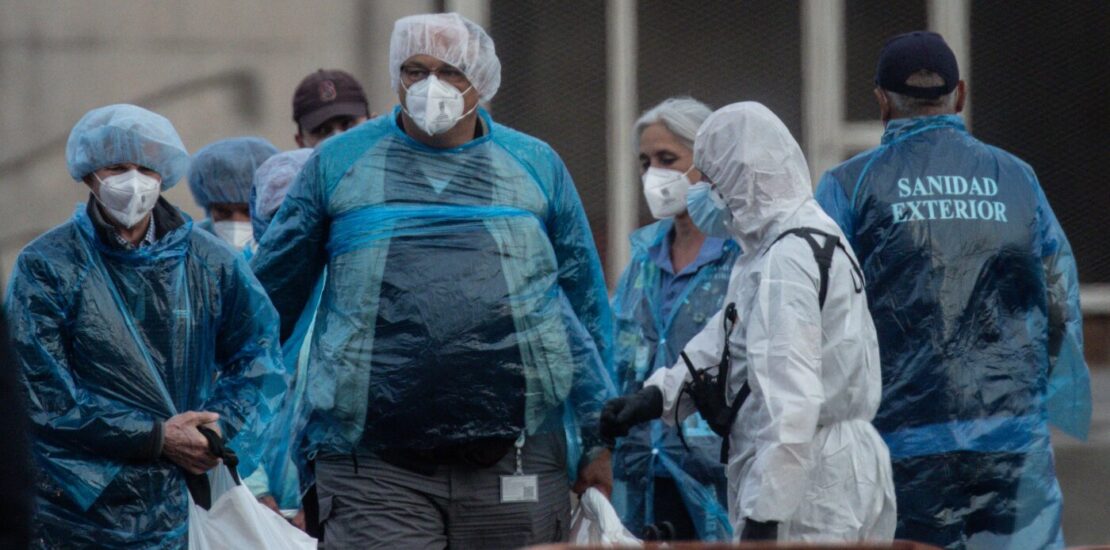
Seventeen U.S. cruise passengers are finally heading home after a harrowing experience aboard a ship linked to a hantavirus outbreak. This story sheds light on how even leisure travel can take a dangerous turn, reminding everyone to stay informed about health risks while traveling.
The Outbreak’s Background
The passengers were aboard the M/V Hondius when the cruise became the center of a serious hantavirus outbreak. This virus has led to at least eight cases that resulted in three fatalities. These figures, reported by the World Health Organization, highlight the potential severity of such outbreaks. The passengers had spent weeks onboard, isolated in their cabins, waiting for the situation to improve.
Two American passengers showed mild symptoms, while one tested “mildly” positive for the virus. This raises concerns about the measures in place to safeguard travelers from potential health risks on cruise ships and similar venues.
Government Response and Repatriation
The U.S. government organized a medical repatriation flight for these individuals to Nebraska. Once they arrived at Offutt Air Force Base, they were quickly transferred to the National Quarantine Unit at the University of Nebraska Medical Center. This facility is known for handling situations similar to this, having previously dealt with passengers from another outbreak, the Diamond Princess Cruise, during the early days of the COVID-19 pandemic.
Dr. Ali Khan, the dean of the College of Public Health at UNMC, reassured the returning passengers, stating they were arriving at a top facility for care. The government’s response has sparked discussions about whether it was adequate and timely, with experts emphasizing the need for better disaster preparedness.
Health Monitoring and Precautions
While most passengers appeared healthy upon landing, the Centers for Disease Control and Prevention (CDC) stressed that symptoms of hantavirus can take up to 42 days to manifest. Hence, ongoing monitoring is crucial. Some individuals may be able to continue their observation at home, with health departments checking in regularly.
Despite the overall low transmissibility of this virus, health officials are taking no chances. They are diligently monitoring the situation, with plans for further assessments on the health of returning passengers. Some other U.S. passengers had already left the ship and are being monitored across various states including Texas and California.
Challenges in Public Health Response
Experts have criticized the initial response from U.S. health authorities, describing it as slow and uncoordinated. Lawrence Gostin, a professor at Georgetown University, noted that the CDC’s response was delayed, even as the situation worsened on the cruise. He called for a more robust approach to infectious disease threats, particularly given that the current outbreak could have escalated rapidly if the virus was highly contagious.
Despite criticism, health officials assert that they are now conducting a coordinated effort to ensure public safety. The ongoing reaction from health agencies may set a precedent for how such public health emergencies are managed in the future.
What this means for you
It’s essential to stay informed and prepared when traveling, especially regarding health risks. Ensure that you understand any liability waivers or health agreements you may encounter during your travels. If you ever need to review documents like these, legal-document-to-plain-english-translator/”>AI legalese decoder can help decode the fine print quickly and easily.
Need to decode legal language? Try the free AI Legalese Decoder — no registration required.
Source: https://www.npr.org/2026/05/10/nx-s1-5817578/hantavirus-cruise-ship-nebraska-us-passengers

 ****** just grabbed a