
Concerns Grow Over Government Involvement in Spirit Airlines Bailout
- April 23, 2026
- Posted by: Alex Reed
- Category: Related News
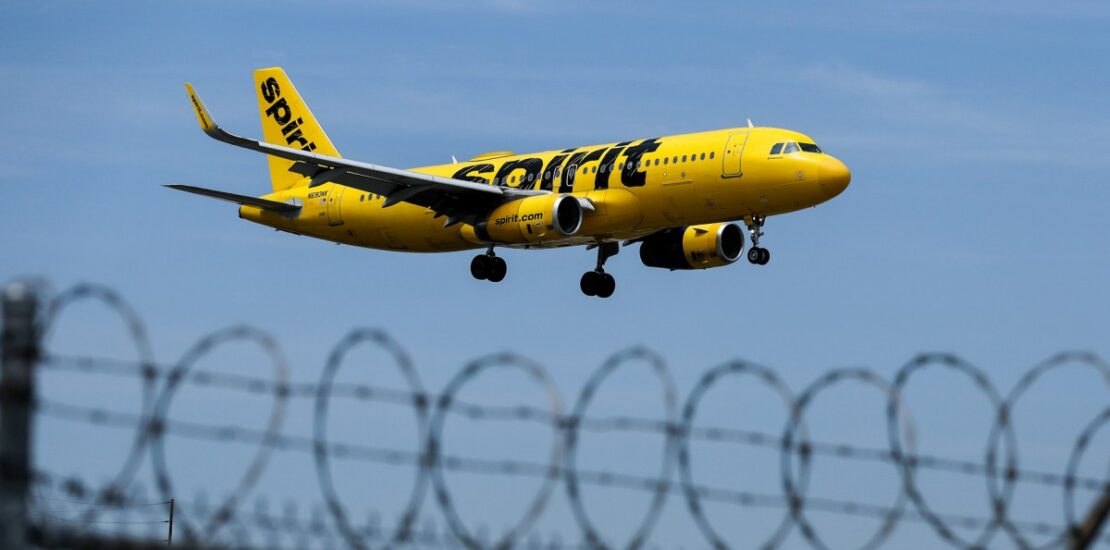
The potential for government intervention in the airline industry is raising significant questions for everyday travelers. A proposed $500 million rescue deal for Spirit Airlines could reshape competition and influence ticket prices. This matters because many families depend on low-cost carriers for affordable travel options.
The Scope of the Proposed Deal
The Trump administration is considering a significant financial package aimed at Spirit Airlines. If approved, the government could end up owning as much as 90% of the airline once it emerges from bankruptcy. This proposal is intended to preserve low-cost travel options, a vital service for many Americans.
However, experts have indicated that this move could set off a troubling chain reaction. Companies teetering on the brink of financial disaster may see this as an opportunity to seek similar assistance. Tad DeHaven, a policy analyst at the Cato Institute, warns that this approach could open a “Pandora’s box” of government-funded bailouts across various sectors.
In recent months, other industries have already started receiving government-backed equity deals. These include companies in technology, mining, and energy, which has led to increased federal involvement in what were once purely private enterprises. If airlines like JetBlue and Frontier perceive that government help will be available for competitors, they may feel pressured to pursue their own financial relief options.
Concerns from Lawmakers and Analysts
The proposed rescue has garnered criticism from various lawmakers. Senator Ted Cruz has labeled the deal as “absolutely TERRIBLE,” while fellow Republican Senator Tom Cotton questioned the wisdom of using taxpayer dollars for such a purpose. Even on Wall Street, analysts are wary. Jamie Baker from JPMorgan suggests that if Spirit receives financial support, other airlines may quickly follow suit.
This could potentially distort competition across the airline landscape. Airlines that have managed to stay financially stable without government support may struggle to compete against a taxpayer-funded Spirit Airlines. This raises the risk of creating an uneven playing field that could hurt travelers in the long run.
The implications also extend beyond the immediate financial impact. DeHaven mentioned that government involvement could blur the lines between regulation and operation, fundamentally altering how airlines compete against each other.
The Role of Low-Cost Carriers
Spirit Airlines has long played a crucial role in providing budget travel options for consumers. Recent financial difficulties, including two bankruptcy filings, have cast doubt on its future sustainability. High fuel costs and the complex web of market dynamics are complicating matters even further.
In 2022, Spirit and JetBlue attempted to merge, but the Biden administration blocked the deal, fearing it would reduce competition. DeHaven believes that if this merger had gone through, Spirit might not be facing such dire financial problems today. As it stands, the future seems uncertain, especially with rising fuel prices linked to global tensions.
President Trump has acknowledged Spirit’s importance, noting the potential loss of 14,000 jobs if the airline fails. His hints at possible government support bring further scrutiny to the situation. However, while a rescue may help Spirit remain in operation, it could also deny marketplace dynamics that benefit consumers.
Implications for the Future
Experts believe that if financial aid is granted to Spirit, it could lead to an unsustainable pattern of dependence on government support across various industries. DeHaven suggests that helping Spirit could come at the cost of other companies and serve to destabilize the market as a whole. For regular travelers, this may lead to fewer choices and potentially higher prices in the future.
As this situation develops, it signals a growing trend of government involvement that could threaten free-market operations. If the government begins to heavily invest in private companies, who knows where this could end? Travelers must remain alert to these shifts and their potential consequences on pricing and service.
What this means for you
As a consumer, staying informed about changes in airline funding is crucial. If you ever need to review terms and conditions related to flight bookings, legal-document-to-plain-english-translator/”>AI legalese decoder can decode the fine print in seconds. Understanding these documents can help you make better travel decisions in uncertain times.
Need to decode legal language? Try the free AI Legalese Decoder — no registration required.
Source: https://www.nbcnews.com/business/travel/spirit-airlines-bailout-concerns-rcna341526

 ****** just grabbed a