
Coalition Aims to Champion Small Businesses Following Budget Reforms
- May 20, 2026
- Posted by: Alex Reed
- Category: Related News
Tensions are rising in Australia as proposed tax changes stir up concerns for small businesses and the housing market. At the heart of this debate is the potential impact on everyday Australians who rely on both their jobs and investments for financial security.
The Capital Gains Tax Debate
The recent budget plan from the Labor government proposes to alter the way capital gains are taxed. Currently, assets held for over a year receive a 50% discount on capital gains tax. Under the new plan, that discount would shift to a rate based on inflation, with a minimum tax of 30% on real gains. This proposal has sparked fear among small business owners and startups, who argue that it could stifle innovation and investment.
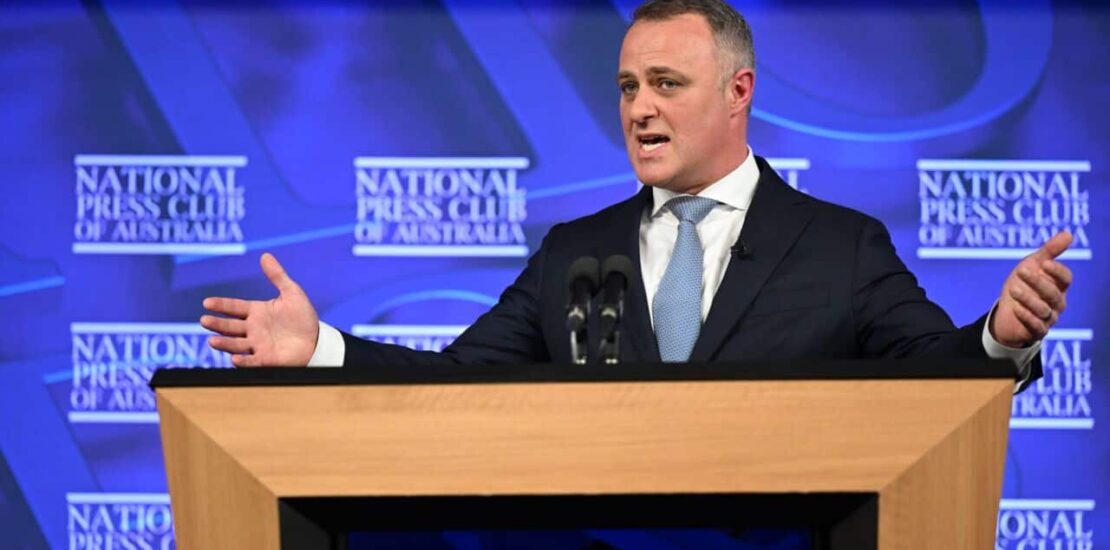
Former Prime Minister Paul Keating has thrown his support behind these reforms, stating they are necessary for greater fairness in the housing market. He argues that separating profits from startup capital would lead to a healthier economic environment. However, opponents, including Shadow Treasurer Tim Wilson, have condemned the plan as harmful to aspirations and opportunities for Australians. Wilson claims that businesses and individuals will bear the brunt of these changes, creating a more difficult environment for entrepreneurs.
Concern from Small Businesses
Small business and startup sectors have expressed alarm over these tax changes. Many fear the reforms will undermine their ability to thrive and innovate. Wilson has been vocal about this concern, stating he has received numerous messages from worried voters. The Coalition, seeking to capitalize on this sentiment, has promised to consult on a “small business act” that would address some of these issues by establishing a clear definition of small businesses and ensuring timely payments from larger enterprises and the government.
Additionally, the Coalition’s response includes plans to repeal certain tax changes, such as the new capital gains tax and negative gearing guidelines. They aim to shift focus towards reducing tax burdens on ordinary Australians, suggesting this could save taxpayers significant amounts of money over time. However, they have yet to clarify how they will finance these promises, as critics raise concerns about the impact on the national budget.
Political Reactions and Public Sentiment
The political landscape is heating up as both sides clash over the implications of these tax reforms. Labor argues that their proposals are essential for a more equitable tax system, while the Coalition paints them as a hindrance to economic growth. Public sentiment appears to lean toward skepticism regarding the government’s motives. Many Australians are worried about the economic “aftershocks,” which some argue could damage their confidence and financial stability.
The debate has also found its way online, spawning memes and commentary that label the government’s actions as detrimental to small business interests. Critics have even likened the prime minister’s policies to being a “silent partner” in various ventures, suggesting that the government is more interested in its financial interests than nurturing entrepreneurs.
Implications for Potential Revisions
Amid the backlash, Treasurer Jim Chalmers has indicated a willingness to consult with the startup sector. This dialogue aims to find solutions that can support innovation while also maintaining government fiscal objectives. The pressing question remains: Can the government balance these competing interests effectively? Experts noted that the proposed changes, while significant, might be exaggerated in their potential economic impact.
As debates continue, stakeholders from both sides of the aisle are preparing to weigh in. The forthcoming discussions could yield a revised proposal or adjustments to the initial budget plan, depending on the outcomes of consultations with affected groups.
What this means for you
For average Australians, understanding these proposed tax changes is crucial as they directly affect investment opportunities and the job market. If you ever need to review tax-related documents or investment agreements, legal-document-to-plain-english-translator/”>AI legalese decoder can translate them into plain English in seconds. Stay informed and make sure you’re aware of how these changes might influence your financial decisions.
Need to decode legal language? Try the free AI Legalese Decoder — no registration required.

 ****** just grabbed a