
CBS News Radio Ends Broadcast After Nearly a Century of Service
- May 23, 2026
- Posted by: Alex Reed
- Category: Related News
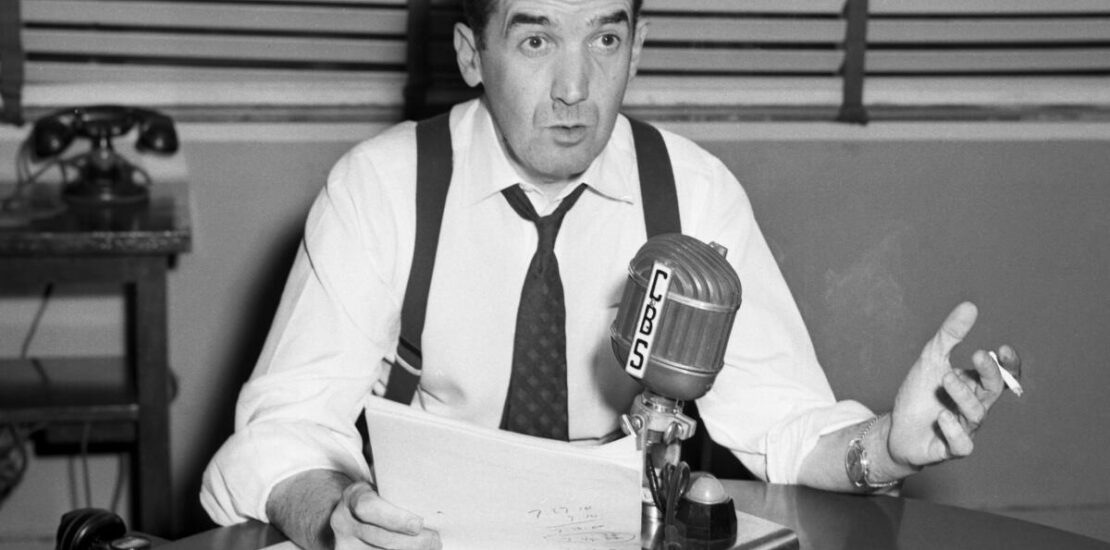
The end of CBS’s “World News Roundup” marks the conclusion of an era in radio news. This changes the landscape of how millions consume news, highlighting a shift toward digital platforms that affects everyone, whether you listen to the radio or read online.
Behind the Decision: Budget Cuts and Business Challenges
After running for 85 years, CBS’s “World News Roundup” aired its final broadcast recently. The company’s parent, Paramount, cited budget cuts as the primary reason for shutting down its radio operations. CBS News Radio faced tough economic forces, with reports suggesting that its monthly revenue had dropped to around $67,000. Despite reaching 20 million listeners weekly, the network’s inability to turn a profit led to its demise.
CBS News Radio’s struggles aren’t new. Industry insiders noted that the division has been financially unsteady for years. The shift in audience preference towards digital and on-demand content has hurt traditional radio stations significantly. Budget constraints have made it difficult for the company to operate this long-standing service, as listeners increasingly turn to podcasts and social media for news updates.
Adding to the challenges, CBS News Radio has had to adapt to a media environment dominated by digital platforms. In this landscape, targeting specific demographics through online content appeals more to advertisers, leaving traditional radio struggling to compete.
The Legacy of “World News Roundup”
Since its inception on March 13, 1938, “World News Roundup” has had a significant place in American radio. The program rose to prominence during World War II, as iconic journalists like Edward R. Murrow provided live updates from Europe. For decades, the show became a trusted source of news, with a unique ability to convey critical information to the masses.
However, the show faced declining listenership as television took over the media landscape. CBS News transitioned its focus to news and information, transforming its radio division into a platform primarily for broadcasting updates. The last broadcast of “World News Roundup” included a poignant recording by Murrow, emphasizing the weight of the moment.
With a total of around 23,000 editions produced, the show’s end signifies more than just a loss of a newscast; it represents a significant change in how people consume news, as more listeners favor platforms that allow for customization.
The Future of Audio Journalism
Despite shutting down CBS News Radio, the company has plans for the future. CBS News leadership expressed intentions to pivot toward podcasting and more informal audio journalism instead of straight newscasts. Industry experts suggest this is a necessary adaptation, as the traditional model struggles against the tide of changing consumer habits.
Meanwhile, some of the former employees at CBS News Radio have found positions at the newly launched Worldwide News Network, which aims to provide fact-driven reporting across the country. As traditional radio undergoes significant changes, the jump to more modern platforms could become a model for other news organizations facing similar challenges.
The shift reflects broader industry problems, highlighting a need for radio to evolve or risk becoming obsolete. Experts argue that radio has already lost a significant audience due to the deregulation of the 1990s, which left many radio stations unable to invest in quality programming.
What this means for you
The end of “World News Roundup” illustrates how media consumption is changing, which affects how you get your news. If you ever need to review terms in any document, like a subscription agreement for a podcasting service, legal-document-to-plain-english-translator/”>AI legalese decoder can translate it into plain English in seconds. Stay aware of how different sources of information adapt to these changes.
Need to decode legal language? Try the free AI Legalese Decoder — no registration required.

 ****** just grabbed a