
Campaign Finance Ruling May Strengthen Donor-Candidate Connections
- July 5, 2026
- Posted by: Alex Reed
- Category: Related News
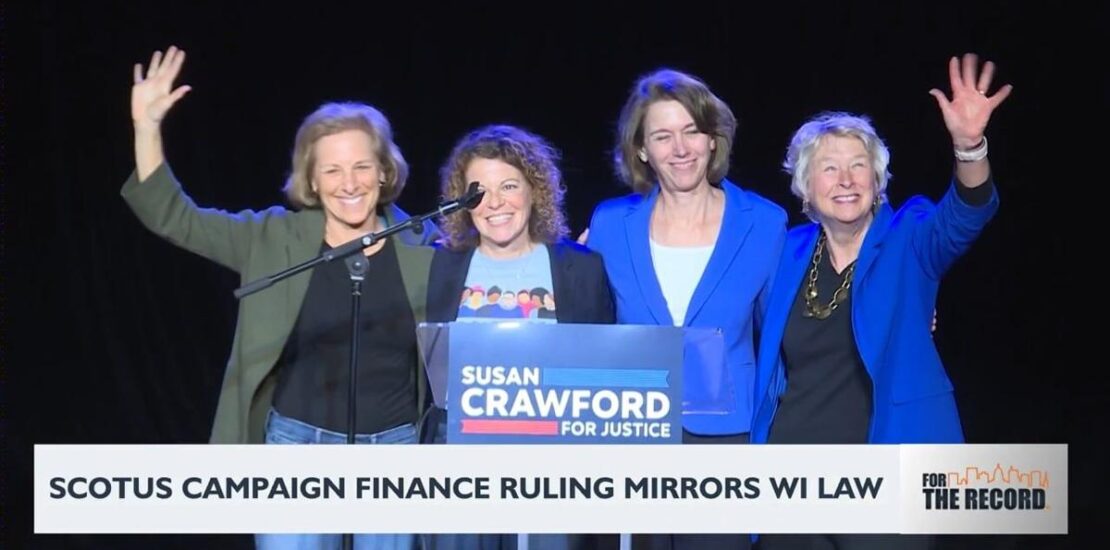
The recent U.S. Supreme Court decision has enormous implications for how political campaigns will operate in the future. Simply put, it allows for unlimited spending by political parties, which could change the landscape of elections in ways that affect everyone.
Supreme Court Ruling Explained
The U.S. Supreme Court has made a significant ruling regarding campaign finance. It struck down limitations on how much national political parties can spend in coordination with candidates. This decision opens the door for political parties to spend as much money as they wish when supporting their chosen candidates.
Wisconsin has been at the forefront of campaign finance changes since 2015, when state political parties were also allowed to raise and spend unlimited amounts. This trend could lead to stronger connections between wealthy donors, political parties, and political candidates. Professor Howard Schweber from the University of Wisconsin-Madison notes that this shift allows affluent contributors to exert a more direct influence on election outcomes.
In simple terms, the more money that flows into campaigns, the more power these wealthy donors can have over decisions that affect everyday citizens.
The Effect on Elections
With the Supreme Court’s decision, campaign spending can skyrocket. For instance, Wisconsin is known for record-breaking campaign expenditures. The upcoming 2025 state Supreme Court race has already shattered records for spending in judicial races, making it the most expensive judicial election in both state and national history.
Professor Schweber raises an important point: without spending limits, the influence of money in politics is likely to grow, possibly undermining the fairness of elections. For voters, this means that those without deep pockets may find their voices eclipsed by those who can spend significant sums of money promoting their preferred candidates.
Election spending has often sparked debates about democracy and representation. The latest ruling may further polarize opinions on how money should fit into the political landscape.
Potential Consequences
The decision may have broader implications beyond just campaign spending. As political money continues to flow unabated, there may be less accountability for candidates regarding their actions and positions. Wealthy donors could gain an outsized influence on legislative decisions, which could result in policies that favor special interests rather than the general public.
Supporters of the ruling might argue that allowing unlimited spending enhances free speech in elections. However, critics worry this could create a system where only the wealthiest voices are heard, diminishing the power of the average voter.
With more resources at their disposal, political parties could increase the intensity of negative advertising and exploitative campaigning, leading to an even more divisive electoral environment.
What This Means for You
As a voter, it’s essential to stay informed about campaign finance and how it shapes the political landscape. The rise in spending could affect the candidates you see and the issues prioritized during elections. If you ever need to review documents related to election campaigns, like political advertising contracts, legal-document-to-plain-english-translator/”>AI legalese decoder can translate it into plain English in seconds.
By understanding the implications of these changes, you can be better prepared to make informed decisions at the polls.
Need to decode legal language? Try the free AI Legalese Decoder — no registration required.

 ****** just grabbed a