
Camber-Amarox Funds $50 Million Morelos Plant for Future Growth
- June 22, 2026
- Posted by: Alex Reed
- Category: Related News
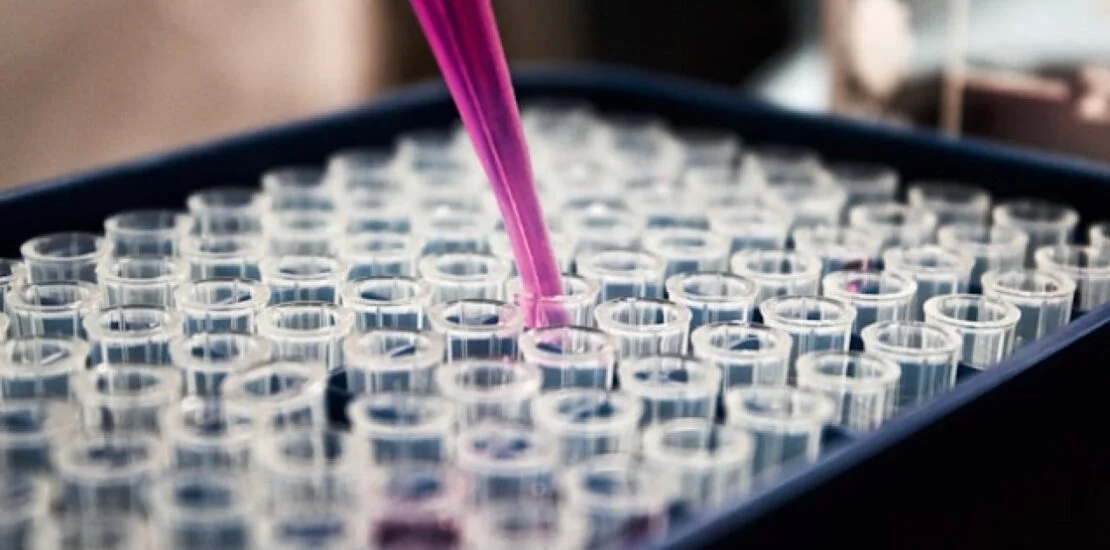
New jobs and improved healthcare options are coming to Mexico thanks to a new pharmaceutical plant. This facility aims to produce critical medicines that could make a difference in people’s lives, especially for those suffering from chronic health issues.
Camber-Amarox Launches Operations in Mexico
Camber-Amarox, a subsidiary of the Indian company Hetero Labs, has opened its new pharmaceutical manufacturing facility in the Ciudad Industrial del Valle de Cuernavaca (CIVAC), located in Jiutepec, Morelos. With an investment of $50 million, the plant will produce medicines for serious conditions like HIV, diabetes, cancer, and heart diseases. This investment was increased from an earlier estimate of $40 million as the project progressed.
The location boasts a significant history; it was once the site of Nissan’s manufacturing operations, which closed in early 2026. Local officials believe that this new plant will generate up to 300 direct jobs and over 1,000 indirect jobs in the area. This is a crucial step toward improving the local economy and healthcare access.
The Shift from Automotive to Pharmaceuticals
CIVAC has long been a central hub for automotive manufacturing. The recent closure of Nissan left substantial gaps in local industry. However, the opening of the Camber-Amarox plant signifies a shift toward repurposing existing industrial spaces for new, high-value sectors, such as pharmaceuticals.
This transition is particularly relevant amid rising healthcare needs. The move aims to strengthen Mexico’s production of essential medicines and reduce reliance on imported drugs. By utilizing existing facilities and skilled labor, Mexico is aiming to optimize its industrial base, focusing on biotechnology and healthcare.
Impacts on Mexican Healthcare and Economy
The establishment of this pharmaceutical plant aligns with Mexico’s broader strategy to enhance its healthcare system. By increasing local production of essential medications, the country hopes to alleviate pressure on public health systems, especially as demand grows for chronic disease treatments and oncology medications.
Leveraging existing infrastructure means that Mexico can enhance its pharmaceutical capabilities without the need for entirely new industrial zones. This creates a more sustainable and resilient supply chain, crucial for a country looking to become a regional manufacturing center for essential medicines.
If the success of Camber-Amarox inspires similar initiatives in other industrial corridors, it could lead to a more balanced economic ecosystem. This would enable Mexico to shift from being primarily a consumer of drugs to a significant producer, boosting both accessibility and affordability of medicines.
What this means for you
The debut of this plant could lead to better healthcare access for many people in Mexico. It also highlights the importance of understanding agreements related to pharmaceutical products and medical services. If you ever need to review a medical consent document, legal-document-to-plain-english-translator/”>AI legalese decoder can translate it into plain English in seconds. This facility is not just an industrial development; it represents a crucial step towards a healthier future for the community.
Need to decode legal language? Try the free AI Legalese Decoder — no registration required.
Source: https://mexicobusiness.news/health/news/camber-amarox-invests-us50-million-plant-morelos

 ****** just grabbed a