
California Mobile Home Residents Struggle with Rising Rents and Evictions
- April 23, 2026
- Posted by: Alex Reed
- Category: Related News
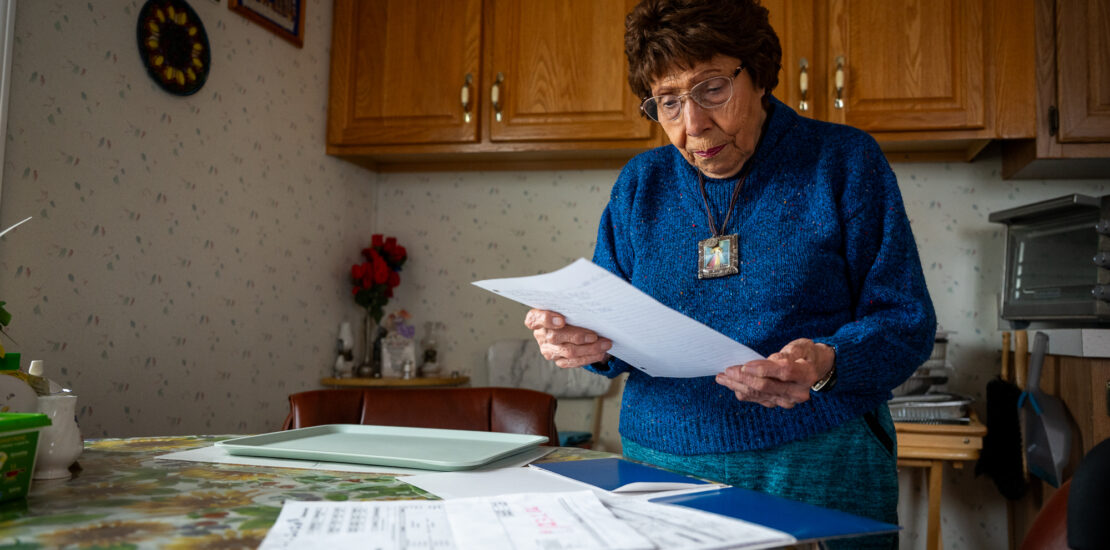
Climbing rents can be a nightmare for anyone trying to make ends meet. When these costs rise unexpectedly, it often leaves families struggling to balance their budgets, particularly among the elderly and low-income tenants. The recent situation at Willow Mobile Home Park in San Pablo, California, shows how powerful housing management companies can impact residents’ lives.
A Frightening Rent Hike
Clara Faria, a resident of Willow Mobile Home Park, recently faced a rent increase that raised her payment from $995 to $1,095. Apprehensive about her financial future, Faria reached out to Harmony Communities, the company managing her park. Instead of clear guidance, she was met with threats of eviction if she didn’t pay the new rent. “Those people are completely bleeding us,” she expressed, highlighting the fear and helplessness felt by many residents amid confusing and mixed messaging from the management.
Madeline Bankson, a housing researcher, pointed out that the company’s structure—managed by various limited liability companies (LLCs)—is part of a wider trend in the real estate industry. This system can obscure ownership and limit accountability, making it difficult for residents to challenge unfair practices. Many mobile home parks, like those operated by Harmony, are owned through LLCs, often managed by family members and company employees, adding layers of complexity to their governance.
Harmony Communities’ Business Model
Founded in 2004, Harmony Communities has accumulated a significant portfolio, worth nearly $700 million. CEO Matthew Davies claims the company aims to enhance communities while maintaining affordable living options. However, this claim stands in stark contrast to the rising rents and reports of how they manage tenant relations. Documents show that many mobile home parks are owned by various LLCs, creating confusion for the residents when it comes to who they can directly negotiate with.
At Willow Mobile Home Park, management has been tied to actions that many residents argue prioritize profit over people. For instance, despite the pressures residents face, Harmony insists that its rent increases are justified by market conditions, a point that leaves many feeling powerless and ignored.
The Push for Change
Amid their struggles, Faria and her neighbors began to rally for action. Linda Jackson, another resident, organized a meeting to discuss the rent hikes. What started as a call for a few supporters quickly turned into a movement as dozens of residents voiced their concerns. This grassroots action culminated in public comment sessions at city council meetings, where they pushed for better regulations on rent increases.
The council agreed to implement a Mobile Home Assistance Program, offering $1,000 grants to help residents manage the sudden rent hikes. However, many felt this relief was temporary and insufficient, with some likening it to a “Band-Aid” solution for a severe issue.
Lack of Protections and Future Implications
Unlike apartment dwellers, mobile home park residents often face a confusing patchwork of local laws governing their rights and protections. Some communities have strict limits on how much rents can rise, but many areas lack any cap at all. Tyler Pullen from UC Berkeley notes that the current situation has highlighted the urgent need for stronger protections for mobile home residents who often find themselves in precarious financial situations.
As discussions around housing policy continue, the plight of residents like Faria serves as a crucial reminder of the vulnerabilities faced by those living in mobile home parks. The ongoing struggles in places like Willow underscore a broader systemic issue, raising questions about affordability, fairness, and the extent of tenant protections in California.
What this means for you
For those living in rental properties, understanding the lease agreement you signed is crucial, particularly in light of rising costs. If you ever need to review a lease agreement, legal-document-to-plain-english-translator/”>AI legalese decoder can translate it into plain English in seconds. Stay informed about your rights as a tenant, and don’t hesitate to advocate for fair treatment in the housing market.
Need to decode legal language? Try the free AI Legalese Decoder — no registration required.

 ****** just grabbed a