
Businesses Anticipate Weaker Performance in Second Quarter of 2026
- May 26, 2026
- Posted by: Alex Reed
- Category: Related News
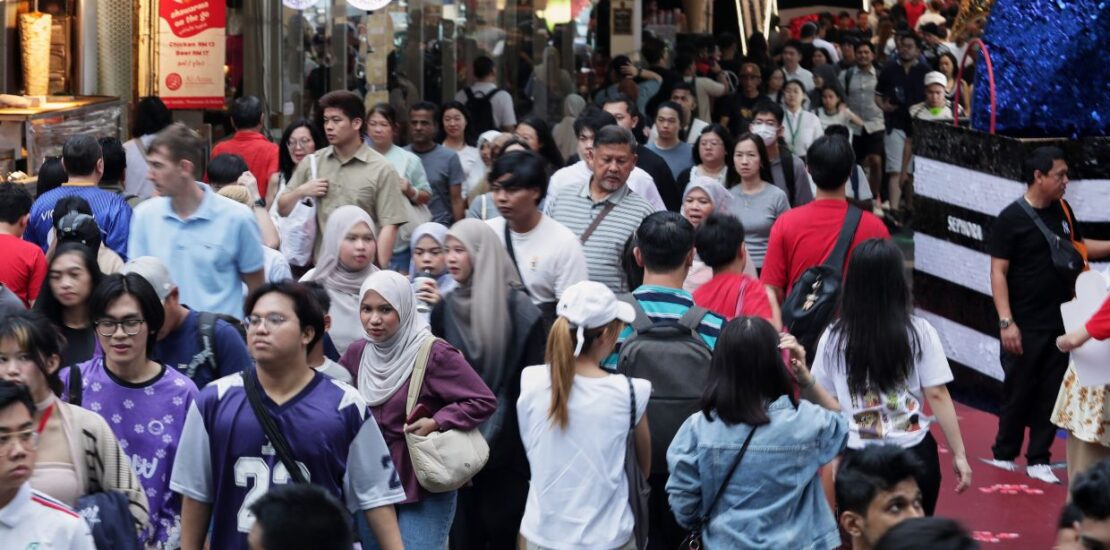
Businesses in Malaysia are feeling cautious about the months ahead. A recent report shows a significant drop in confidence, which could impact everything from job security to pricing for everyday goods.
Business Confidence Takes a Hit
According to the Statistics Department of Malaysia (DoSM), the business confidence indicator for the second quarter of 2026 has fallen to negative 1.8 percent. This is down from a positive 4 percent in the previous quarter. Chief Statistician Datuk Seri Dr. Mohd Uzir Mahidin expressed that sectors like construction, wholesale, retail trade, and industry are expecting less favorable results. Businesses face a tough environment, influenced by both local challenges and global uncertainties.
The construction sector is particularly affected, with confidence plummeting to negative 9.5 percent from a modest 1.4 percent in the previous quarter. On the other hand, while the wholesale and retail trade sector also dropped to negative 7.5 percent, the services sector remains optimistic, buoyed by government support measures aimed at bolstering consumer purchasing power. As Dr. Mohd Uzir shared, the services sector still maintains a positive outlook with a confidence indicator of 6.2 percent, although this is slightly lower than the previous quarter’s 6.6 percent.
Mixed Signals Across Regions
Economic conditions vary considerably from state to state. For instance, Johor and Kedah reported confidence indicators of 1.2 percent and 3.2 percent, respectively. In contrast, some states like Melaka and Pahang are significantly worse off, recording indicators of negative 9.1 percent and negative 7.1 percent. These differences suggest that while some areas are brimming with optimism, others are grappling with serious challenges.
Overall, the mixed expectations are not just a reflection of the business landscape but also indicate varying economic prospects throughout the country. This may be crucial for individuals who rely on their local economies for job opportunities and financial stability.
Job Market Forecasts and Revenue Expectations
The DoSM report indicates that while some businesses are optimistic about the second quarter, the general sentiment suggests a slowdown. About 33 percent of surveyed businesses expect gross revenue to rise, while 43 percent anticipate it will stay the same. Sadly, 24 percent predict a decline, resulting in a net balance of just 9 percent for projected earnings in the coming quarter.
In terms of the job market, 14.7 percent of businesses expect to increase their workforce, while a significant 75.8 percent plan to maintain their current number of employees. However, 9.5 percent foresee job cuts, contributing to a net balance of only 5.3 percent for employment expectations in the second quarter of 2026. This reflects a landscape where job security remains a significant concern for many.
What This Means for You
The dip in business confidence can influence prices of goods, job security, and overall economic stability, affecting people’s lives directly. If you ever need to review a contract, such as an employment agreement or a service contract, legal-document-to-plain-english-translator/”>AI legalese decoder can help translate it into plain English in seconds. Stay informed to navigate this changing economic landscape wisely.
Need to decode legal language? Try the free AI Legalese Decoder — no registration required.

 ****** just grabbed a