
Brown Lakes Shift Fish Populations: Pike and Walleye Surge Ahead
- June 21, 2026
- Posted by: Alex Reed
- Category: Related News
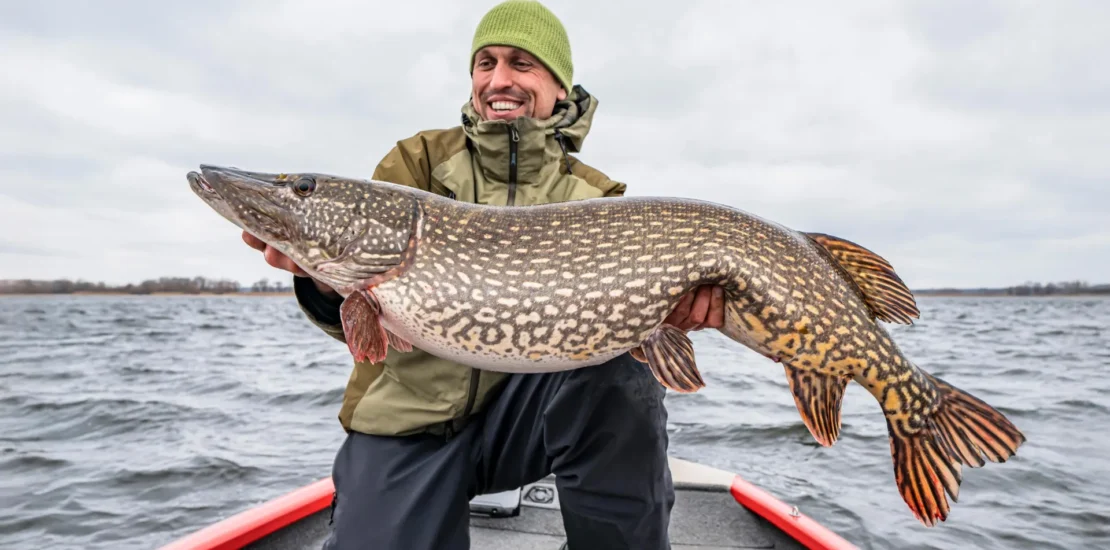
The lakes and streams you enjoy may not be what they once were. Changes in water quality could affect the types of fish you catch and even how they behave.
Understanding Freshwater Browning
Freshwater browning refers to the darkening of lakes and rivers. This phenomenon occurs due to various reasons mainly caused by climate change. Higher temperatures and more rain can transport carbon compounds from the soil into our waterways. Additionally, fewer acidic emissions, due to regulations, change the chemistry of the soil, further increasing carbon flow. This extra carbon makes water look brown, similar to how tea leaves stain water.
The impacts of browning are significant. As these water bodies grow darker, they not only change visually but also chemically, leading to challenges for aquatic life. The murkiness of the water interrupts light penetration, affecting how fish interact with their environment and each other.
The Effects on Fish Populations
Research has shown that browner waters can impact fish growth rates. Specifically, fish in these dark waters tend to grow more slowly. This slower growth can lead to fewer fish in populations, meaning some fish species, like lake trout and bass, may decline in numbers. However, not all species are affected the same way.
A recent study looked at fish communities in 303 Canadian lakes and found that fish with larger eyes were more likely to thrive in browner waters. While species like brook trout were unaffected, the populations of lake whitefish and yellow perch saw declines. In contrast, species like northern pike and walleye are faring better, likely because they have adaptations that help them navigate murky waters.
Adjusting to Changes While Fishing
If you’re an angler, these shifts present both challenges and opportunities. Fishing in browner lakes may require new strategies. Instead of colorful lures that depend on visual attraction, consider using lures that create vibrations or scents. These methods cater to how fish perceive their environment in darker conditions.
Being aware of these changes helps both scientists and fishermen understand what to expect in their local waters. This knowledge can guide fishing methods and improve your success on the lake. The evolving aquatic environment reminds us that nature is always changing.
What this means for you
Understanding the impact of freshwater browning is essential for anyone who enjoys fishing or spending time in nature. Changes in fish populations may influence your catch. If you ever need to review fishing licenses or permits, legal-document-to-plain-english-translator/”>AI legalese decoder can translate it into plain English in seconds.
Need to decode legal language? Try the free AI Legalese Decoder — no registration required.
Source: https://www.sciencedaily.com/releases/2026/06/260621060322.htm

 ****** just grabbed a