
Binance Founder CZ Advocates for Freezing Satoshi’s BTC If Unused
- June 20, 2026
- Posted by: Alex Reed
- Category: Related News
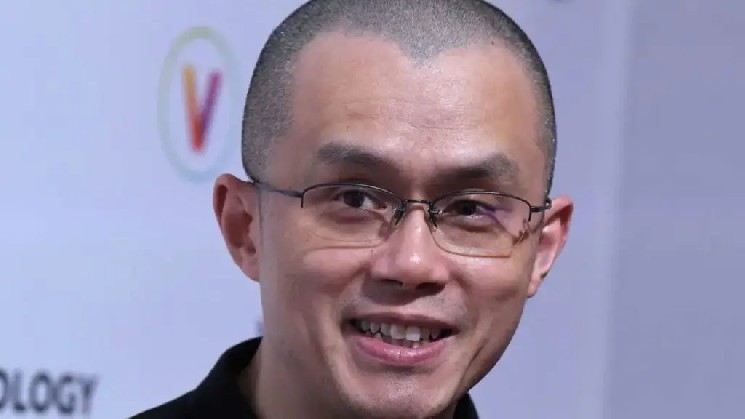
Binance founder Changpeng Zhao, known as CZ, recently made some important remarks about Bitcoin and its future. His insights touch on how Bitcoin can stand resilient against quantum computing threats and what should happen to the Bitcoin tied to its mysterious creator, Satoshi Nakamoto. As cryptocurrencies play an increasingly significant role in finances, understanding these topics could impact how you manage your own investments.
The Quantum Threat to Bitcoin
On a recent episode of the Galaxy Brains podcast, hosted by Alex Thorn, CZ addressed the heightened worries regarding quantum computing and its potential to undermine Bitcoin’s security. He reassured listeners that the Bitcoin community is not powerless against this technological advancement. According to CZ, quantum-resistant encryption algorithms are already available and can safeguard Bitcoin against future quantum threats.
However, this defense hinges on whether the Bitcoin community can agree and transition smoothly to these new security protocols. The challenge lies in getting everyone on board with adapting to advancements in technology. This coordinated effort is crucial to ensure that Bitcoin remains a secure digital asset, protected from future vulnerabilities.
The Future of Satoshi’s Bitcoin
CZ also weighed in on what should happen to the estimated one million Bitcoins associated with Satoshi Nakamoto, most of which have been untouched for years. He cautioned against inaction, noting that if Bitcoin were to switch to a quantum-resistant system, those who own these dormant Bitcoins should be given 6 to 12 months to move them to the new system.
Should these addresses remain inactive during that time, CZ proposed freezing the associated Bitcoins under the new protocol. This decision would result in around one million Bitcoins being taken out of circulation, potentially preventing them from falling into the hands of opportunists who might crack the security using quantum computing in the future. CZ believes that allowing such scenarios to happen would lead to unfair distribution.
Community Decisions and Technological Growth
Interestingly, CZ emphasized that any final decision regarding Satoshi’s Bitcoin should not come solely from him but should instead involve the Bitcoin community at large. He suggested that the community could utilize voting mechanisms to decide how to proceed on this critical issue.
Moving beyond Bitcoin, CZ also discussed the potential advancements in the crypto sector, particularly with the Binance Smart Chain. He indicated that this platform will become faster and cheaper while incorporating better privacy controls. He encourages blockchain developers to implement significant updates during bear markets when the pressure is lower, allowing for smoother rollouts.
Additionally, CZ touched upon the rise of real-world assets (RWAs) within the crypto landscape. Initially skeptical about this market, he has been impressed by its rapid growth over the past year. CWAs like oil futures and stablecoins are increasingly being welcomed into the crypto community, illustrating a broader demand for various financial assets.
What this means for you
So, what can you take away from this discussion? Understanding the potential risks posed by quantum computing to digital assets is essential for investors. If you ever need to review cryptocurrency agreements or participation documents, legal-document-to-plain-english-translator/”>AI legalese decoder can translate them into plain English in seconds.
Additionally, being aware of community-determined protocols can encourage more informed decisions about digital investments. Keeping up with these developments may safeguard your financial interests in an ever-evolving technological landscape.
Need to decode legal language? Try the free AI Legalese Decoder — no registration required.

 ****** just grabbed a