
Bears Chase and Bite Visitors, Leading to Park Closures
- April 21, 2026
- Posted by: Alex Reed
- Category: Related News
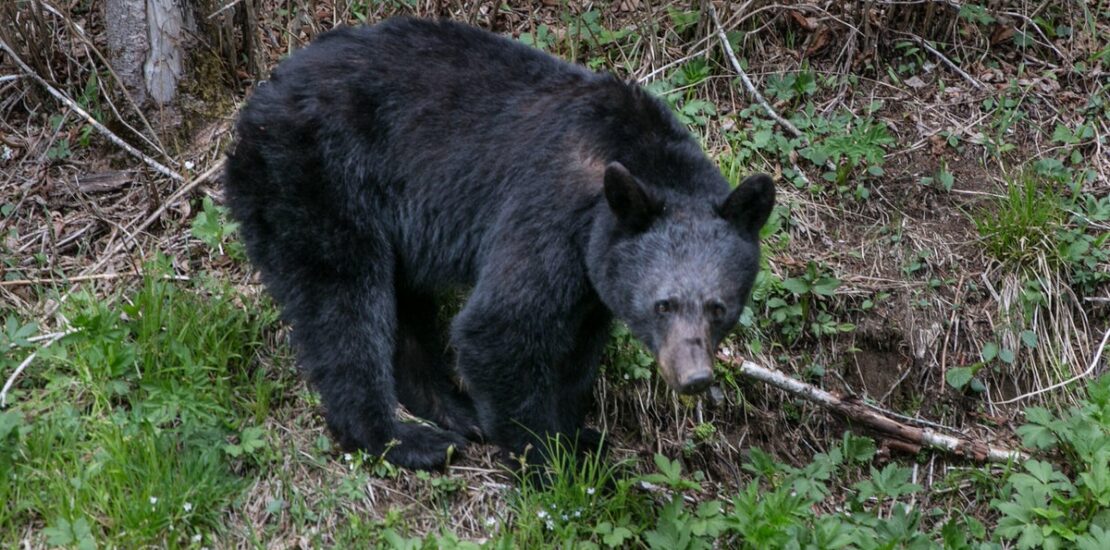
Parts of the Great Smoky Mountains National Park are currently off-limits due to alarming encounters with aggressive bears. This situation highlights not just the importance of wildlife safety, but also how human actions can lead to dangerous situations for both people and animals.
Recent Bear Incidents in Popular Hiking Areas
The National Park Service reported several incidents over the weekend, notably along two popular hiking trails: Ramsey Cascades and Abrams Falls. During these encounters, visitors faced aggressive behavior from bears. On Ramsey Cascades Trail, for example, two bears approached hikers and grabbed backpacks when people were distracted. In a more intense situation, a bear chased a group of visitors. As a result, both the trail and the access road to the area have been closed as rangers monitor bear activity.
A similar situation unfolded near Abrams Falls, where a visitor was bitten after entering a closed area due to bear activity. While the trail and road were temporarily closed, they reopened once the bear activity died down, highlighting the constant tension between nature and recreation in heavily-trafficked areas.
Understanding Bear Behavior and Human Interaction
The Great Smoky Mountains National Park is home to about 1,900 black bears, making it the most-visited national park in the United States, according to park officials. The increasing number of visitors, paired with a thriving bear population, raises the chance of encounters between humans and bears.
Springtime sees a spike in bear activity as mothers emerge from dens with their young cubs, eager for food after months of dormancy. The park service warns that approaching these bears—especially mothers with cubs—can be dangerous. Stress from close encounters can provoke aggressive behaviors, making it vital for hikers to maintain a safe distance and be extra cautious.
Safety Tips for Park Visitors
Park officials urge visitors to take several precautions. First, it’s important to keep food and trash secured; this helps prevent bears from associating human activity with easy meals. If you’re exploring the Great Smoky Mountains, remember to stay vigilant and avoid areas that display signs of recent bear activity.
Last summer, the park service prohibited feeding bears after several tourists were found intentionally doing so. This practice creates a dangerous correlation between humans and bears, increasing the likelihood of harmful encounters.
What This Means for You
Understanding how to interact safely with wildlife in natural settings can enhance your outdoor experiences. Always stay informed about park regulations and bear activity when planning hikes. If you ever need to review liability waivers or guidelines while visiting, legal-document-to-plain-english-translator/”>AI legalese decoder can help you translate them into plain English in seconds.
Need to decode legal language? Try the free AI Legalese Decoder — no registration required.
Source: https://www.cbsnews.com/news/bears-chase-bite-visitors-great-smoky-mountains-national-park/

 ****** just grabbed a