
Bakery Owner Reports Theft of Gas from Delivery Van
- June 4, 2026
- Posted by: Alex Reed
- Category: Related News
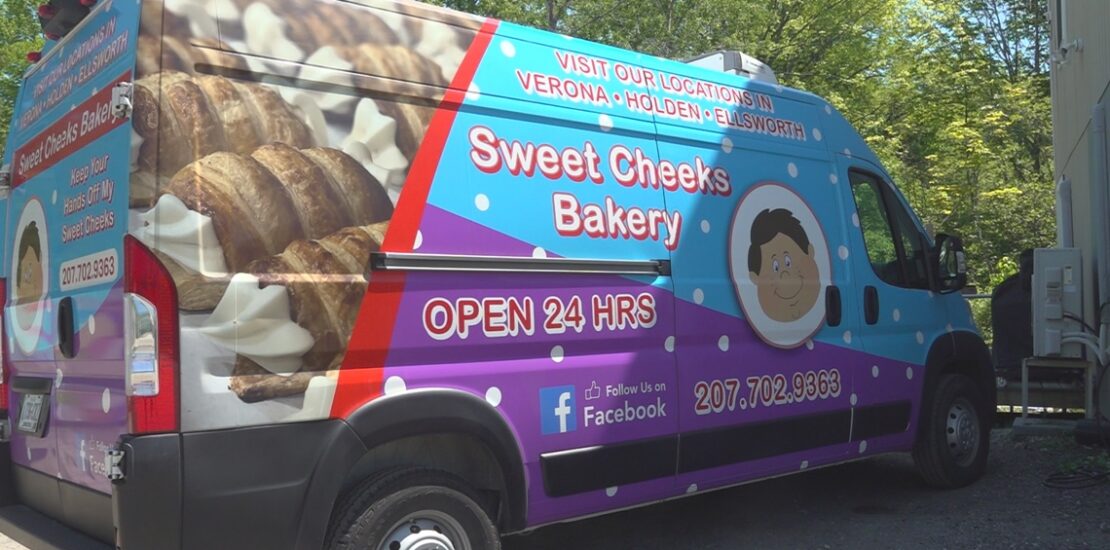
In a world where every penny counts, the theft of fuel from a small business can hurt both its owner and customers. When a delivery vehicle runs low on gas, it not only disrupts service but also raises questions about security and safety.
Fuel Theft Strikes Sweet Cheeks Bakery
Recently, Jonathan Beal, co-owner of Sweet Cheeks Bakery in Verona Island, Maine, faced a surprise when he discovered that someone had siphoned gas from his delivery van. This is a worrying incident for a small business, especially since it had been over five years since they encountered such an issue. Theft, no matter how small, weakens trust and complicates daily operations for any business.
Rick Hambrock, the bakery’s delivery driver, noticed the gas theft first. Upon arriving at work, he found the gas valve open, with barely any fuel left in the van. “I would have never left it like that,” he said. It was a bizarre situation that prompted him to conclude that someone had intentionally stolen the gas. This theft not only impacts the bakery’s ability to deliver fresh goods but also signals a potential lapse in operational security.
Security Cameras Are Not Foolproof
Sweet Cheeks Bakery has equipped all its locations with security cameras to monitor activities. However, in a twist of fate, the camera that should have covered the delivery van was not functioning at the time of the incident. This oversight raises important questions about the effectiveness of security measures. If their security systems had been fully operational, they might have captured the act, possibly leading to the thief’s identification.
The absence of video evidence adds another layer of frustration for Beal and his team. When running a small business, every little detail counts—even the condition of security cameras. It highlights the need for regular maintenance checks to ensure that security systems serve their intended purpose. A malfunctioning camera could make businesses more vulnerable to theft and other security risks.
The Impact on Small Businesses
The theft of gas may seem minor, but it illustrates a greater challenge faced by small businesses today. Such incidents not only squander precious resources but can also lead to increased operational costs. Beal’s bakery relies on timely deliveries to maintain customer satisfaction, and any interruption could hurt their reputation in a competitive market.
Moreover, the psychological impact on owners and employees should not be overlooked. Knowing that their hard work can be undermined by theft creates an atmosphere of unease. For small businesses, every dollar matters, and setbacks can have lasting repercussions. Beal’s experience serves as a cautionary tale: small operations must remain vigilant and adaptable in an ever-changing environment.
What this means for you
The recent theft at Sweet Cheeks Bakery underscores the vulnerabilities that small businesses face, especially regarding security. Keeping track of operational risks should not be taken lightly. If you ever need to review your business’s security agreements or related contracts, legal-document-to-plain-english-translator/”>AI legalese decoder can help decode the fine print quickly.
Through this incident, it’s evident that small businesses must continuously reassess their security measures to prevent financial loss and maintain trust with their customers.
Need to decode legal language? Try the free AI Legalese Decoder — no registration required.

 ****** just grabbed a