
Asian Markets Remain Resilient After US-Iran Deal Announcement
- June 17, 2026
- Posted by: Alex Reed
- Category: Related News
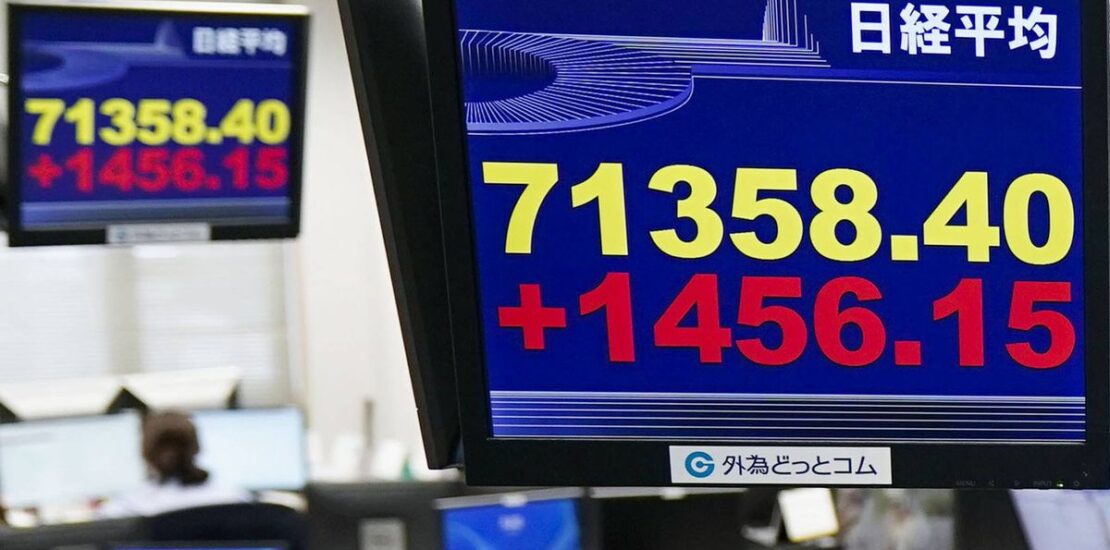
Shares in Asia recently experienced a significant surge, marking an optimistic trend amid new geopolitical developments. This matters to ordinary people because stock market changes often influence job security, retirement savings, and the overall economy.
The Impact of U.S.-Iran Agreement on Global Markets
On Thursday, stock markets in Asia saw notable gains after the U.S. and Iran reached an initial agreement to end hostilities. This deal is a crucial step toward stabilizing a historically volatile region. It initiates a 60-day timeframe for negotiations focused on Iran’s nuclear program and requires the country to reduce its stockpile of highly enriched uranium.
As a part of this agreement, the U.S. has lifted several sanctions against Iran, allowing it to sell oil freely. This is a significant concession from Washington, as unrestricted oil sales from Iran could lead to a more balanced oil market and potentially lower prices globally. The news of this agreement came after U.S. markets had already closed, and it fueled a sense of renewed optimism among investors in Asia.
In Japan, the Nikkei 225 index gained 1.9%, soaring to a record high of 71,233.35. Analysts attribute this rally to both the optimism surrounding the end of hostilities and a burgeoning interest in high-tech stocks, driven by advancements in artificial intelligence.
Record Gains and Shifting Investor Sentiments
South Korea also set records, with its stock market rising 0.6% to reach 8,917.31. Meanwhile, Taiwan’s market followed suit, climbing 1%. The overall atmosphere in these markets suggests newfound confidence in economic recovery triggered by these geopolitical events.
In contrast, Hong Kong’s Hang Seng index fell by 1.4%, while the Shanghai Composite index showed minimal movement with a slight increase of 0.1%. Australia’s S&P/ASX 200 also dipped by 0.4%. This divergence illustrates how reactions to global news can vary significantly from one region to another, reflecting local economic conditions and investor sentiments.
As news of these developments spread, it contributed to higher U.S. futures. However, Wall Street faced a challenging day on Wednesday, as the S&P 500 dropped by 1.2%. The Federal Reserve’s recent projections, indicating a potential interest rate hike, had left investors uneasy, hinting at an uncertain economic future.
The Economic Implications of Rising Interest Rates
Higher interest rates can slow down inflation, but they may also negatively affect investments and economic growth. Investors may recall that the Fed had previously been expected to lower rates, making this shift particularly significant. The recent remarks from Kevin Warsh, the new head of the Federal Reserve, did little to assuage concerns as he refrained from giving future rate projections and opted to change how the Fed communicates with the public.
On Wall Street, major companies felt the heat of these market fluctuations. Stocks like SpaceX, Microsoft, Amazon, and Nvidia saw substantial losses in the wake of these troubling forecasts. The shifting economic landscape underscores how sensitive markets can be to changes in monetary policy, particularly amid global geopolitical events.
Retail sales saw improvement in May, slightly brightening the economic outlook. Despite this, continued inflation may hinder consumer confidence. Many shoppers remain cautious about their finances, emphasizing the need for economic stability.
Oil Prices and Geopolitical Influences
The uncertainty around oil prices added another layer to the volatility in the markets. As news of the U.S.-Iran agreement broke, oil prices started to show signs of stabilization. Early Thursday, Brent crude oil prices fell by 1.6% to $78.31 per barrel, though this price remains higher than pre-war levels. Similarly, U.S. benchmark crude dropped by 1.7% to $74.75 per barrel.
The reopening of the Strait of Hormuz by Iran is a critical factor that could influence oil supply. This strategic waterway is vital for global oil transport, and its stability can ease inflationary pressures affecting consumers and businesses alike.
What this means for you
If you’re keeping an eye on the economy and how these changes may affect your financial future, it’s essential to be informed. Fluctuations in the stock market can influence job security and spending capabilities. If you ever need to review terms of agreements related to your finances, legal-document-to-plain-english-translator/”>AI legalese decoder can help translate it into plain English in seconds. Stay tuned to how these global dynamics may directly impact your everyday life.
Need to decode legal language? Try the free AI Legalese Decoder — no registration required.

 ****** just grabbed a