
Army Modernization: Testing New Generation Medical Lab Equipment
- July 6, 2026
- Posted by: Alex Reed
- Category: Related News
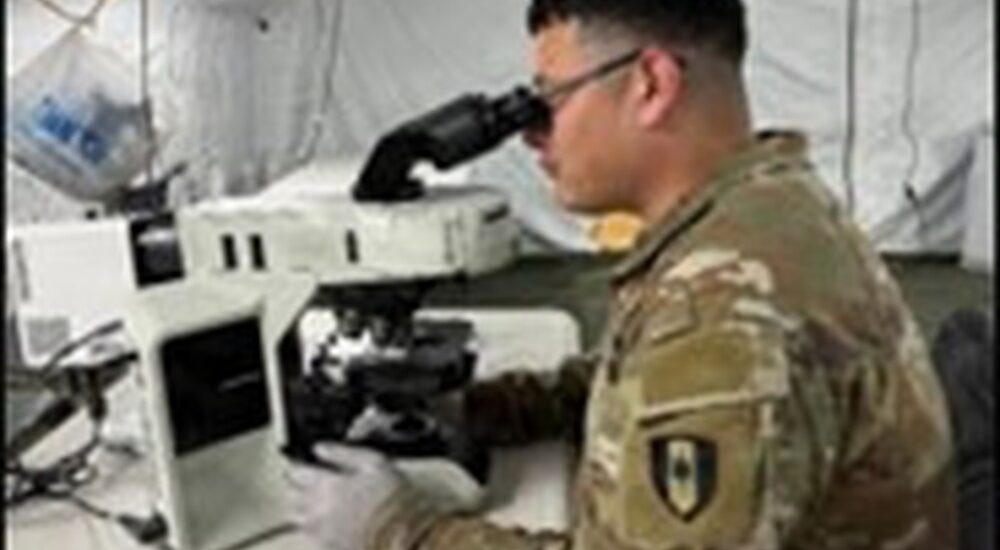
The U.S. Army is taking significant steps to modernize medical care for soldiers in the field. This improvement could impact not only the health of our military personnel but also influence how medical technology is used in civilian life.
Why Modernizing Military Medicine Matters
During a recent testing session, the U.S. Army Medical Test and Evaluation Activity evaluated new laboratory devices designed to enhance medical capabilities on the battlefield. Conducted from January 28-29, 2026, the tests aimed to determine the effectiveness of a binocular optical microscope (BOM), a general-purpose centrifuge (CLGP), and a laboratory mixer (MXL) in real-world conditions. Upgrading medical technology for soldiers is part of a broader effort to ensure their health and readiness.
These devices must pass stringent assessments to ensure they can perform under the various stresses found on a battlefield. The simultaneous testing of multiple devices streamlines the evaluation process and speeds up the deployment of life-saving technology to those who need it most.
The Equipment Being Tested
The variety of medical tools tested reflect the Army’s commitment to equipping soldiers with the best technology available. Here’s a closer look at what was evaluated:
- Binocular Optical Microscope: This advanced microscope offers multiple magnification settings and specialized lighting options. It is versatile and can be used for medical testing, microbiology, pathology, veterinary science, and public health.
- Centrifuge, Laboratory, General Purpose: This device spins blood and fluid samples at different speeds to prepare them for further analysis, a crucial step in diagnosing medical conditions quickly.
- Mixer, Laboratory: Using a gentle rocking motion, this mixer ensures that laboratory samples remain uniformly mixed, which is vital for accurate testing results.
These tools represent critical upgrades that could potentially improve patient outcomes for both military and civilian settings.
The Testing Process
To ensure that the devices meet real-world demands, a diverse group of 16 soldiers and officers from various ranks participated in the testing. Their backgrounds include a mix of technical and tactical roles, which helped assess the equipment’s performance from multiple perspectives. This hands-on approach guarantees that the selected devices can meet the high standards required for both military and multiservice operations.
The benefit of this methodology allows for a comprehensive understanding of how these devices function in both powered and generator-run environments, mimicking the conditions they would face in the field. Once testing concludes, the findings will be compiled into an operational test report, which will play a crucial role in deciding whether to adopt these new medical tools.
Future Steps and Implications
The results of these tests will be vital for the U.S. Army’s future procurement decisions. The operational test report will significantly influence whether the Army implements the BOM, CLGP, and MXL for widespread use. This decision is more than just a procurement process; it signifies a crucial step forward in the ongoing modernization efforts of the Army’s medical capabilities.
The U.S. Army Medical Center of Excellence oversees this testing program, making it a unique independent evaluation agency focused on medical and related technologies. This structure ensures that the Army can assess the tools it employs effectively, ensuring they are fit for purpose on the battlefield.
What this means for you
Improving military medical technology can have ripple effects that reach into civilian healthcare, leading to better treatment options for everyone. If you ever need to review medical consent documents, legal-document-to-plain-english-translator/”>AI legalese decoder can translate it into plain English in seconds. This modernization effort demonstrates the importance of investing in effective health tools, not just for soldiers but for society as a whole.
Need to decode legal language? Try the free AI Legalese Decoder — no registration required.

 ****** just grabbed a